

Desert Ambition: UNM Faces Remade Mountain West, Eyes Gridiron Gold Amidst Conference Churn
POLICY WIRE — ALBUQUERQUE, N.M. — Las Vegas, Nevada. A desert oasis, yes, but for college football, it’s increasingly the crucible where new seasons get forged and old hierarchies tested. This week,...

POLICY WIRE — ALBUQUERQUE, N.M. — Las Vegas, Nevada. A desert oasis, yes, but for college football, it’s increasingly the crucible where new seasons get forged and old hierarchies tested. This week, the Mountain West Conference descends upon it for Media Day, not just to talk gridiron tactics, but to grapple with an entirely new competitive landscape—a shift so profound, it’s akin to watching tectonic plates grinding beneath the shimmering Strip.
It’s not often you see five schools pack their bags — and three new ones rush in. And yet, that’s precisely what’s happening here, folks. Five schools are out, — and three new football programs are in: UTEP, Northern Illinois and North Dakota State. This isn’t just about schedule changes; it’s a wholesale realignment, a shake-up that leaves some winners, some losers, and everybody wondering what’s next. Think of it like a reshuffling of regional alliances, where historical allegiances often matter less than fresh market opportunities. [QUOTE_PLACEHOLDER]
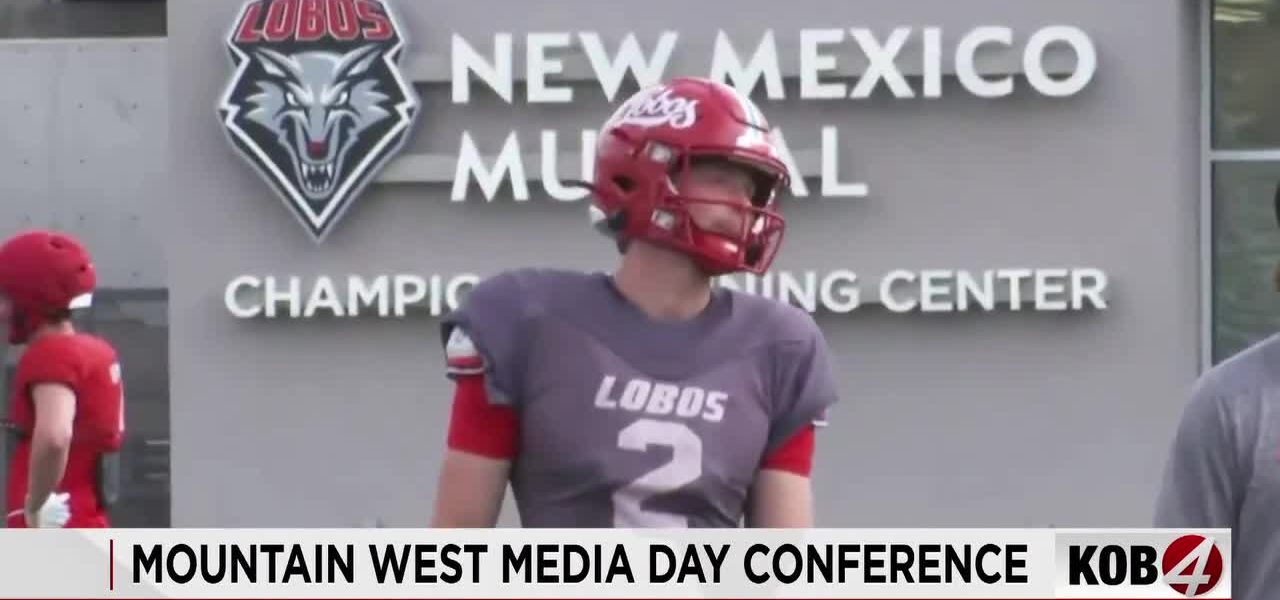
Against this backdrop of dizzying change, the University of New Mexico Lobos stride into Media Day with a noticeable spring in their step. You see, the Lobos aren’t just another team. Last year, New Mexico landed near the bottom of the preseason polls, but the Lobos defied expecations. They did more than defy them—they kicked them squarely in the teeth, finishing tied for first place last season, according to official conference standings. But a season ago, who’d have believed it? No one. That’s the gritty reality of collegiate sports. Now, with a core group of seasoned players back in uniform, the narrative’s flipped.
Coach Eck, representing UNM for the second time at the event, won’t be alone. He’s got some heavy hitters with him: his son, senior linebacker Jackson Eck, senior lineman Malik Alyan, senior quarterback Jack Lane and senior defensive lineman Brian Booker. That’s a powerful veteran contingent right there, one that understands the high-stakes game they’re playing, both on and off the field. Malik Alyan’s presence on this diverse roster is, to my eye, a subtle nod to the globalized nature of sport itself; names like Alyan resonate from the American Southwest straight across to Karachi, Pakistan, reflecting the deep and often unseen cultural currents that shape even the most American of pastimes. Football, after all, isn’t played in a vacuum. It never is.
And those players aren’t just there for a free lunch. Oh no. They’re there to talk. They’re there to address the hype—and the pressure—that comes with an elevated profile. On Wednesday, the conference will announce the preseason All-Mountain West team. That’s a big deal for player recognition, obviously. Then, Mountain West Commissioner Gloria Nevarez will also address the conference Wednesday morning, undoubtedly framing this current transition as not merely a challenge, but as a strategic pivot. A new era, as she’ll likely put it, for the entire league.
📄 POLICY WIRE WHITEPAPER PUBLISHED: PAKISTAN'S NATIONAL SECURITY POLICY PRIORITIES
👉 READ BY CLICKING HEREBecause let’s be honest, sports at this level aren’t merely games. They’re business, regional identity, — and a potent source of civic pride, all wrapped up in shiny uniforms. The Lobos are not only heading to face reporters, they’re set to play two of the new additions—UTEP and North Dakota State—later this year. It’s an immediate test of these new allegiances, this reshaped geography of college football. And you know what? That’s what makes it so fascinating to watch. We’re witnessing the future unfold, one roster change — and one conference shift at a time. It’s got all the drama of a tightly fought political campaign, only with more padding.
What This Means
The restructuring within the Mountain West Conference, while seemingly contained to college athletics, echoes broader economic and geopolitical realignments playing out across the globe. When five institutions depart and three new ones enter, it’s not just about football; it’s about shifting markets, viewer demographics, and the pursuit of perceived competitive advantage and increased revenue. Each university represents a localized economic engine, attracting students, fans, — and external investment. Their move in or out of a conference directly impacts local economies, sometimes profoundly. The implications for smaller programs trying to make their mark—like the UNM Lobos were just last season—are substantial, mirroring the way emerging economies might find themselves suddenly elevated or marginalized by the actions of larger players.
This dynamic—where perceived strength or a sudden upset can quickly alter fortunes—is a fundamental lesson in resilience and adaptation, whether you’re a college athletic program or a developing nation like Pakistan facing shifting global trade winds. Just as the Mountain West seeks to optimize its viewership and financial stability, so too do regional blocs and nations constantly recalibrate their strategies in a volatile world. For Albuquerque, a successful UNM team injects not just pride but tangible economic activity—fan travel, merchandise sales, media exposure—providing a welcome boost that few municipal investments can match for public enthusiasm. The Lobos’ ascent last season isn’t just a feel-good story; it’s an economic indicator, a signal of renewed vitality that, in its own small way, resonates beyond the end zone. The underlying currents of expansion and contraction, of underdog stories capturing national attention, they aren’t confined to sports—they’re how the world operates, everywhere.