


Beijing’s EV Backslide: More Than Just Batteries, a Glimpse Into Global Economic Tremors
POLICY WIRE — Beijing, China — The quiet hum of electric vehicles, once heralded as the definitive soundtrack to China’s industrial future, is suddenly—or perhaps, inevitably—faltering. While...

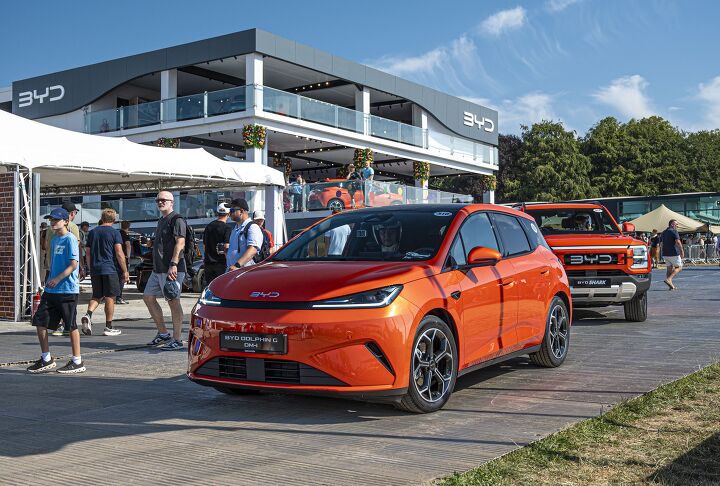
POLICY WIRE — Beijing, China — The quiet hum of electric vehicles, once heralded as the definitive soundtrack to China’s industrial future, is suddenly—or perhaps, inevitably—faltering. While headlines typically trumpet record-breaking production quotas and export ambitions, the unspoken truth flickering through Beijing’s economic ministries paints a more complex picture. We’re not talking about a hiccup; we’re talking about a discernible downshift in a sector considered by many as the jewel in the crown of the nation’s technological prowess.
It’s a peculiar thing, seeing a global leader like China, which has poured unfathomable capital and political will into dominating the EV space, find its gears grinding in reverse. Forget the aggressive pushes into European or American markets for a moment. Domestically, the momentum isn’t just slowing, it’s—well, it’s retracting. January data from the China Association of Automobile Manufacturers (CAAM), for instance, indicated new energy vehicle (NEV) sales fell by a noticeable 38.8% year-on-year. That’s not a rounding error, folks; that’s a chasm, opening right where policymakers hoped to build an empire. Such figures are a sobering antidote to the boosterism that often surrounds this industry. [QUOTE_PLACEHOLDER]
The reasons, as usual, aren’t simple. For one, state subsidies, the very fuel that powered this prodigious growth for years, have largely dried up. It’s like taking the training wheels off a racing bicycle mid-race, isn’t it? Consumers, particularly in the mass market segment, are now grappling with full price tags, and in a softer economy—one battling property sector woes and persistent unemployment—those aspirational purchases look less compelling. Also, the sheer volume of manufacturers has led to something of an internal combustion, creating brutal price wars that crush profit margins faster than you can say ‘overcapacity.’ And they’re happening even before the international tariff skirmishes truly bite. Many domestic brands are finding themselves in a fight to the death just to hold market share on home turf.
But the ramifications stretch far beyond China’s expansive borders, spilling into economies eager to emulate or simply trade with the world’s second-largest economy. Pakistan, for instance, a nation often seeking technological transfer and investment from its powerful neighbor, watches this play out with a keen interest. They’ve made their own moves into local EV assembly, hoping to ride the coattails of Beijing’s supposed EV boom, and reduce their hefty fossil fuel import bill. But if China’s own market contracts, what does that mean for technology sharing agreements, for financing new production lines, or for the availability of affordable, competitive EV components from China? It certainly throws a spanner in the works of an energy transition many in Islamabad had banked on for their future infrastructure projects, tied, as they often are, to China’s expansive Belt and Road Initiative.
And it’s not just about selling cars, either. It’s about batteries. It’s about rare earths. It’s about sophisticated manufacturing techniques. China has become the indispensable linchpin for so many of these supply chains, for virtually the whole world. A significant slowdown there means tremors that reach from lithium mines in Latin America to assembly plants in Germany. Global financial markets aren’t blind to this. They’re trying to figure out if this domestic downturn signals a deeper, structural shift or merely a cyclical correction. Policy Wire recently discussed the complex calculus of international relations, particularly when critical shipping lanes are involved, reminding us how intertwined these global dependencies have become, for example, in the Strait of Hormuz Bloodshed: Delhi Raises Stakes After Indian Seafarer’s Death.
Because frankly, everyone assumed China’s EV march was an unstoppable force. It’s proved to be very much stoppable. The government, keen on projecting strength — and innovation, faces a genuine quandary. Does it re-introduce stimulus? Does it let the market consolidate, likely leading to failures of smaller players — and potential job losses? Either path carries significant economic and social risks.
📄 POLICY WIRE WHITEPAPER PUBLISHED: PAKISTAN'S NATIONAL SECURITY POLICY PRIORITIES
👉 READ BY CLICKING HEREWhat This Means
This retrenchment in China’s electric vehicle market isn’t just an automotive sector story; it’s a bellwether for the country’s broader economic trajectory and, by extension, global trade dynamics. Politically, Beijing’s leadership confronts a narrative challenge: how to maintain a facade of seamless technological progress when a flagship industry is sputtering. Economically, expect ripple effects, particularly for countries that have tied their industrial aspirations to China’s ascendancy. Nations in South Asia, including Pakistan, which have invested heavily in partnerships with Chinese companies for EV development and infrastructure, will likely need to recalibrate their expectations.
They’re confronting a dual threat: potentially less generous technology transfer or investment from a strained China, and the increased competition from Chinese EV makers now desperate to export their overstock, often at aggressive price points. It could stall local industry growth in developing nations, making it tougher for indigenous manufacturers to gain a foothold. This isn’t just about car sales; it’s about the perceived stability — and economic magnetism of the entire Chinese model. The world watches, keen to see if this is just a speed bump or a sign of deeper trouble for the globe’s manufacturing behemoth. It’s a real test of resilience, both for the industry — and for the grand ambitions of China’s leadership.