


Derby’s Dazzling Delusion: Beneath the Mint Juleps, a Global Capital Cavalry Charges at Churchill Downs
POLICY WIRE — Louisville, Kentucky — It’s not the thundering hooves, nor the kaleidoscopic hats, that truly define the Kentucky Derby anymore. At its core, the annual spectacle, often dubbed...

POLICY WIRE — Louisville, Kentucky — It’s not the thundering hooves, nor the kaleidoscopic hats, that truly define the Kentucky Derby anymore. At its core, the annual spectacle, often dubbed ‘the greatest two minutes in sports,’ is a meticulously orchestrated exercise in global capital, a lightning-fast showcase for billions in investment and gambling revenue. As the 152nd Run for the Roses approaches, with post positions now settled, the real race unfurls long before the gates crash open: it’s a clandestine contest of finance, breeding, and international prestige.
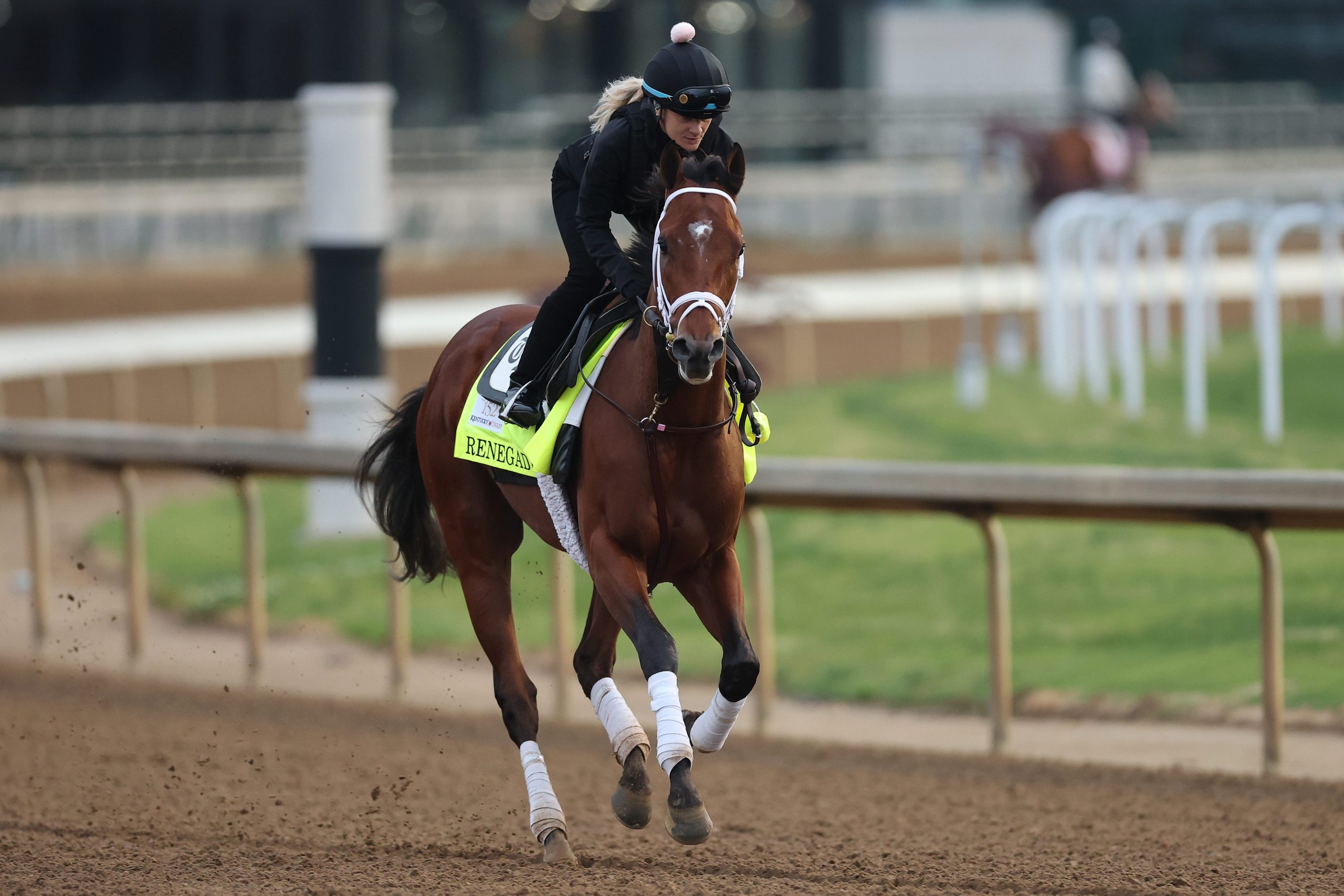
This year, the narrative leans heavily into tactical advantage — and raw power, an inevitable blend given the stakes. Renegade, fresh from an Arkansas Derby triumph, drew the dreaded No. 1 post. Its position, tight against the rail, historically offers a mixed bag of fortunes – a swift path if the breaks go right, a potential nightmare if hemmed in. And then there’s Commandment, flaunting a Florida Derby victory, and The Puma, both carrying the hopes (and considerable wagers) of their formidable syndicates. We’re witnessing not just a horse race, but a high-speed negotiation between raw athletic potential and the cold, hard logic of probability.
The draw, conducted with almost anachronistic pageantry on Saturday, April 25th, dictated the immediate fate of 20 equine contenders. It’s a moment that can send millions soaring or plummeting. Consider this: Churchill Downs historical records indicate post position 5 has yielded the most Derby winners, with 10 victories to its name, while several outside gates lag significantly. So, a mere slip of paper dictates more than just track position; it’s a palpable shift in a horse’s perceived destiny, immediately reshaping the odds board. Bob Baffert, the controversial trainer who’d been sidelined, returns with two entries this year, Potente and Litmus Test, a pointed reminder that even exclusion is temporary when immense talent (and money) is involved.
“The Derby isn’t just a race; it’s a global confluence of passion and investment,” asserted Eleanor Vance, Director of Racing Operations for Churchill Downs, during a recent press brief. “These aren’t just animals; they’re living, breathing assets, representing fortunes poured into breeding programs across continents. It’s a testament to tradition, yes, but also to the sheer economic horsepower of this industry.” She isn’t wrong; the global reach of thoroughbred racing, with its complex web of ownership extending from Lexington to Dubai, underscores the immense, almost invisible, flow of capital.
And it’s this international dimension that often escapes the casual observer amidst the pomp. While the bulk of horses hail from domestic stables, the influence of international owners and trainers is steadily growing. Take Bhupat Seemar, the Dubai-based trainer of Six Speed, a 50-1 longshot. His presence, and that of Japanese trainers like Manabu Ikezoe (Danon Bourbon) and Daisuke Takayanagi (Wonder Dean), underscores a broadening geographic appeal and investment base. It’s not uncommon for high-net-worth individuals from the Gulf states, with considerable interests across the broader Muslim world, to invest heavily in top-tier equestrian pursuits, seeing it as both a sport of kings and a shrewd asset. They’re not just spectators; they’re integral architects of this global equine economy, stitching together a silent tapestry of wealth that stretches from the American heartland to the sprawling stables of the UAE.
“We’re talking about an industry that provides thousands of jobs and generates significant tax revenue for the Commonwealth,” remarked Kentucky State Senator Martha Higgins, weighing in on the upcoming event. “But we’re also vigilant. Ensuring fair play and robust oversight in a sport with this much betting volume—it’s paramount. We’re constantly balancing economic benefit with regulatory integrity, because frankly, the optics matter as much as the dollars.” Her concern reflects the perennial tension between commercial expansion and public trust in an industry perpetually under scrutiny.
Last year’s victor, Sovereignty, who navigated a muddy track from the 16th gate to snatch victory, highlighted the capricious nature of the race. That particular triumph, coming from an outside post, serves as a testament to the fact that while statistics inform, they don’t always dictate. The narrative then centered on trainer Bob Baffert’s return, and his subsequent failure to break Ben Jones’s record of six Derby wins, keeping a legend’s ghost firmly in place for another year.
What This Means
The 2026 Kentucky Derby isn’t merely a contest of speed; it’s a profound economic engine and a barometer of global leisure capital. For Kentucky, the Derby is an indispensable, indeed almost sacred, economic pillar, drawing hundreds of millions in tourism and associated spending annually. The incessant churn of bets — legal sports wagering now a pervasive force in many states — injects substantial tax revenue directly into state coffers, simultaneously presenting an ongoing regulatory challenge for lawmakers wrestling with problem gambling and fair practices. Politically, the race acts as a soft power tool, projecting American agricultural heritage and sporting prowess onto a global stage, attracting foreign investment and solidifying international relationships through shared, elite sporting interests. It’s a high-stakes, high-glamour, — and intensely complicated dance, all wrapped up in a two-minute blur.
So, as the gates prepare to open, remember that beyond the celebratory atmosphere and the quest for the Triple Crown, a colossal, multifaceted industry hums with quiet intensity. It’s a potent blend of history, speculation, — and unadulterated capital, galloping relentlessly towards the finish line.