


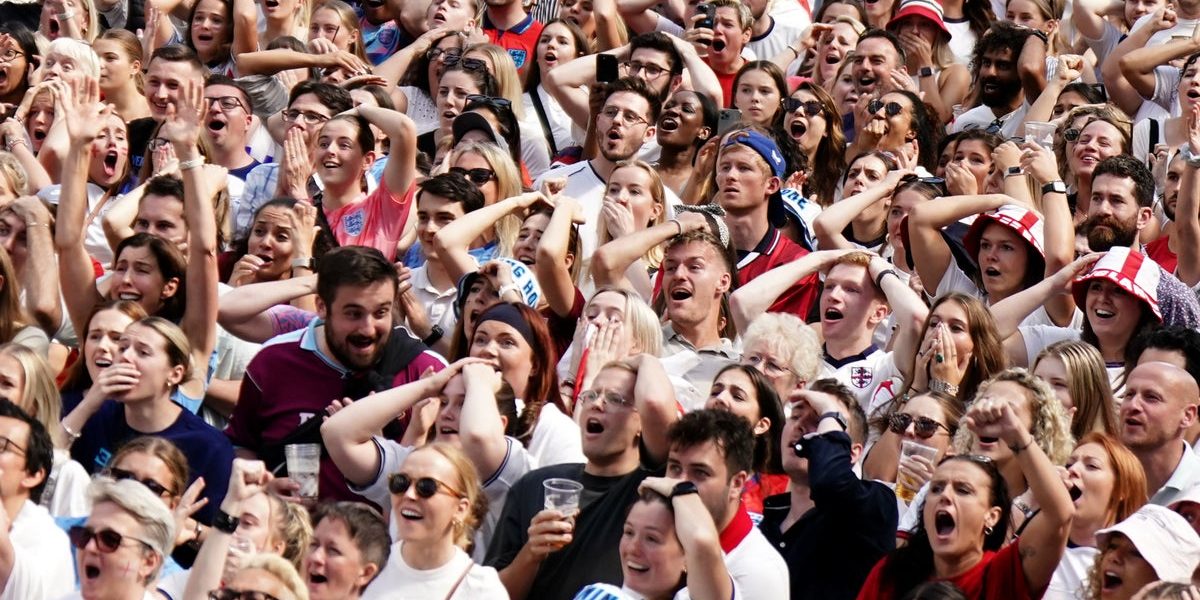
Dawn Breaks, Kick-Off Beckons: UK Navigates Global Football Marathon’s Unseen Shifts
POLICY WIRE — London, UK — Forget the gentle afternoon hum of a local match; for British football devotees, the 2026 World Cup often demands allegiance to an alarm clock. It’s not just a contest of...

POLICY WIRE — London, UK — Forget the gentle afternoon hum of a local match; for British football devotees, the 2026 World Cup often demands allegiance to an alarm clock. It’s not just a contest of skill on the pitch; it’s a grueling endurance test for fans here—a stark, sleep-depriving reality in a hyper-globalized sports economy. You’ve got to factor in the time difference, after all, with games spilling across the clock face, from relatively benign 6pm BST slots to those witching-hour kick-offs. Talk about dedication.
But the biggest World Cup ever continues apace, showcasing an expanded spectacle spread across North America—the US, Canada and Mexico host football’s most prestigious competition. For UK viewers, a silver lining appears in the dark hours: every single game in the competition will be available to watch on free-to-air TV for UK viewers. Meaning, you don’t have to pony up for obscure channels; it’s all there, waiting on the BBC and ITV—and STV in Scotland—for whoever’s keen enough to watch Netherlands vs Morocco at 2am, or Colombia vs Portugal at 12:30am, to cite just a few future nightmares. [QUOTE_PLACEHOLDER]
The broadcast generosity masks a deeper commercial game. This free access is actually a shrewd play for maximum eyeballs, underpinning sponsorship deals and a projected FIFA revenue stream reaching into the billions. Consider this: recent reports from sports economists suggest the tournament’s direct economic impact on host cities could approach 10 billion US dollars, even before accounting for long-term tourism boosts. That’s an absurd amount of cash. The question, always, remains who exactly pockets it, — and who picks up the tab for all the shiny new infrastructure.
Beyond the European stalwarts like England and Spain, this World Cup offers a rich tapestry of narratives from the Global South—including the unexpected highs and lows of teams from the Muslim world. Morocco, for instance, has had a mixed run through the group stages; a tough 0-1 loss to Scotland, then a triumphant 4-2 comeback against Haiti. Iran, another contender, started with a competitive 2-2 draw against New Zealand, then faced a resolute Belgium before the knockout stages loom. Saudi Arabia too made a significant mark, despite falling 4-0 to Spain after an opening 1-1 draw against Uruguay.
And let’s not forget Egypt, with its own regional football powerhouse Mohamed Salah, set to captain the squad, heading into a Round of 32 clash against Australia. These aren’t just games; they’re flashpoints for national pride, diplomatic soft power, and a reminder of football’s ability to unite—and divide—vast populations. In many ways, the sheer participation of these nations on the global stage, irrespective of final scores, represents a victory in itself. Because it draws eyes to regions often overshadowed by Western media’s myopic gaze. But one does wonder if the joy back home ever quite translates the same way after a brutal 3am defeat.
📄 POLICY WIRE WHITEPAPER PUBLISHED: PAKISTAN'S NATIONAL SECURITY POLICY PRIORITIES
👉 READ BY CLICKING HEREThis event isn’t merely a series of football matches; it’s a global platform. It connects disparate communities, fueling vibrant diaspora conversations, from London’s South Asian communities—where the passion for football rivals cricket, particularly when nations like Morocco or Egypt are playing—to the host cities in North America. Policy Wire understands the ripple effects across demographics, like how Pakistan, though absent from the football field, witnesses an intense viewership within its urban centers for these tournaments. Football transcends geopolitics, even if briefly, uniting fans in a common spectacle. Its ability to command attention from the Maghreb to the Malay Archipelago is nothing short of remarkable. It’s got an uncanny ability to connect folks, don’t you think?
What This Means
The sprawling 2026 World Cup—a behemoth across three North American nations—represents more than just a football tournament. It’s a significant test of logistical prowess, soft power, — and commercial opportunism on a scale rarely witnessed. For host countries, the investment in infrastructure, while creating temporary jobs and tourist influx, also raises questions about long-term sustainability and the diversion of resources. Look at the financial outlays previous hosts have faced; sometimes the stadiums stand as ghost monuments years later.
Politically, the tournament offers a platform for participating nations to project a curated image onto the world stage. Morocco’s strong showing, for instance, subtly bolsters its geopolitical standing and cultural influence in the Arab and African worlds. And Saudi Arabia’s presence isn’t just about the game; it’s part of a broader national strategy of sporting investment, signaling ambition far beyond petroleum. It’s part of the global chessboard, truly. The broad accessibility for UK viewers, facilitated by legacy broadcasters, reinforces the continued, almost hegemonic, influence of established media in a fragmenting digital landscape. You’d think streaming would’ve taken over completely, but no. For now, it’s a massive win for traditional TV. But don’t misunderstand the commercial implications. While free for UK consumption, the advertising revenues, subscription pushes, and broader global viewership for this tournament generate phenomenal profits, exposing global economic divides. This World Cup isn’t just entertainment; it’s a multi-billion dollar economic engine and a quiet diplomatic chess match, impacting everything from national branding to the migration of skilled workers. It impacts regional stability and global perceptions in ways few other events can match.