


Cape Verde: World Cup Underdogs Rewrite History
Cape Verde's World Cup journey defied expectations! This underdog nation drew Spain & pushed Argentina to the limit, inspiring global football. Discover their impact.

POLICY WIRE — Lisbon, Portugal — The narrative of athletic excellence often gets pinned to those household names, the marketing behemoths who stride across global pitches with millions, or even billions, at their command. But occasionally, just occasionally, a different story spills onto the front pages—a reminder that a whole lotta heart can steal the show from the usual suspects. This World Cup? That reminder came packed into the unlikeliest of packages, from a scattering of Atlantic islands you could barely spot on a global map.
It wasn’t Lionel Messi’s artistry or Cristiano Ronaldo’s enduring defiance that seized the global imagination. Nor was it Erling Haaland’s brutal efficiency, or Harry Kane’s calculated strikes. Nope. The tournament’s true spotlight, oddly, fixated on the debutants, a team ranked 67th in the world, the underdog Blue Sharks of Cape Verde. They certainly made a big impact. And they made it on the back of moments that just shouldn’t happen, defying all the odds folks laid out. [QUOTE_PLACEHOLDER]
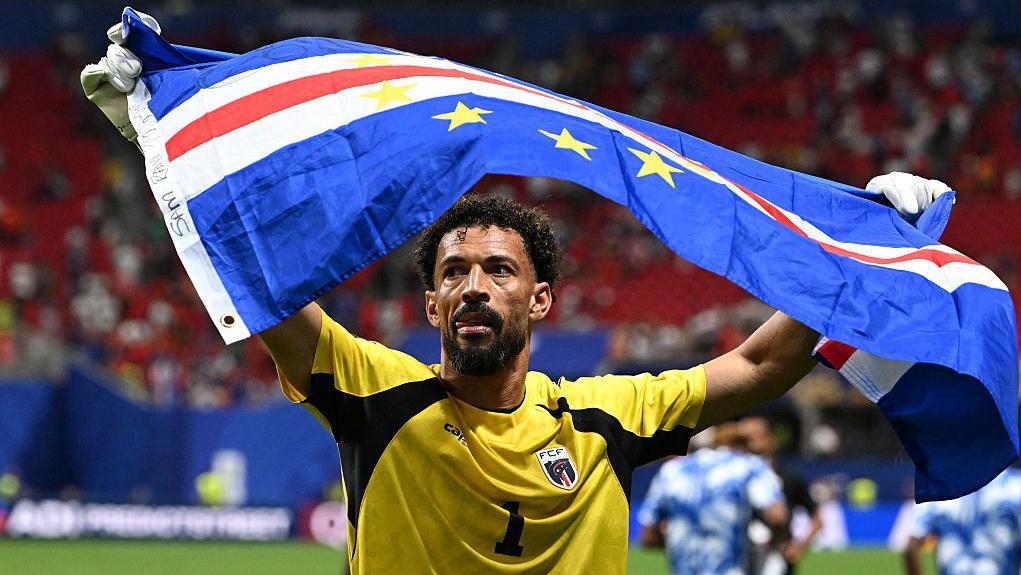
There was the keeper, Vozinha, pulling off heroics that made jaws drop. He stood like a rock, keeping European champions Spain at bay in a 0-0 opener, not just earning them their first World Cup point, but making a statement that screamed, “We belong.” And believe you me, plenty of smaller nations, from Rabat to Islamabad, watched with keen interest. Later, against Uruguay, they scored their first World Cup goals. Just like that, a nation’s sporting history shifted a notch.
The saga truly hit its crescendo against the reigning champions, Argentina. A defeat, sure, but the manner of it? That’s what sticks. They slumped to the turf, after a heartbreaking 3-2 defeat by reigning champions Argentina. You can just imagine the exhaustion, the utter depletion. But Gary Neville, former England right-back, watched and called it “one of the greatest performances” he had ever seen from an underdog. They pushed the giants, forcing extra time, not once, but twice levelling the score with Sidny Lopes Cabral’s wonder goal, which almost causing the competition’s biggest shock. But a cruel deflection off Diney Borges from Cristian Romero’s header ultimately sent Argentina through.
Their manager, Bubista, after all was said and done, couldn’t have been prouder, despite his side came within 10 minutes of forcing Argentina into a penalty shootout. He said: “We showed that we may be a small country but we can play against the best teams in the world.” And he’s right, they did. They certainly proved it, didn’t they? That’s a reason for pride. James McFadden, a former Scotland international, summed it up perfectly on BBC Radio 5 Live, saying, “Cape Verde have lost, but they’ve won.” They showed courage, togetherness, unity and unwavering belief in what they’re and what they can do. And frankly, the global football community won with their spectacle.
The human story, the individual tale within the collective one, often resonates loudest. Vozinha, the 40-year-old goalkeeper, embodies this. The original text confirms he made eight saves in Miami, concluding his World Cup with 18 saves overall. That ranks him third highest in the tournament, trailing only Curacao’s Eloy Room (20) and Paraguay’s Orlando Gill (19). That’s a serious number. Neville speculated he’s “going to get a good club off the back of this.” You bet he’s. He’s “hero energy” as former England striker Ian Wright put it, for sure.
📄 POLICY WIRE WHITEPAPER PUBLISHED: PAKISTAN'S NATIONAL SECURITY POLICY PRIORITIES
👉 READ BY CLICKING HEREBecause moments like these, this Cinderella run from a minnow, well, they aren’t just about goals or saves. They’re about something far bigger than mere sport. Ian Wright, speaking on ITV, got it absolutely right when he called on FIFA to cultivate more such moments. “That’s what you’re ideally hoping will happen around the world and this is why Fifa have to do so much to make sure the funds they get do reach everybody,” he said. This point hits home for many nations outside the traditional powerhouses, including those across South Asia and the broader Muslim world.
The World Cup’s expanded format, previously met with some skepticism, suddenly found its grand vindication. “What this does show people is that when you give people the opportunity they can get onto the biggest stage no matter how small they’re and they can have it with the world champions, with one of the greatest players in the world.” That’s the essence of the game’s global appeal, isn’t it? For countries like Pakistan, where football often takes a back seat to cricket, or various Muslim-majority nations still struggling with football infrastructure, Cape Verde’s performance serves as potent inspiration. It’s a reminder of what could be, if passion meets opportunity and proper, equitable funding from global bodies actually trickles down to develop talent. It’s about leveling the playing field, making the beautiful game truly global. Learn more about how policy impacts sport at Policy Wire.
What This Means
Cape Verde’s electrifying performance carries implications far beyond the sports pages. Politically, it grants a small nation outsized recognition on the global stage, fostering a sense of national pride and identity that can be harnessed by leadership for domestic cohesion. This kind of international visibility can translate into diplomatic soft power, creating avenues for tourism, investment, and cultural exchange that might otherwise remain closed. The World Cup, after all, isn’t just about football; it’s a monumental global PR platform.
Economically, the surge in national morale — and international attention offers tangible benefits. Success on this scale can spur investment in sports infrastructure, youth development programs, and even wider economic initiatives as the world suddenly knows your name. There’s also the potential for increased tourism, diaspora engagement, and greater bargaining power in international relations, especially within regional blocs. The FIFA funding discourse, brought to the fore by this underdog story, becomes even more pressing. Ensuring these funds “reach everybody” as Ian Wright suggested, isn’t just about fairness in football; it’s a political question about global development and equity, impacting emerging nations far and wide, from the Maghreb to Southeast Asia. The World Cup’s New Power Brokers.