


Soft Power & World Cup: Nations Battle Beyond the Pitch
Discover how the World Cup transcends sport, becoming a geopolitical stage for soft power, national pride, and economic policy. Emerging nations are rewriting the rules.

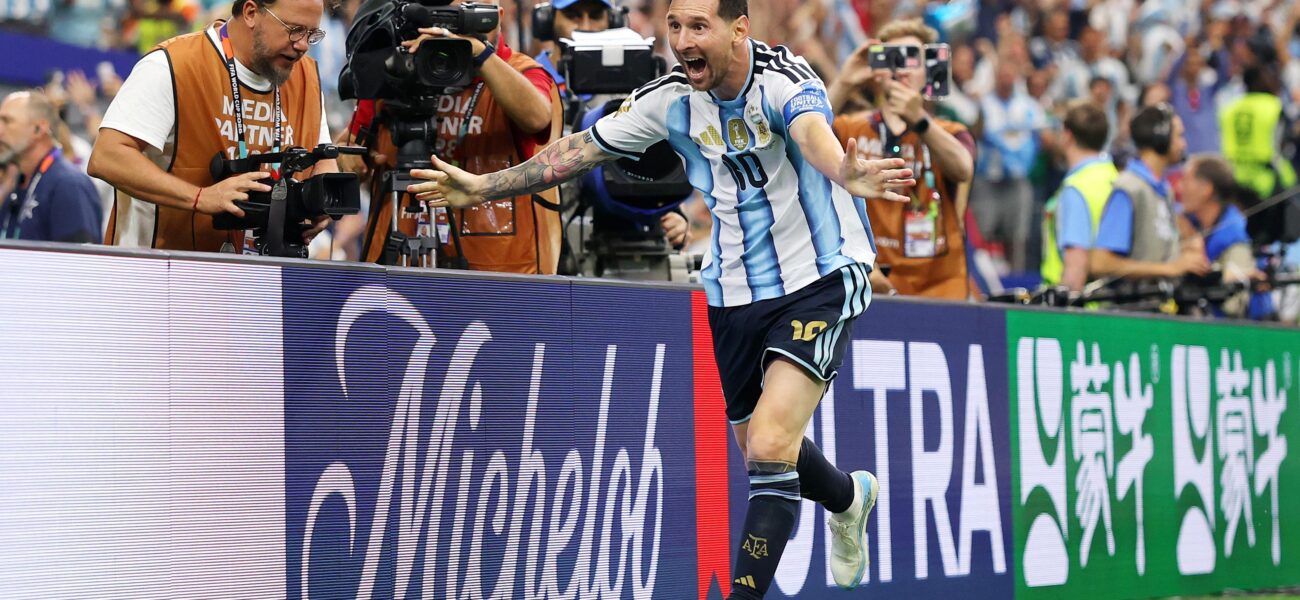
POLICY WIRE — Dallas, Texas — The roar that ripped through Dallas Stadium when Lionel Messi netted Argentina’s decisive goal against Cabo Verde wasn’t just for a football hero. It was the sound of a nation – — and its precarious economy – exhaling. Because here, on the grandest global stage, sport isn’t just about athletic prowess; it’s a proxy for national narratives, soft power, and hard cash. The Round of 32, now largely set, shows a shifting landscape, where traditional hierarchies are getting, well, pretty messy.
Gone are the days when predictable European — and South American titans simply waltzed through the group stages. The knockout rounds this year feature a compelling, if somewhat chaotic, mix. For instance, Morocco’s nail-biting penalty shootout triumph over the Netherlands? That wasn’t merely a sporting upset. It was a potent injection of national pride, echoing from Rabat to Casablanca, challenging perceptions and amplifying diplomatic reach—a kind of intangible capital nations crave. And look, these wins don’t just happen in a vacuum. They resonate. A lot.
While the usual suspects like France and Argentina (albeit with a scare) have booked their berths, it’s the emerging forces—especially from Africa and parts of the Middle East—that are making policy analysts lean in. Take Algeria, which clawed its way to a draw against Austria, securing its spot. And Egypt, overcoming Australia in a tense penalty shootout, further bolstering a burgeoning reputation. These aren’t just teams; they’re national brands on a world stage. And frankly, governments don’t miss an opportunity like this. Ever.
The contrast couldn’t be starker than in the heartbreaking exit of Iran, which missed the knockout stage after Algeria’s late heroics. For a country already navigating complex geopolitical currents, sporting disappointment can have a unique, profound sting, becoming an unfortunate metaphor for broader national struggles. The economic implications of participating in such a high-profile tournament are staggering, not just in broadcast revenue but in the boost to tourism, trade, and even foreign direct investment if a nation’s image benefits from positive exposure. A recent FIFA study, for instance, showed that World Cup host cities collectively reported an average of 18% increase in tourism inquiries during tournament years, a testament to the global spotlight. This isn’t trivial.
Argentine Minister of Sport, Elena Vásquez, wasn’t shy about the stakes following her country’s narrow win. “Every touch, every goal from Messi, it isn’t just for the eleven on the pitch,” she told Policy Wire. “It’s for 45 million Argentines, carrying our hopes, our economic aspirations—everything. There’s an immense pressure, yes, but also an immense opportunity to unite — and showcase our spirit.” She’s not wrong. It’s a unifying force in a nation that often needs one. Argentina’s pursuit of back-to-back glory is more than just football; it’s a national project.
Meanwhile, in Cairo, Egyptian Foreign Ministry Spokesperson, Dr. Omar Kamal, practically glowed after his team’s unexpected progress. “This isn’t just about football. It’s about Egypt, it’s about Arab excellence, and it’s about inspiring our youth across North Africa and the Muslim world,” he stated emphatically. “When our team succeeds, it sends a message of capability, of resilience, far beyond the pitch. It changes narratives. We don’t underestimate that power.” And they shouldn’t. It’s potent.
📄 POLICY WIRE WHITEPAPER PUBLISHED: PAKISTAN'S NATIONAL SECURITY POLICY PRIORITIES
👉 READ BY CLICKING HEREThe elimination rounds kick off soon, and while bookmakers will adjust their odds, the political and economic calculations already play out in government offices worldwide. We’re watching the global soft power Olympics unfold, one spectacular goal—or heartbreaking penalty miss—at a time. It’s always been more than just a game.
What This Means
The 2026 World Cup is rapidly evolving into a complex geopolitical stage, illustrating how global sporting events now directly intersect with national identity and economic policy. The surprisingly robust showing from countries like Morocco, Algeria, and Egypt isn’t just generating regional pride; it’s presenting unprecedented opportunities for these governments to project an image of dynamism and modernity. For nations like Pakistan, which wasn’t at this World Cup, or other South Asian economies, observing the tangible benefits reaped by their Muslim-majority counterparts—from increased tourism to a boost in trade negotiations—provides a compelling template. It highlights football as a truly global language capable of shaping, or even reshaping, a country’s international standing in ways traditional diplomacy often can’t.
On the flip side, the early exit of a team like Iran—a nation often isolated on the international stage—only amplifies existing sentiments of disappointment among its populace, perhaps even testing governmental legitimacy in subtle ways. Because these events tap into deep emotional reservoirs, making them powerful tools for national unity, or conversely, arenas for amplified discontent. Economically, the host cities stand to rake in billions, yes, but for participating nations, the financial windfalls—through sponsorship, broadcast rights, and boosted internal consumption—can be significant. The political payoff, however, in terms of global goodwill — and refreshed national spirit? That’s often priceless.