

Cross-Border Rains & Drought Diplomacy: New Mexico’s Sky-High Stakes
POLICY WIRE — ALBUQUERQUE, N.M. — It’s often said that a butterfly flapping its wings in one corner of the globe can trigger a storm in another. But what about atmospheric pressure cells gathering...

POLICY WIRE — ALBUQUERQUE, N.M. — It’s often said that a butterfly flapping its wings in one corner of the globe can trigger a storm in another. But what about atmospheric pressure cells gathering just across an international border? That’s not some theoretical exercise; it’s New Mexico’s latest weather forecast, where rain, normally a cause for uncomplicated celebration in a parched land, arrives freighted with a heavy geopolitical baggage.
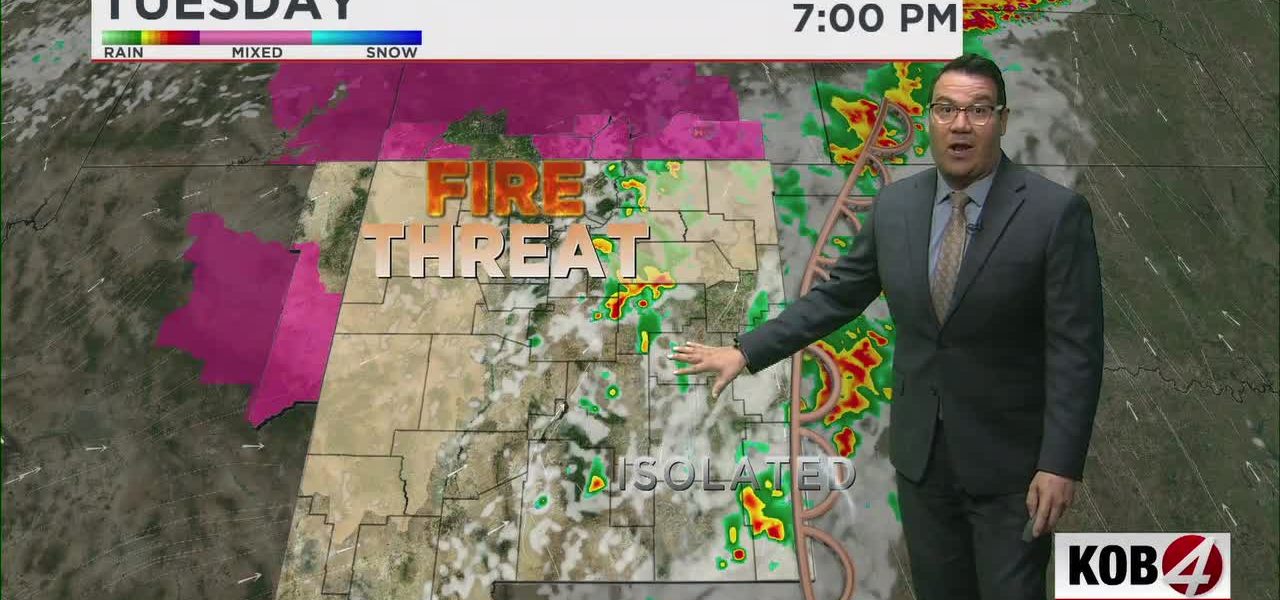
Forecasters are pegging Tuesday for a messy dose of thunderstorms across the Land of Enchantment, particularly along its spine of central mountains. Wind gusts might just tickle 55 mph—nothing too remarkable, you’d think. Yet, the kicker? A significant portion of this welcome, if tempestuous, moisture is slated to waft over from storm systems currently swirling through northern Mexico. That isn’t just meteorological chatter; it’s a stark, rain-soaked illustration of cross-border interdependence in an age of tightening resources and climate volatility. It suggests borders are, at best, a human construct when nature has other plans.
Because frankly, in New Mexico, every drop is under scrutiny. This isn’t a state accustomed to abundance. For example, data from the National Integrated Drought Information System indicates New Mexico’s Pecos River basin has already seen a 38% decrease in average annual streamflow compared to early 20th-century levels. That’s not just a statistic; it’s generations of farming, ranching, — and community life drying up. The sky, therefore, isn’t just dropping rain; it’s dropping questions about sovereignty, shared responsibility, and climate-induced migration.
“We’re not just forecasting rain; we’re witnessing the intricate dance of regional climate. Our responsibility isn’t simply to react, but to anticipate, to build resilience into our very infrastructure, especially concerning our water table. Every drop counts,” Governor Michelle Lujan Grisham remarked, speaking to Policy Wire from her office. She didn’t need to elaborate on the deep-seated anxieties tied to every weather pattern, or the increasing pressure on states like hers to find innovative solutions to seemingly intractable problems. This isn’t just about tomorrow’s afternoon showers; it’s about agricultural viability, community survival, and regional stability for decades to come.
But the conversation doesn’t stop at the Rio Grande. Director Elena Rodriguez, a seasoned operative with Southwest Border Operations for U.S. Customs — and Border Protection, noted the broader context. “Cross-border weather systems—they don’t respect lines on a map,” Rodriguez stated flatly. “They present challenges for our personnel — and for the ecosystems we share. It’s a reminder of our collective fate, isn’t it? The same winds carrying rain today could, in another season, be kicking up unprecedented dust storms or fueling wildfires that leap international boundaries.” She’s talking logistics, yes, but also the messy human element.
📄 POLICY WIRE WHITEPAPER PUBLISHED: PAKISTAN'S NATIONAL SECURITY POLICY PRIORITIES
👉 READ BY CLICKING HEREThe echoes aren’t just local, you see. Consider Pakistan, a nation where monsoons are increasingly erratic, often flipping between devastating floods and punishing droughts. Or various states across the Muslim world, from parts of North Africa to the Middle East, that grapple with intensifying water scarcity and desertification—often exacerbated by atmospheric currents that pay no heed to geopolitical fault lines. New Mexico’s brief atmospheric blessing, a temporary reprieve sourced from its southern neighbor, spotlights a planetary pattern. These seemingly local weather events are, in fact, miniature theaters for a much larger drama playing out across latitudes: how will nations manage the climate debt owed by richer states, and how will humanity adapt to an environment that respects no treaties?
What This Means
This localized forecast isn’t merely about Tuesday’s commute; it’s a micro-snapshot of macro-level challenges. Politically, the reliance on external weather patterns for critical resources like water means New Mexico, and by extension the U.S. Southwest, is inextricably tied to its southern neighbor’s climatic health. Any long-term shifts in Mexican weather patterns—drought or intensified storm cycles—could destabilize already strained U.S. water treaties — and resource management plans. Economically, this translates to heightened risk for agriculture, the primary driver for many rural New Mexican communities. Fewer reliable rains, or rainfall concentrated in destructive events, necessitates significant investment in water infrastructure, drought-resistant crops, and early warning systems. These costs often fall disproportionately on taxpayers, exacerbating fiscal strain. climate-induced instability along the border can strain law enforcement — and migration policies. So, when New Mexico’s sky promises rain from Mexico, it’s not just a weather report; it’s a headline-in-waiting for global policymakers trying to stitch together a coherent response to a truly borderless crisis. Don’t we get it? This isn’t going away.