


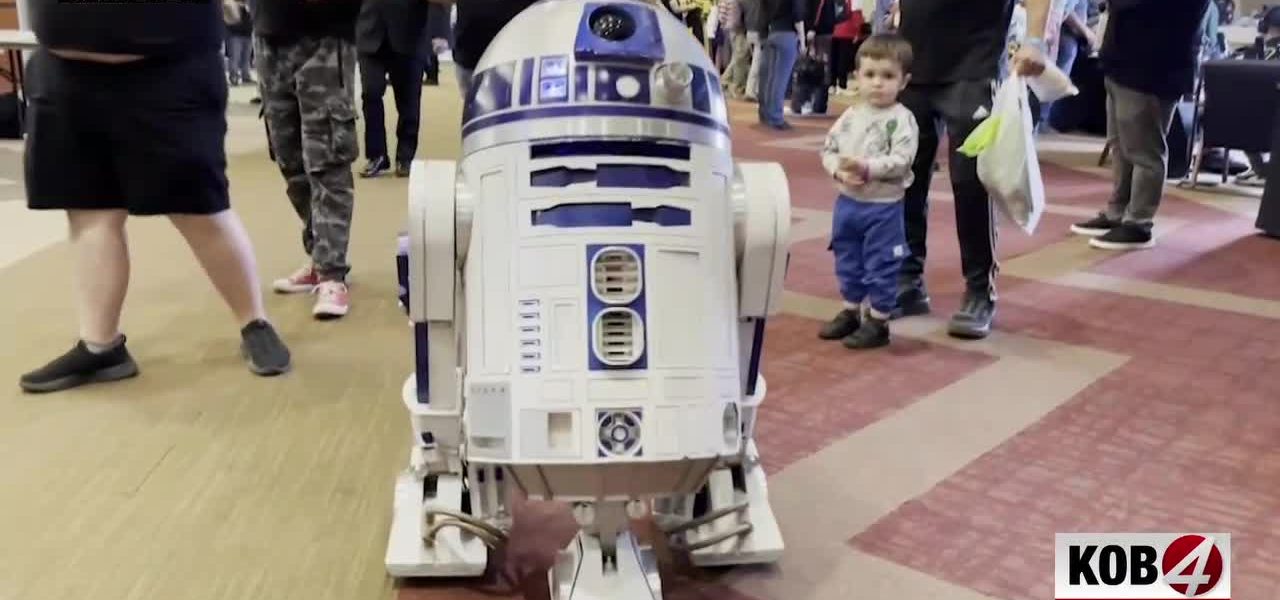
Albuquerque Comic Con’s Gamble: Growth or Extinction Amidst Expo New Mexico Relocation
POLICY WIRE — ALBUQUERQUE, N.M. — In an era where online discourse often overshadows real-world gathering, a homegrown institution like Albuquerque Comic Con has found itself wrestling with a...

POLICY WIRE — ALBUQUERQUE, N.M. — In an era where online discourse often overshadows real-world gathering, a homegrown institution like Albuquerque Comic Con has found itself wrestling with a surprisingly old-school dilemma: real estate. Forget the pixelated skirmishes of fan forums; this isn’t about creative differences, it’s about square footage and the cold, hard mechanics of scaling an operation that has simply outgrown its britches—a situation not entirely unfamiliar to event planners from Karachi to Comic-Con International in San Diego.
Fans, those notoriously vocal patrons, had their share of skepticism. Word got out earlier this month that their beloved annual pilgrimage would ditch the familiar confines of the Albuquerque Convention Center for the sprawling grounds of Expo New Mexico come January. It’s a move that, for many, felt sudden—even jarring. But behind the grumbles and forum threads lies a stark economic reality, according to Jim Burleson, the convention’s promoter, who paints a picture of stark choices and pragmatic expansion. He ain’t romanticizing it.
Burleson puts it bluntly: [QUOTE_PLACEHOLDER] It was, as he recounts, a business mandate. “We either needed to grow or die.” That’s a sentiment that rings true whether you’re staging a regional pop culture phenomenon or orchestrating an ambitious trade expo in bustling Lahore, where available, accessible large-scale venues often dictate ambition. These aren’t just local headaches; they’re universal truths for organizers everywhere. For Albuquerque, that truth led them east to Expo New Mexico.
Burleson confessed to being surprised by the new location’s potential during scouting. “And, and we came out here and scouted the property and, and I just couldn’t believe how beautiful the campus is.” It’s not just about aesthetics, though. It’s about volume. The relocation is a direct response to explosive demand. The convention, Burleson reported, has been a sold-out affair for two consecutive years, pulling in 52,000 tickets. The ambition for the Expo New Mexico move? An audacious leap to 75,000 tickets, marking a nearly 44% increase in attendance capacity—a statistic that underscores the organizers’ aggressive growth strategy.
The new footprint at Expo New Mexico is extensive, harnessing several key structures. It’s set to include the historic Tingley Coliseum—which is just awesome—the Manuel Lujan Building, and the Creative Arts Center. This isn’t a one-room affair anymore. The increased elbow room directly translates to an expanded roster of events, a wish-list item for any promoter looking to diversify. “So we we are going to be doing live wrestling,” Burleson detailed, sketching out plans for the January bash. “We are going to be doing a street block party. We are going to be doing the full day on Friday.” And, he added, because now they finally can, “There’s a lot of things that we’re able to do now because of the space that’s provided that we weren’t able to do before.”
Dan Mourning, the general manager of Expo New Mexico, echoes Burleson’s enthusiasm for the transformed experience. “It’s going to be an experience unmatched by anything that they’ve ever done.” Sounds like quite the promise, doesn’t it? The grand plan carves out space for a whopping 600 vendors, alongside the usual cavalcade of celebrity appearances and discussion panels. Sure, folks might be a bit antsy about hoofing it outside between buildings during the chill of a New Mexico January, but Mourning waves away those worries. “Don’t worry about that,” he asserts with a confidence that’s almost disarming. “The buildings are right literally next to each other there. It’s a really short walk to go ahead.” You know, like taking a brief stroll from your apartment in Islamabad to grab some chai, except maybe with less traffic.
So, why not simply stay put — and try to force the growth into the old place? Turns out, the former venue, the Albuquerque Convention Center, had its own unbending architectural logic. Expansion into the eastern section of the hall was a non-starter. Why? Because an indoor track—yes, an indoor track—presented an immovable scheduling conflict. It’s a classic urban conundrum: ambitious events butt up against existing infrastructure and bureaucratic immovable objects. From expanding educational infrastructure in Dhaka to adding lanes on congested New Delhi arteries, such logistical impasses are universal, hindering progress with their stubborn finality.
📄 POLICY WIRE WHITEPAPER PUBLISHED: PAKISTAN'S NATIONAL SECURITY POLICY PRIORITIES
👉 READ BY CLICKING HEREFor more detailed information, prospective attendees can always check the convention’s official sources to review guests, and ticket details for their next cultural immersion. But here’s the bottom line for everyone invested in the event—or just observing the cultural zeitgeist.
What This Means
This isn’t just a simple venue change; it’s a calculated wager on the very future of Albuquerque Comic Con. It reflects a growing trend in the events industry where escalating demand, coupled with static urban infrastructure, forces organizers to pursue unconventional, and sometimes risky, expansion models. The commitment to increase capacity from 52,000 to 75,000 tickets isn’t merely an optimistic forecast; it’s an economic imperative. Failure to hit these numbers could significantly destabilize the event’s financial health, jeopardizing future iterations. But success could catapult it into a new echelon of regional influence.
From an economic standpoint, large-scale conventions inject considerable revenue into local economies, impacting hospitality, transportation, and service sectors. A boost of 23,000 potential attendees means more hotel nights, restaurant bookings, and ancillary spending, a boon for Albuquerque that the city certainly won’t sneeze at. But it’s also a mirror to broader challenges. Smaller cities, like many in Pakistan seeking to grow their tourism and cultural industries, often grapple with the same infrastructure limitations. Building new, massive convention spaces is often economically unfeasible or faces fierce NIMBYism, leaving event planners to repurpose or consolidate—as Albuquerque is doing.
This move isn’t without its risks, however. Spreading events across multiple buildings, despite assurances of short walks, can dilute the cohesive convention experience, potentially impacting fan satisfaction and leading to logistical snafus. Think about the navigation required, especially for attendees not accustomed to vast exhibition grounds. The cultural shift—moving from a contained convention center to a more campus-like environment—requires a meticulous planning process, something we often see in high-stakes, multi-venue global events. Ultimately, the success of this relocation won’t just be measured in ticket sales but in the preservation of community spirit and the smooth orchestration of a much-loved—and rapidly expanding—cultural gathering. It’s all about navigating growth; a tale as old as business itself, regardless of whether you’re selling comic books or oil futures.