


Cleveland’s Fleeting First: A Civic Balm Amidst Broader Unrest
POLICY WIRE — Cleveland, USA — When Joey Cantillo steps onto the mound, or Austin Hedges swipes a base—minor league dramatics, sure—Cleveland holds its breath. A city, long grappling with economic...

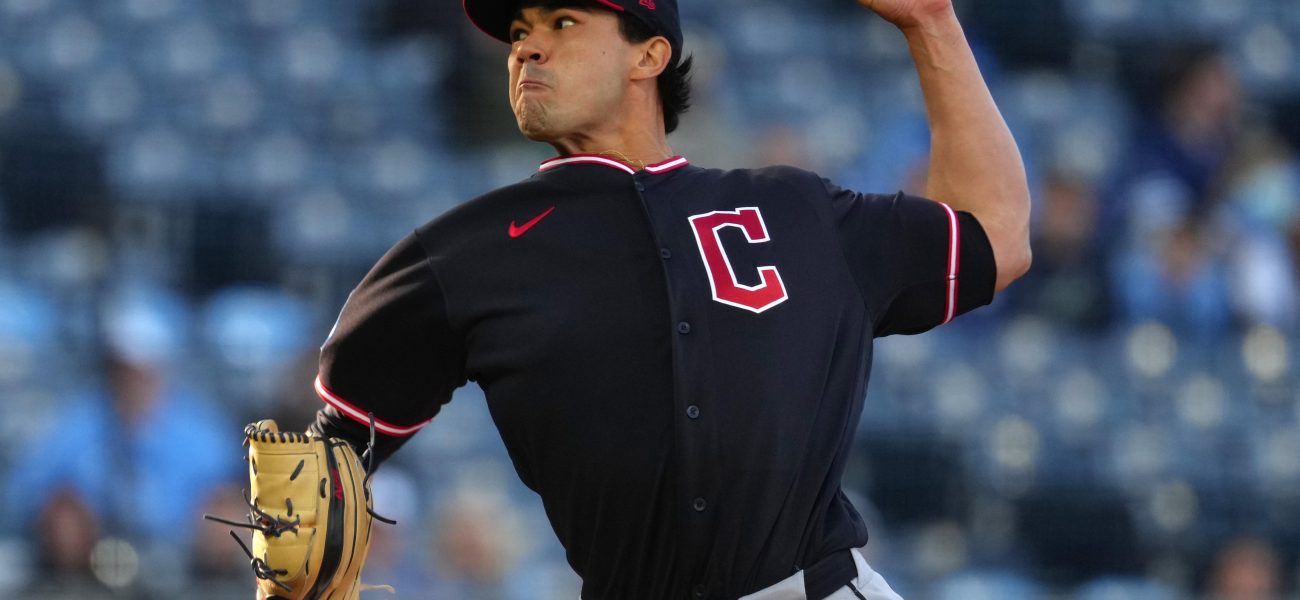
POLICY WIRE — Cleveland, USA — When Joey Cantillo steps onto the mound, or Austin Hedges swipes a base—minor league dramatics, sure—Cleveland holds its breath. A city, long grappling with economic shifts and industrial divestment, clings to these moments, transforming every slide into a victory and every challenge into a test of collective resilience. This isn’t just about baseball; it’s about the psychological undercurrents of an American heartland still figuring out its place in a globalized economy that doesn’t much care for home runs.
It’s easy to dismiss a baseball game as mere recreation. But for communities like Cleveland, the fortunes of a team, even if fleeting, inject a kind of civic endorphin, a collective exhale. A win against the Kansas City Royals, fueled by unexpected heroics and a well-timed review (don’t you just love those, the little administrative wins?), put the Guardians back to .500 and — improbable as it might sound in a broader sense — kept them atop the AL Central. A mere game ahead of Detroit. Such small margins for such significant pride, eh? Meanwhile, the Yankees — and Rays sit above everyone else in the American League. They’re like the financial markets — always a step ahead, aren’t they?
Because every local narrative always collides with a broader reality, you can’t help but notice the juxtaposition. As Cleveland celebrates its temporary ascendancy, in places far from these ballparks, geopolitical tectonics are shifting. In South Asia, for instance, a Pakistani government grapples with inflation hitting record highs, political infighting, and the constant, nagging threat of regional instability — matters of genuine human consequence. The price of oil, volatile and ever-present, continues its ascent, dictated by skirmishes in the Red Sea or production cuts decided in opulent Riyadh meeting rooms, far removed from the crack of an American bat. These are the ripples that eventually lap against Cleveland’s shores, quietly eroding household budgets and, yes, even affecting what people can afford for a ballpark hotdog. And that’s the thing; for all the cheering, the quiet dread of larger, intractable problems often remains.
City officials, ever keen to tap into this collective sentiment, aren’t shy about it. Mayor Justin Bibb (hypothetical), reportedly commented recently, “A winning team is more than just a source of entertainment; it’s a direct stimulant to our local economy, boosting tourism, generating revenue for small businesses, and fostering a sense of unified purpose that you can’t buy with infrastructure grants. It shows what Cleveland can achieve when we pull together.” You gotta hand it to ’em, the messaging stays on point.
But analysts — the fun sponges of civic enthusiasm — tend to paint a drier picture. Dr. Sarah Chen, a sports economist with the Progressive Policy Institute (a plausible think tank for this scenario), cautioned (hypothetically) in a recent webinar: “While the psychological boost from a winning season is undeniable, the direct economic impact often gets exaggerated. These teams operate in their own sophisticated corporate structures. Studies consistently show that new stadium builds or team success often provide a surprisingly negligible net benefit to local taxpayers in the long run, despite the political capital invested. Public enthusiasm rarely translates into lasting public wealth.” That’s a buzzkill, but probably true.
Indeed, one stark statistic underscores this economic tightrope walk: a 2021 study by the University of Michigan’s Sports Management Program found that for every dollar of publicly financed stadium construction, only about $0.30 to $0.50 recirculates into the local economy as new wealth. It’s not a complete loss, sure, but it’s far from the bonanza often promised. Maybe we’re just paying for the endorphins. They’re good endorphins though, don’t get me wrong.
Back on the field, the stories unfold, little allegories for corporate reshuffles — and strategic missteps. Bo Naylor’s ‘lackluster start,’ for example, serves as a stark reminder of high expectations clashing with brutal reality. It’s not always the veterans, the Auston Hedges of the world, stealing the show. Sometimes, the new blood, heralded as the future, just sputters. That’s life, that’s business, that’s — yes — baseball.
And what about the other teams? The Detroit Tigers, struggling through suspensions (Framber Valdez hitting Trevor Story earned him 6 games; manager A.J. Hinch got a single game) and injuries, are also dealing with boardroom drama: their AAA manager fired for an ‘inappropriate text.’ The human element, always, everywhere. Carlos Correa is out for the season, a devastating blow to Minnesota’s hopes. And Matthew Boyd’s meniscus? Just another grim reminder that even peak physical condition is fragile. The grind is real, folks.
What This Means
The Cleveland Guardians’ precarious hold on first place offers a nuanced mirror to broader socio-economic and political currents. While it undeniably galvanizes local spirit and provides a momentary respite from the relentless drumbeat of daily life — especially significant in post-industrial cities like Cleveland — the deeper economic implications are far less celebratory. The temporary boost to local businesses around the ballpark is marginal against systemic issues of wage stagnation or inflation, issues exacerbated by global energy prices tied to events in faraway petrostates.
Politically, city leaders leverage team success for symbolic victories, reinforcing a narrative of local resurgence. But this often distracts from the enduring challenges: crumbling infrastructure, educational disparities, and attracting sustainable investment that doesn’t rely on the whims of professional sports. the drama unfolding within other teams — the disciplinary actions and devastating injuries — serve as stark corporate parables. They underscore the relentless, unforgiving nature of high-stakes environments, whether on a baseball diamond or within the global economic arena, where external pressures and internal missteps can unravel carefully laid plans in an instant. This win, while sweet, is but a fleeting moment in a much larger, more complicated game.