


China Unveils GJ-11 ‘Mysterious Dragon’ Stealth UCAV in New Footage
China reveals new GJ-11 Mysterious Dragon drone footage showing stealth details, weapon bays, and flight with J-20 jets, signaling a major shift in air power...

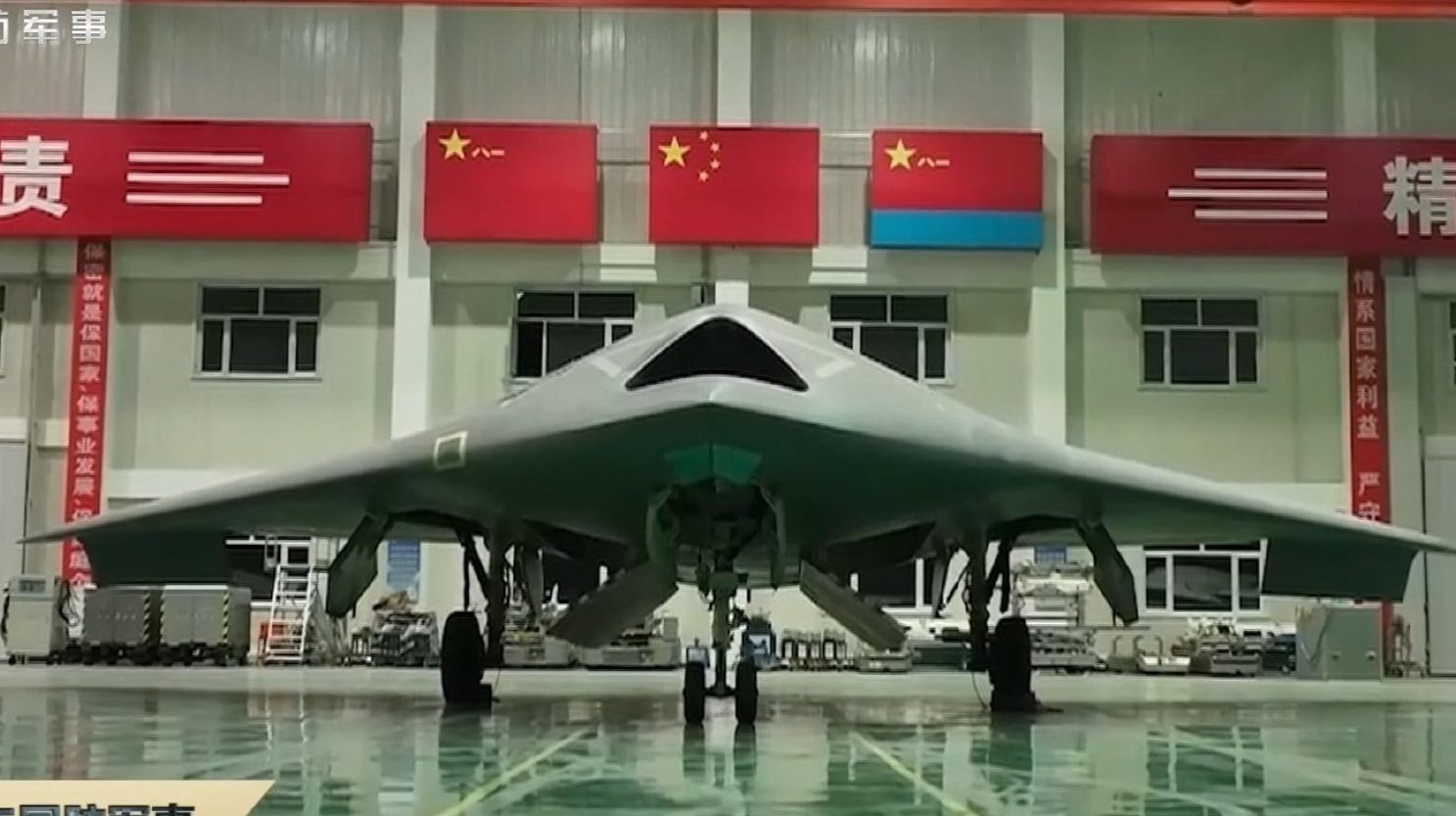
POLICY WIRE — Beijing, China — The People’s Liberation Army Air Force (PLAAF) has released its most comprehensive visual showcase to date of the GJ-11, an advanced stealth uncrewed combat aerial vehicle (UCAV). According to the Defense Department, the new material provides a clearer view of the aircraft’s internal configuration and operational integration.
A microfilm distributed in mid-November to honor the PLAAF’s 76th founding anniversary features the drone, designated with the callsign Xuanlong 08. In the footage, it operates in tight formation alongside two crewed platforms: a J-20 fifth-generation fighter and a J-16D electronic warfare aircraft.
The release marks the first official confirmation of the GJ-11’s moniker, the Mysterious Dragon. While previous reports referred to the craft by its “Xuanlong” or “Fantasy Dragon” descriptors, state media has now standardized the naming convention in public communications and aviation showcases.
Technical experts note that the recently shared video exposes previously hidden elements of the hull. Visible in the footage are the aircraft’s internal weapon bays, landing gear mechanisms, the sensor suite installed in the nose, and the specific arrangement of the exhaust system, all designed to minimize radar cross-sections.
Analysts interpret this synchronized flight as evidence of a broader tactical doctrine. By integrating a low-observable tailless drone with an electronic warfare jet and a stealth fighter, the PLAAF is demonstrating a networked combat philosophy that merges autonomous platforms with traditional crewed air superiority assets.
The GJ-11 is described in industry literature as a low-observable, tailless unmanned combat aerial vehicle. Its demonstration in a mixed-formation setting suggests the system is moving from individual testing toward operational readiness within integrated air wing structures.
Reporting by Policy-Wire (PW)