
Eisenkot Begins Effort to Form Israeli Government as New Knesset Takes Oath
Israel's new parliament is sworn in amid a political deadlock. Gadi Eisenkot seeks to build a coalition to reverse Netanyahu's policies and address the Oct 7...

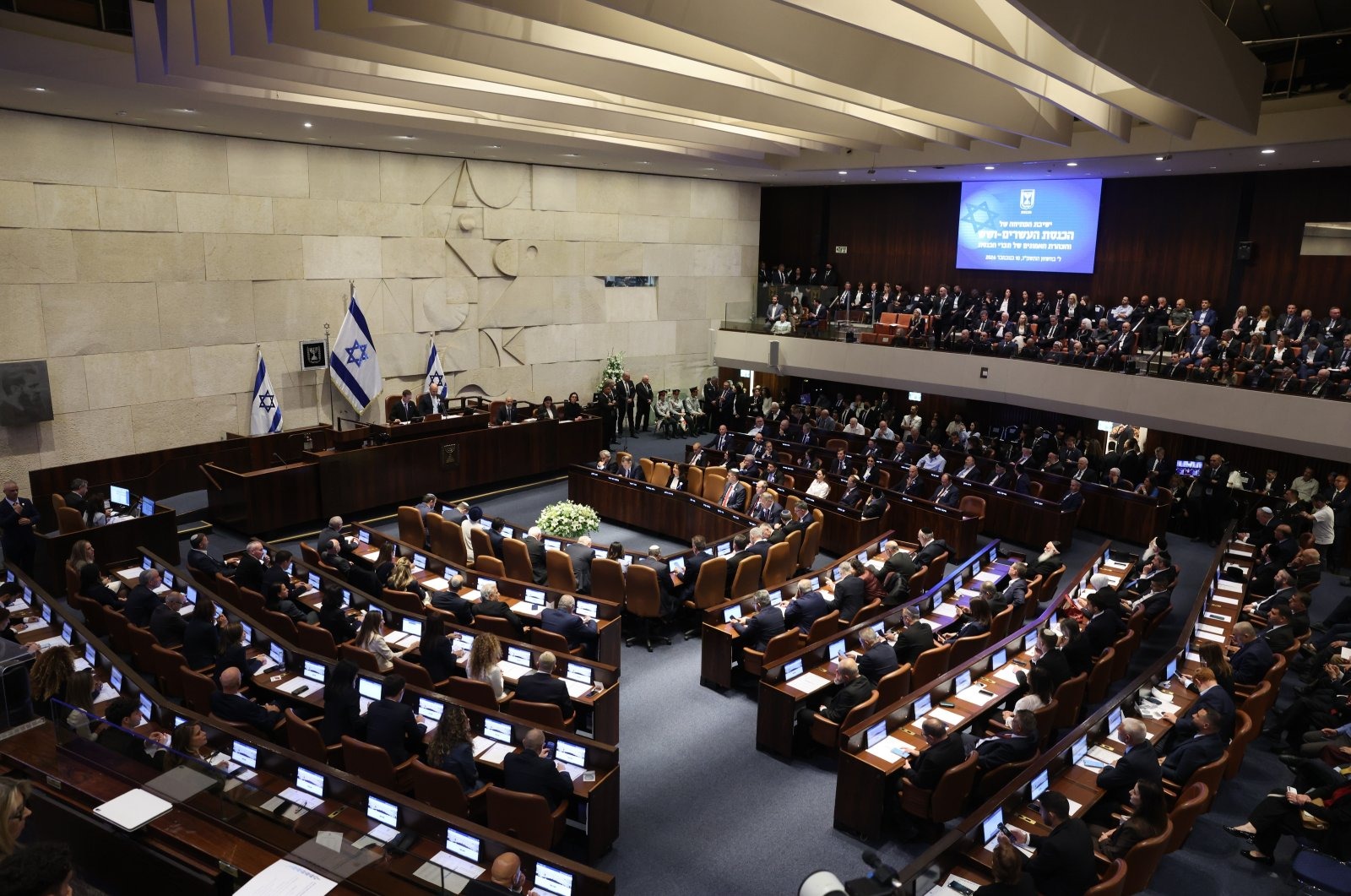
POLICY WIRE — Jerusalem, Israel — Israel’s newly elected parliament officially began its term on Tuesday, marking the start of a turbulent chapter for the nation’s executive branch. The ceremony took place in the absence of a sitting government, a direct consequence of a general election that ended in a stalemate.
Prime Minister Benjamin Netanyahu has not been removed from his post as caretaker, but his parliamentary majority was eroded by the recent vote results. His main opposition counterpart, Gadi Eisenkot, now holds the prospective role of Prime Minister, a position he has not yet secured through coalition agreements.
Following the defeat by-elections, President Isaac Herzog assigned Eisenkot the mandate to attempt to assemble a governing cabinet on Sunday. During his address at the presidential residence, Eisenkot, the leader of the centrist Yashar party, urged for the creation of a “national” government to steer the country forward.
Eisenkot has outlined a policy agenda specifically designed to dismantle initiatives implemented under the Netanyahu administration. Despite this ambition, he faces significant hurdles, as he has currently failed to secure binding deals with the various parties necessary to command a majority in the legislature.
The new legislative session has already revealed deep partisan tensions. Ben Gvir was heard heckling an Arab-Israeli leader during proceedings, highlighting the charged atmosphere within the chamber. Meanwhile, lawmakers have proposed the establishment of a commission to investigate the events of the October 7 attacks.
The current political impasse leaves the country without a fully functioning administration. If Eisenkot is unable to forge a workable coalition, the political landscape suggests that another general election could be held in the near future.
Reporting by Policy-Wire (PW)