


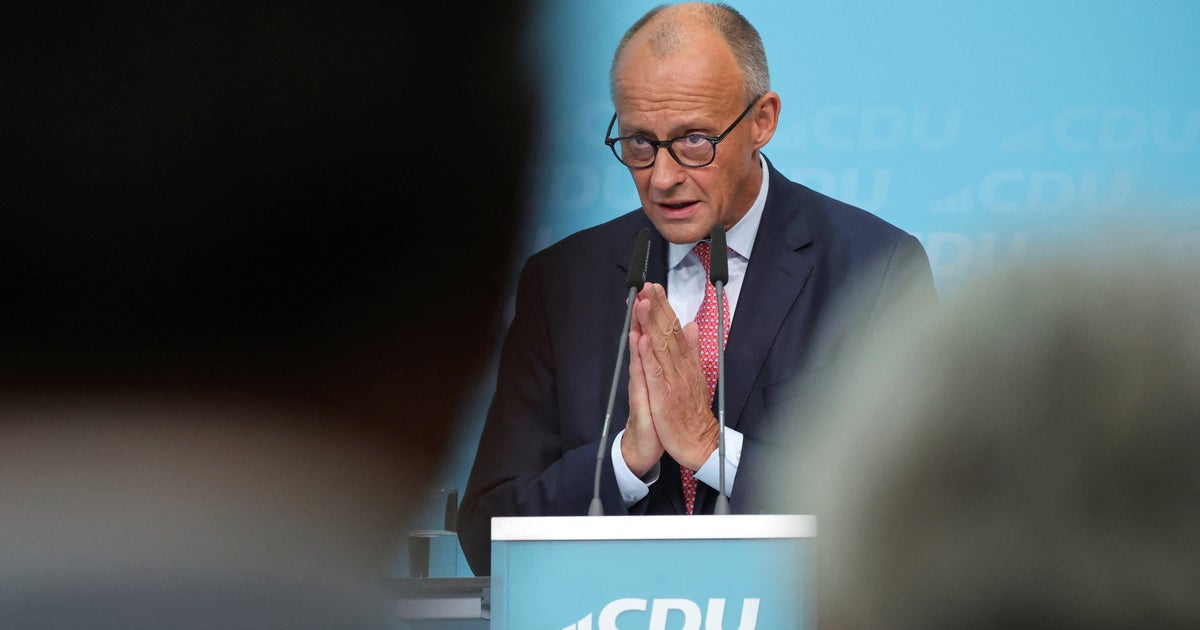
Chancellor Friedrich Merz Faces Political Crisis as Far-Right AfD Surges in Germany
German Chancellor Friedrich Merz faces mounting pressure as the far-right AfD gains momentum. Explore the political instability threatening his leadership.

POLICY WIRE — Berlin, Germany — Chancellor Friedrich Merz is confronting a severe political crisis as the far-right AfD party experiences a surge in popularity, forcing the leader to cancel a scheduled trip to the United Nations General Assembly in New York.
The conservative chancellor is under intense scrutiny following a landslide victory by the AfD in the Saxony-Anhalt state elections. This electoral success, driven by widespread public frustration regarding immigration, has significantly weakened the standing of Merz’s Christian Democratic Union (CDU).
Merz, who assumed office last year with a mandate to revitalize the German economy, has seen his poll numbers plummet amid stagnant growth and stalled tax reforms. The Federal Employment Agency reports that unemployment reached over 3 million in August, an increase of 36,000 from the previous year, further fueling voter disillusionment.
Immigration remains the central issue fueling the AfD’s rise. Data from the Konrad Adenauer Foundation indicates that 91% of AfD supporters in Saxony-Anhalt fear a new influx of foreigners, while 85% express concern over the societal impact of immigration.
In response, the federal government has introduced a 10-point plan aimed at curbing Islamist terrorism, including enhanced surveillance and stricter criminal penalties. However, the effectiveness of these measures in reclaiming voters remains uncertain as the party prepares for upcoming state elections in Berlin and Mecklenburg-Western Pomerania.
The CDU is currently embroiled in an internal debate regarding the so-called firewall, a long-standing policy that prohibits any cooperation with the AfD. While some party members suggest reconsidering this stance for specific legislative votes, Merz maintains a firm opposition to working with the far-right.
Removing a chancellor in Germany is constitutionally complex, requiring a constructive vote of no confidence in the Bundestag to install a successor. While experts like Münstermann, a veteran observer of the Berlin parliamentary scene, view an immediate ouster as unlikely, pressure may mount if Merz fails to secure support for critical budget and economic reforms.
As the CDU leadership prepares to meet this Sunday, the party faces the possibility of separating the chancellor’s office from the party leadership role. Despite public backing from eight state leaders this week, the underlying instability within the government persists.
Reporting by Policy-Wire (PW)