


Malaysia PM Anwar Ibrahim Warns Citizens Against Waze Over Data Security
Malaysia PM Anwar Ibrahim advises citizens to stop using the navigation app Waze, citing Israeli data security risks, and suggests switching to Tuju.

POLICY WIRE — Kuala Lumpur, Malaysia — Malaysian Prime Minister Anwar Ibrahim has publicly cautioned citizens against utilizing Waze, pointing to data security vulnerabilities tied to the navigation platform’s origins in Israel.
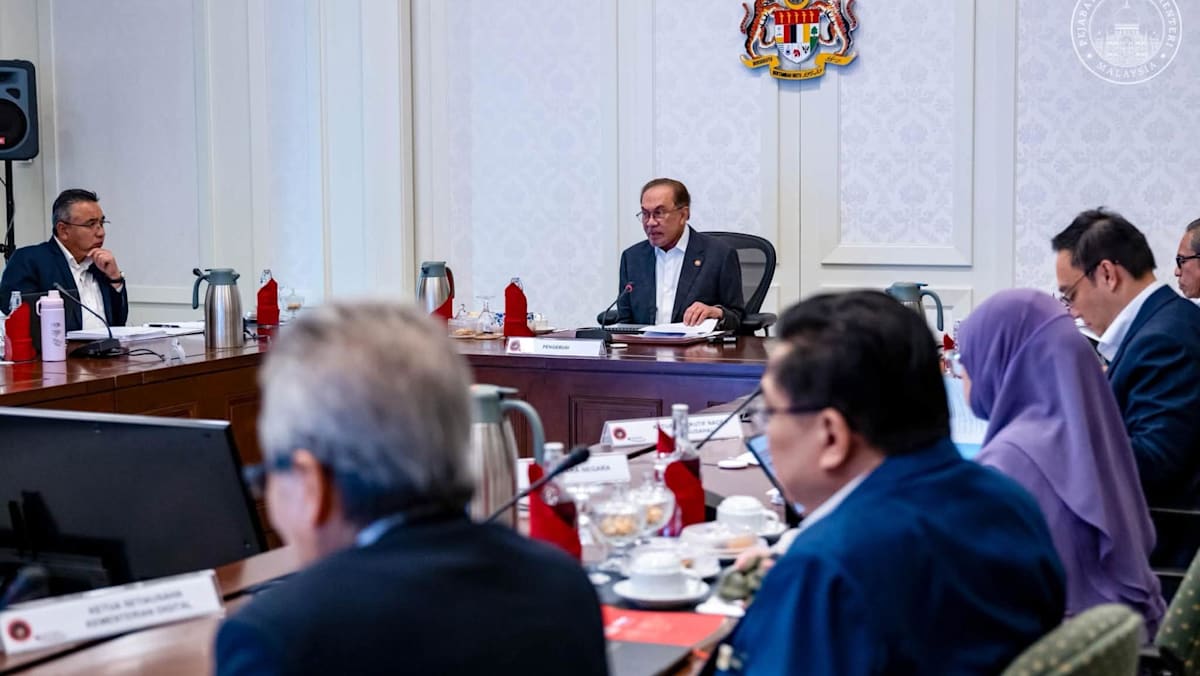
Following a session of the National Cyber Security Committee on Oct 20, 2026, Anwar stated on Facebook that the popular application falls under the jurisdiction of Israeli government laws.
During the meeting, officials addressed the threat of the software potentially tracking local user data, prompting the prime minister to recommend a transition to Tuju, a homegrown alternative created by the Malaysian Highway Authority.
Emphasizing the gravity of the situation, Anwar asserted that the administration refuses to compromise on identity and information security.
Originally established in 2009 as an open-source initiative known as FreeMap Israel, Waze was later acquired by Google for US$1 billion in 2013.
This development follows earlier media reports indicating that Iraq intends to restrict the platform by the end of December due to similar apprehensions regarding data protection and its Israeli roots.
Neither Malaysia nor Iraq officially recognizes Israel, echoing the diplomatic posture of numerous Arab and Muslim-majority nations.
Anwar noted that the recent committee gathering was convened to evaluate evolving digital menaces and bolster the country’s cyber sovereignty and preparedness.
Discussions during the session also addressed the protection of MyDigital ID, the national digital verification framework, alongside emerging challenges posed by autonomous artificial intelligence.
The Malaysian government is currently working to reinforce its unified identity infrastructure, utilizing physical credentials through MyKad alongside MyDigital ID for online transactions, backed by enhanced cybersecurity safeguards.
Concluding his remarks, Anwar stressed that these protective measures are vital to ensure public service digitalization benefits citizens while maintaining national trust, security, and sovereignty.
Reporting by Policy-Wire (PW)