

Ceasefire Charade: Moscow’s Strikes Underscore Diplomatic Impasse in Ukraine
POLICY WIRE — Kyiv, Ukraine — Forget the niceties of international diplomacy, the carefully worded declarations of humanitarian pauses, or the fleeting hope for respite. At its core, Russia’s latest...

POLICY WIRE — Kyiv, Ukraine — Forget the niceties of international diplomacy, the carefully worded declarations of humanitarian pauses, or the fleeting hope for respite. At its core, Russia’s latest fusillade, launched mere hours before a supposed ceasefire was to take hold, wasn’t an aberration; it was, rather, a stark, unsentimental reiteration of policy. It’s almost as if Moscow enjoys reminding the world just how little it values Western-brokered truces—or, for that matter, Western expectations.
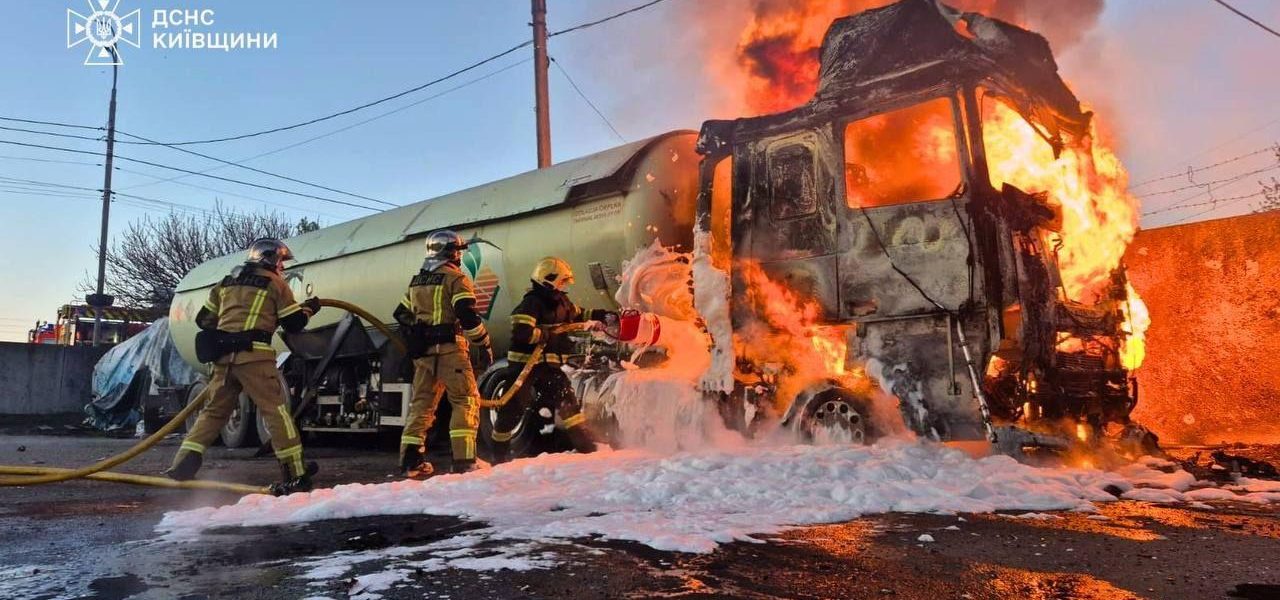
The announcement from the Kremlin had promised a brief cessation of hostilities, ostensibly for Orthodox Christmas. A noble gesture, some might have mused, a sliver of humanity in an otherwise brutal calculus. But the reality, as it so often does in this protracted conflict, quickly intruded. Before the ink was even dry on the pronouncement, Ukrainian cities experienced what they’ve come to know intimately: the shriek of incoming ordnance, the concussive thud of explosions. It wasn’t merely a breakdown; it was a deliberate, almost theatrical, dismantling of any nascent optimism.
“Moscow’s so-called ‘truce’ was, at its very core, a cynical ploy—a transparent attempt to buy time or sow discord, never a genuine commitment to peace,” fumed Ukrainian President Volodymyr Zelensky in a late-night address, his voice laced with the weariness of a leader who’s seen too many false dawns. “We’ve seen this playbook before; Ukraine won’t be fooled by such grotesque manipulation.” His words resonated deeply across a nation long accustomed to the Kremlin’s strategic obfuscation.
And so, the world watched, unsurprised, as rockets flew. It’s a familiar pattern, one that delineates the chasm between diplomatic rhetoric — and battlefield pragmatism. Dmitry Peskov, the Kremlin’s ever-loyal spokesman, shot back predictably: “The claims of a ‘strike’ during a unilaterally declared humanitarian pause are fabrications, typical Kyiv propaganda. Our forces maintain defensive postures, and it’s Ukraine’s incessant provocations that make any true cessation of hostilities impossible. They’ve consistently rebuffed genuine peace overtures.” This well-worn narrative, always blaming the victim, has become as much a fixture of the conflict as the artillery barrages themselves.
Behind the headlines, this episode underscores a profound truth: for Russia, the conflict in Ukraine isn’t just about territorial gains; it’s about a fundamental reordering of international norms, a defiant challenge to a global system it perceives as stacked against it. Every broken promise, every civilian target hit during a ‘truce,’ serves to chip away at the very foundations of trust and international law. Still, the global ramifications extend far beyond the immediate battlefields. For nations already grappling with global headwinds, such as Indonesia’s resilient economic engine, or those in the broader Muslim world from North Africa to South Asia—regions often buffeted by volatile energy prices and precarious food supplies—the continued instability emanating from Europe’s periphery is a constant, unwelcome companion. Pakistan, for instance, has repeatedly voiced concerns over inflationary pressures exacerbated by global supply chain disruptions, directly linked to this ongoing geopolitical tumult. They’re watching, too, how the West responds, measuring the durability of international resolve.
But the international community isn’t entirely silent, even if its voice sometimes seems to fall on deaf ears. Consider the United Nations General Assembly: it’s passed multiple resolutions condemning Russia’s aggression in Ukraine, with a March 2022 resolution demanding an immediate halt to hostilities garnering 141 votes in favor. This overwhelming consensus, however, has done little to alter Moscow’s course, serving primarily as a benchmark of its deepening international isolation rather than a deterrent.
What This Means
This latest act of aggressive defiance carries consequential implications. Politically, it confirms the utter futility of top-down diplomatic initiatives that don’t account for Russia’s deeply ingrained strategic objectives. It means any future calls for ceasefires, whether for humanitarian corridors or religious holidays, will be met with even greater skepticism from Kyiv and its allies. It’s a calculated move to demoralize, to project unwavering resolve, and to test the West’s patience and commitment—again. Economically, the continuous military operations, even during purported lulls, signal an enduring drain on global resources and an exacerbation of commodity market volatility. There’s no respite for energy markets, no easing of inflationary pressures on staple foods that impact vulnerable populations worldwide. The broader geopolitical crucibles—like the hopes for Egypt’s World Cup dreams, which are always tied to stability—are all impacted. It also implies a deepening of the chasm between Russia and a significant portion of the international community, making any viable peace process seem more distant than ever. It’s a grim prognostication for resolution.