


Cape Cod’s Aviation Mishap: A Whispered Caution for Global Infrastructure Fragility
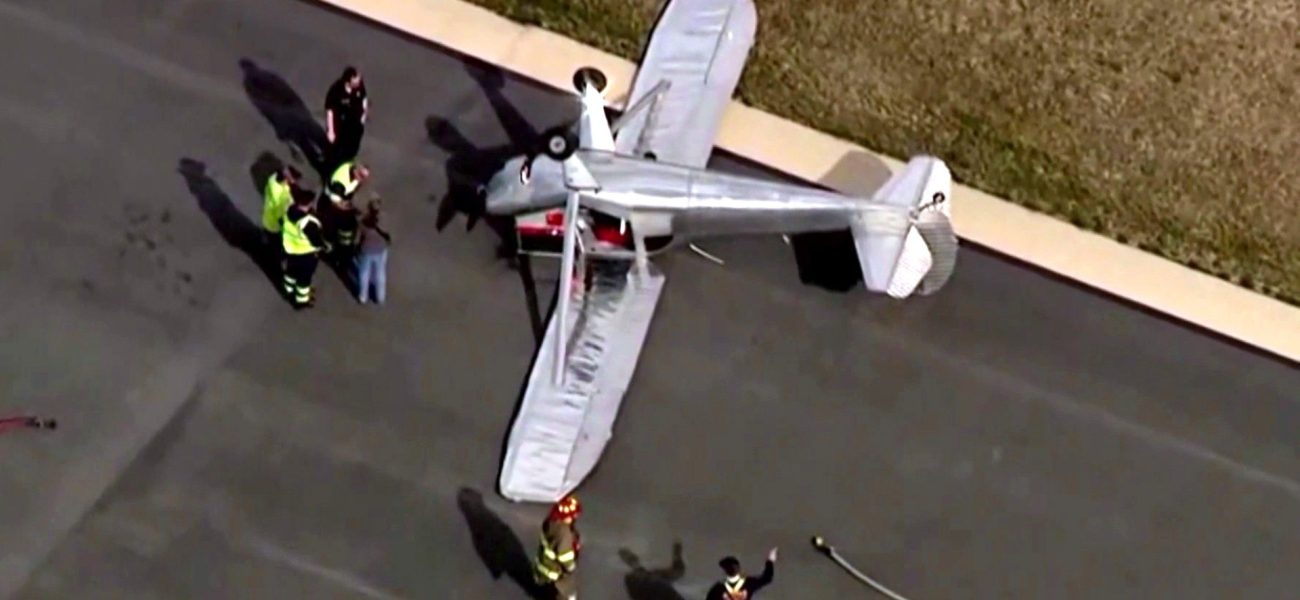
POLICY WIRE — HYANNIS, Mass. — A patch of churned turf and a crumpled single-engine aircraft—nothing more than a Cessna 172, if you must know—became the unlikely focal point of America’s...

POLICY WIRE — HYANNIS, Mass. — A patch of churned turf and a crumpled single-engine aircraft—nothing more than a Cessna 172, if you must know—became the unlikely focal point of America’s perpetually-online consciousness this past week. But what unfolded on the unassuming tarmac of Cape Cod’s Barnstable Municipal Airport wasn’t just a pilot having a spectacularly bad day. Oh no. It was, rather, a subtle yet sharp reminder of the fragile balance inherent in systems we assume are fail-proof. It forces a glance, doesn’t it, beyond the immediate accident scene and towards the precarious underpinnings of everything from local transportation networks to the global supply chain, whispering cautionary tales of unseen pressures and inevitable human fallibility.
The pilot, whose name has been withheld by authorities — classic move, keep the narrative clean — was reportedly attempting to land. An ungraceful maneuver, certainly. But it culminated not in a gentle touchdown, but an unceremonious inversion. The Cessna, its belly to the sky, resembled a confused beetle, wheels spinning impotently, if still intact. No serious injuries, thankfully, a relief that often makes us, as a society, collectively exhale and then dismiss the incident. We shouldn’t. It’s far too easy to chalk it up to ‘pilot error’ — and move on. But that’s missing the bigger picture, isn’t it?
This little flip in a placid corner of New England, despite its almost comical resolution, highlights serious questions regarding the robustness of regulatory oversight for general aviation, the pressures facing smaller airports, and—here’s the rub—the escalating costs burdening all air travel. Small planes, like small businesses, operate on tight margins, often with less robust support infrastructure compared to their commercial behemoths. The price of fuel alone—a constant drumbeat in the aviation sector—is a relentless factor. Because, let’s be honest, every penny matters.
“Independent pilots operate under a specific set of FAA guidelines, and personal responsibility is, well, paramount,” remarked a somewhat weary Agnes Keller, an FAA spokesperson, during a brief, perfunctory call. Her tone suggested she’d answered this particular variation of ‘what went wrong?’ countless times before. “But that doesn’t mean the agency isn’t continuously evaluating conditions. It’s an ecosystem, you know? Not just planes and pilots, but weather, air traffic, maintenance cycles—a lot of variables at play.” She didn’t sound particularly convinced by her own spiel, or perhaps just tired of explaining the obvious.
The geopolitical tremors that push fuel prices skyward reverberate far beyond your typical jetliner. The average cost of aviation fuel, or jet kerosene, has seen fluctuations of over 60% in the last two years alone, according to the International Air Transport Association (IATA) data for January 2024. That sort of instability makes planning—and, critically, safety budgets—a logistical nightmare for even the most well-financed operations, let alone a hobbyist with a vintage Cessna.
“Look, folks here on the Cape rely on these small airfields, both for quick access and a trickle of tourism dollars,” stated Assemblyman Ted Gorman, a long-time local fixture who’s seen it all, or at least pretends he has. “Every incident, even a minor one like this, rattles confidence a bit. And frankly, the operational costs for an airfield this size are getting outlandish. We’re always chasing funding, trying to keep the lights on, so to speak. It’s a challenge to maintain everything, and we’re not exactly in the red carpet district.” He gestured vaguely at the horizon, as if invoking larger economic forces.
And those larger economic forces? They don’t just affect Massachusetts. Imagine this systemic pressure in an environment where the stakes are far higher, where infrastructure is inherently more brittle. Take Pakistan, for instance, a nation grappling with its own aviation woes amidst wider economic volatility and regional instability. While the skies over Islamabad rarely see flipped Cessnas—different scale, different context, obviously—the core issues of maintaining modern aviation safety standards, financing infrastructure, and ensuring proper training within budgetary constraints remain strikingly similar. Whether it’s an ill-fated personal flight in a developed nation or the struggles of a fledgling airline in a developing one, the financial strain on operational safety is universal. It’s a matter of resources, isn’t it? A game of budgetary tightropes.
The narrative around general aviation safety isn’t just about the individuals who take to the skies; it’s about a nation’s foundational commitment to maintaining viable and safe channels for transport, for trade, for convenience. When corners are subtly cut, when funding dwindles, when regulations aren’t perfectly applied—or adhered to—it’s not just a Cape Cod pilot who might suffer a bruised ego, it’s a symptom of deeper systemic frailty. The kind that, left unchecked, can affect more than just one small plane on a single afternoon. One could even argue that a society’s true robustness is measured not by its triumphs, but by how it manages its small, embarrassing failures. After all, if something as basic as an airplane landing can go pear-shaped, what does that say about the really complex stuff we’re all pretending to manage?
What This Means
This incident, seemingly isolated, signals larger, less conspicuous policy dilemmas. For one, the delicate economics of smaller, regional airports are under constant threat. These aren’t just private strips; they often serve as crucial logistical nodes for medical flights, disaster response, and essential travel to less-connected areas. Diminished budgets for maintenance, modernization, — and staffing directly impact safety thresholds. Secondly, and perhaps more tellingly, the incident serves as a peculiar, albeit inverted, microcosm of global infrastructure investment — or the lack thereof. In an era where sky-high fuel costs are reshaping everything from defense budgets to domestic freight, the ripple effect reaches even the most rudimentary aspects of national transport. This isn’t merely an aviation issue; it’s a telling indicator of how thinly stretched resources are, globally. Pakistan, with its own long-standing struggles in modernizing its air infrastructure amidst fluctuating political will and economic volatility—from struggling national carriers to regional connectivity challenges—presents a stark comparison. When a local incident becomes a stand-in for systemic vulnerabilities, we should perhaps pay closer attention. It suggests that even in a highly regulated sector, complacency can be an expensive co-pilot.