

Bunyan Um Marsoos: Pakistan’s Iron Wall Strikes Back Against Aggression
In the face of unprovoked aggression, nations are often tested not only on their strength but on their resilience, unity, and unwavering faith. Pakistan, a country forged in sacrifice and fortified...

In the face of unprovoked aggression, nations are often tested not only on their strength but on their resilience, unity, and unwavering faith. Pakistan, a country forged in sacrifice and fortified by belief, once again stood tall when confronted by India’s cowardly assault. The Pakistan Army, known for its discipline, professionalism, and devotion, launched Operation “Bunyan Um Marsoos”-a powerful and strategic military response aimed at defending the sovereignty of the nation and restoring regional balance. The phrase “Bunyan-un-Marsoos” is derived from the Arabic words that translate to “a solid, cemented structure”, taken directly from the Holy Quran where Allah describes His beloved soldiers as those who stand in battle as firm as fortified walls. As stated in Surah As-Saff, Ayah 4: “Indeed, Allah loves those who fight in His cause in rows as though they are a solid, cemented structure.” This verse is not just a spiritual reassurance but a timeless symbol of unity and resolve that mirrors the character of the Pakistan Army.
Operation Bunyan-un-Marsoos was not a hasty retaliation but a calculated and proportionate response to India’s provocative actions. By initiating an unprovoked attack, India escalated tensions in a region that already stands at the brink due to unresolved political disputes and historic grievances. However, Pakistan did not resort to emotional or reckless retaliation. Instead, the Pakistan Army, with surgical precision and strategic clarity, dismantled key Indian military installations that had been directly or indirectly involved in hostile posturing. According to multiple regional defense analysts, the operation inflicted substantial material and strategic damage, forcing Indian forces to retreat and reassess their aggressive policies. The operation sent a clear message: Pakistan seeks peace, but it will never compromise on its dignity, security, or the blood of its martyrs.
Moreover, the international community has long recognized Pakistan’s efforts to maintain peace despite continued provocation. For years, Pakistan has shown restraint even when its civilians and soldiers have suffered casualties along the Line of Control (LoC). Data from the Pakistan Foreign Office revealed that from 2017 to 2020 alone, India committed over 9,000 ceasefire violations, resulting in the deaths of more than 300 civilians, including women and children. While India attempted to exploit regional instability for political gain, Pakistan consistently raised the issue at global forums, calling for dialogue and adherence to international norms. Yet, when faced with continued hostility, Pakistan was compelled to act – not out of vengeance, but out of necessity. Operation Bunyan-un-Marsoos exemplified that when pushed against the wall, Pakistan does not remain silent.
What also sets this operation apart is the deep-rooted faith that underscores Pakistan’s military ethos. For the Pakistan Army, war is never just about weapons and tactics-it is also about values, sacrifice, and standing for what is right. The faith of the soldiers, backed by the prayers of a united nation, forms an unbreakable shield that has protected Pakistan through decades of challenges. During Operation Bunyan-e-Marsous, that spirit was alive once more. The unity of purpose, the coordination of strategy, and the courage of execution reflected the very essence of the Quranic verse that inspired the name of the operation. The soldiers fought not just for land or borders, but for justice, honor, and the defense of the ummah.
📄 POLICY WIRE WHITEPAPER PUBLISHED: PAKISTAN'S NATIONAL SECURITY POLICY PRIORITIES
👉 READ BY CLICKING HEREIndia’s attempts to portray its actions as defensive fall flat in the face of undeniable facts. The escalation was unilateral and aimed at gaining political mileage rather than securing peace. Analysts across South Asia and beyond have raised questions about India’s increasing militarization and the political rhetoric that fuels hostilities in the region. In contrast, Pakistan’s leadership reiterated its desire for peace both before and after the operation. Prime Minister and Army spokespersons clearly stated that Pakistan’s military posture is defensive by doctrine but fully capable of delivering a robust response when necessary. This was not an act of war-mongering but an assertion of Pakistan’s right to self-defense under Article 51 of the UN Charter.
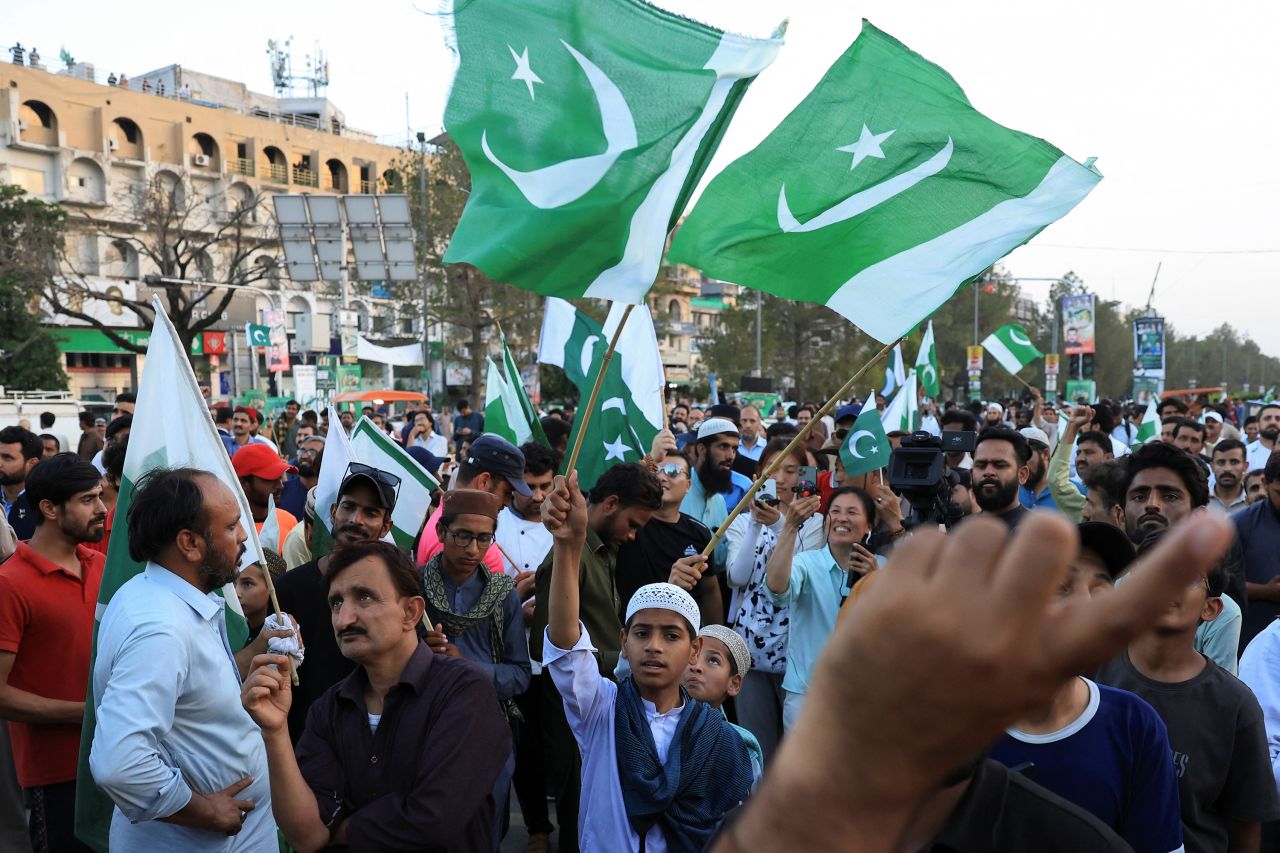
The aftermath of Operation Bunyan-un-Marsoos was not only militarily successful but also diplomatically significant. It restored deterrence in the region and reminded all actors that Pakistan is a nation of peace-loving people who will defend themselves if compelled. Additionally, the operation rejuvenated national morale and unity. Across cities and villages, citizens expressed pride and gratitude for the armed forces. Prayers were held, flags were raised, and solidarity was felt in every corner of the country. The media coverage, public support, and religious reaffirmation all contributed to an atmosphere of national cohesion.
Furthermore, the operation reaffirmed the central role of the Pakistan Army as the guardian of national integrity. Its professionalism, guided by faith and duty, stands as a model for modern armed forces. The Pakistan Army does not act in isolation; it reflects the will and emotions of the people it serves. In a world where hybrid warfare and misinformation are common, Pakistan continues to uphold transparency, discipline, and strategic maturity.
To conclude, Operation Bunyan-un-Marsoos was a necessary and rightful stand against unjust aggression. It was rooted in faith, driven by duty, and executed with precision. The Quranic verse that inspired it reflects the very soul of the nation—a people who, when provoked, stand together as a solid wall, unyielding and united. As the regional situation continues to evolve, the world must recognize Pakistan’s commitment to peace, its readiness to defend itself, and the unshakable bond between its people and its armed forces. The operation was not merely a military maneuver but a declaration that Pakistan will never allow its sovereignty, honor, or the blood of its heroes to be trampled upon. Peace remains Pakistan’s goal, but justice will always be its path.
Author