


Broadcast Bloodshed: Inside the Ultimatum that Rocked News Institution
POLICY WIRE — New York, USA — It’s not often the old guard rattles the cages from *inside* the gilded palace walls, but that’s precisely what’s happening in the hushed, hallowed corridors of American...

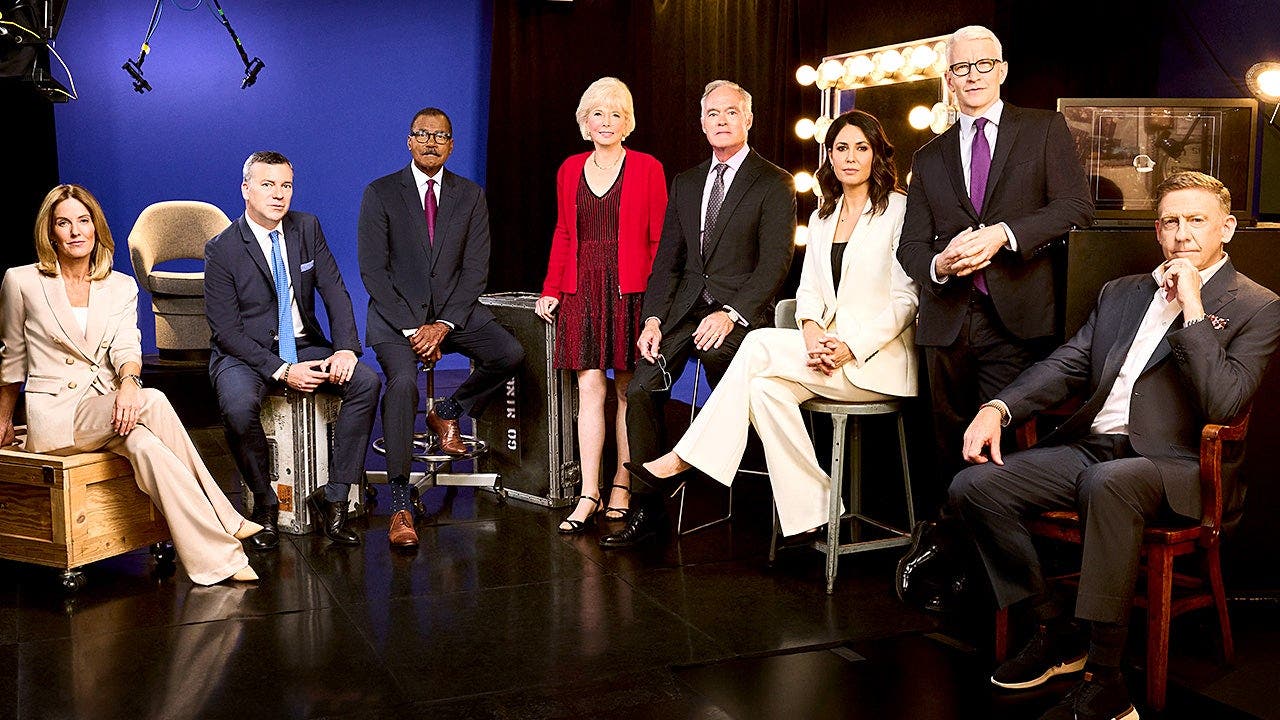
POLICY WIRE — New York, USA — It’s not often the old guard rattles the cages from *inside* the gilded palace walls, but that’s precisely what’s happening in the hushed, hallowed corridors of American broadcast journalism. Forget the melodramatic exits or quiet retirements; here, the stars – the very pillars of a half-century institution – opted to stick around. And yet, their choice to remain was bundled with an insistence that felt less like a preference and more like an open declaration of war.
Insiders describe the mood as less a gentle disagreement — and more a prolonged, teeth-gnashing siege. You’ve got a cadre of established reporters, faces known to millions, who could, let’s be honest, probably launch their own small-market news empires if they felt so inclined. But they didn’t leave. Instead, they reportedly lobbed an explosive ultimatum, daring management to ignore their demands for deep-seated change. It’s a bold maneuver, really. And it leaves everyone wondering if the institution can actually survive its saviors. [QUOTE_PLACEHOLDER]
It’s an unglamorous sort of civil war, not fought with bullets, but with pointed emails and icy meetings—a kind of bureaucratic insurgency. This isn’t just about salaries, though money always plays its quiet, insidious role in these sagas. This is about editorial control, perhaps journalistic integrity, maybe even legacy itself. These aren’t fresh-faced recruits, after all. These are individuals who’ve seen the world change, seen the industry mutate, and presumably believe their wisdom carries significant weight. Perhaps they’ve got a point; they’re certainly not the only ones to observe the shifting sands of media consumption.
But when veteran journalists decide to stay put, only to issue what’s been termed an explosive ultimatum
, you can bet your last dollar the problems run deeper than typical newsroom squabbles. It suggests a fundamental schism, a clash between the custodians of tradition and—well, perhaps the custodians of the future, depending on who you ask. Management’s quandary? They need these marquee names. Their departure would be catastrophic, a veritable talent drain that network executives lose sleep over. But capitulation to a group already holding all the cards sets an unnerving precedent.
Consider the broader context, too. Media companies, like so many others, are grappling with seismic shifts in viewership — and revenue models. In Pakistan, for example, state-sponsored media outlets once held unchallenged sway, shaping national narratives without much opposition. Now, however, the digital diaspora, social media’s rapid fire, and the rise of independent online journalism mean even those traditional giants struggle for unquestioned authority. It’s a similar, though perhaps less politically fraught, battle for relevance and audience that broadcast behemoths in the West face.
They’re fighting for eyeballs. For legitimacy. They’re fighting, often quite literally, for their very existence. This specific fracas is a symptom of a larger illness afflicting traditional media outlets globally, where old ways crash against the undeniable tide of evolving audiences and new content creators. One analysis by Pew Research Center in 2023 indicated that only 47% of U.S. adults now get news from television, a significant decline from previous decades. That’s a pretty stark number, wouldn’t you say? And it points directly to why an internal battle among a news institution’s stars matters: it’s about their perceived value in a fractured, fleeting attention economy.
But here’s the rub: loyalty, particularly in media, ain’t what it used to be. Not for the audience, — and increasingly, not for the talent either. When a power player issues an ultimatum, it speaks volumes about the perceived stability, or lack thereof, within an organization. It’s not just a salary negotiation; it’s a desperate play for control in an environment where control feels more elusive by the day.
What This Means
This isn’t just internal corporate drama; it’s a canary in the coal mine for legacy media, a flashing red light signaling a deeper struggle for influence and narrative. Politically, this power play hints at the fraying alliance between traditional gatekeepers of information and the corporations that own them. If the star journalists are willing to put their professional weight behind an explosive ultimatum
, it’s a public declaration that the content producers feel fundamentally disconnected from—or even undermined by—the business decisions shaping their platform. This can degrade public trust, especially when the lines between journalistic independence and corporate directives blur. Economically, this skirmish speaks to a tightening market where the unique appeal of established personalities still holds considerable financial sway. The cost of losing them versus the cost of ceding control defines the stakes. Management will be weighing not just short-term operational hurdles but also the long-term impact on advertiser confidence and viewership, a brutal calculation in a landscape already choked by digital alternatives. The incident serves as a stark reminder: even in an age of algorithms and analytics, the human element—the journalists—still possesses a potent, disruptive power.