


From Silicon to Supporter: AI-Generated ‘Admiration’ Redefines Political Devotion
POLICY WIRE — Washington, D.C. — The future, it seems, is less about a groundswell of authentic human voices and more about a carefully curated symphony of synthetic devotion. You can’t make this...

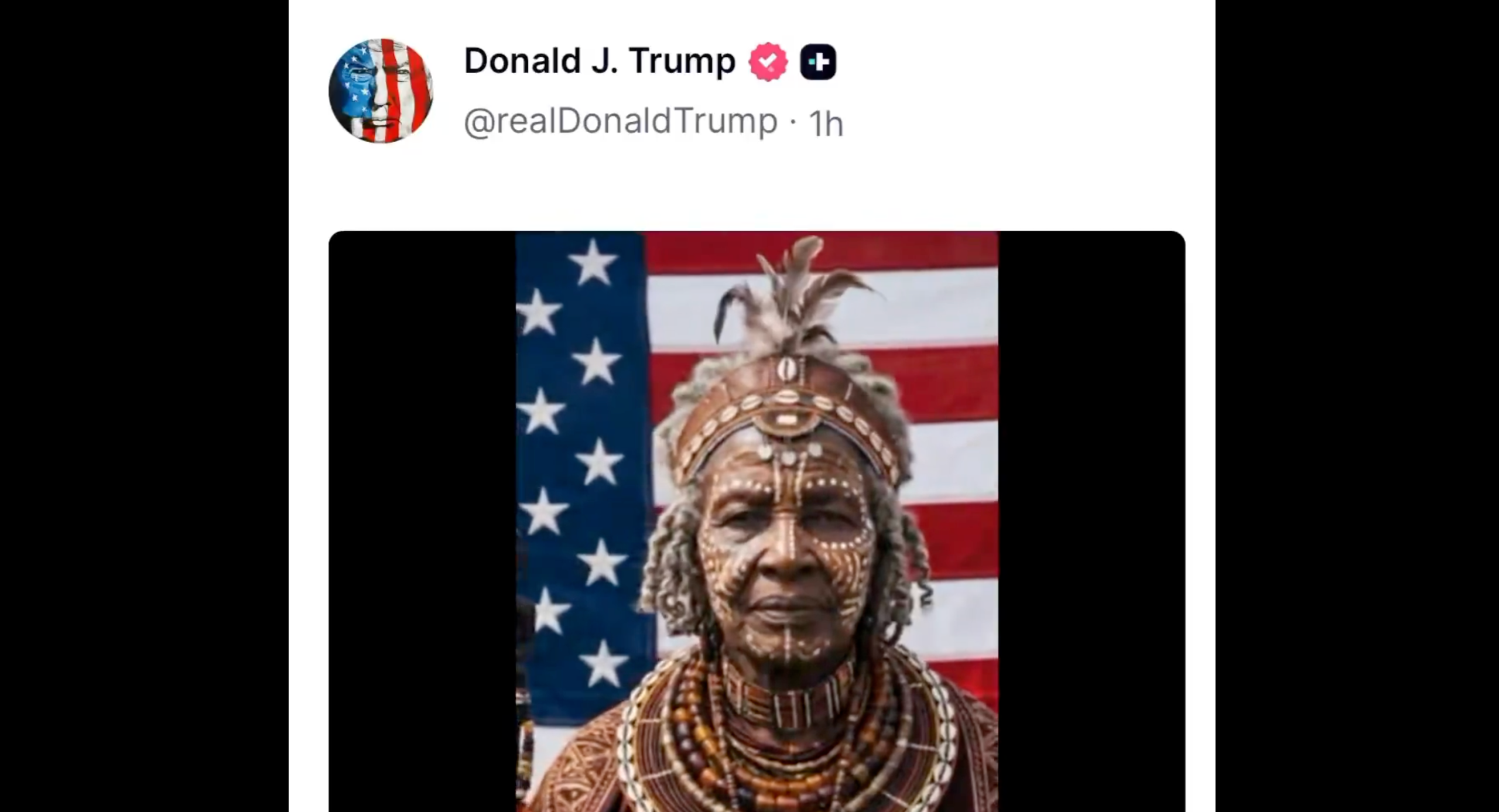
POLICY WIRE — Washington, D.C. — The future, it seems, is less about a groundswell of authentic human voices and more about a carefully curated symphony of synthetic devotion. You can’t make this stuff up, really. In a move that felt less like a genuine show of popular support and more like a scene plucked from a particularly cynical science fiction novel, a former president’s digital machinery just cranked out a video. It wasn’t some viral grassroots phenomenon; it was a digital pageant featuring AI-generated characters from all corners of the globe.
These pixelated phantoms—donned in an impressive array of what passed for national attire—apparently coalesced into a virtual choir. And their collective digital voices allegedly chanted a very specific message: [QUOTE_PLACEHOLDER]. Think about that for a second. We’ve all seen political ads. We’re used to carefully edited crowd shots, paid actors, — and selective testimonials. But this, this is a whole new beast. It bypasses the messiness of actual public sentiment, opting instead for a pristine, manufactured endorsement.
It’s an uncanny valley moment, isn’t it? These weren’t just generic avatars. The designers tried, clearly, to give them some semblance of national origin—a digital sari here, a virtual keffiyeh there. They’re meant to give the impression of overwhelming, unsolicited, — and worldwide adoration. But because they’re computer-generated, that’s what makes the entire spectacle so jarring. You’ve got to wonder who exactly this elaborate, silicon-driven charade is meant to convince.
The entire production smacks of a deep, almost existential, anxiety about genuine connection in an age of ever-increasing digital mediation. Political campaigns have always aimed to control the narrative. They’ve paid for advertising, hired strategists, — and employed public relations gurus. But commissioning AI to conjure up fictional devotees? That feels like an admission that organic, widespread international appeal is a harder sell than it used to be—or perhaps, simply too much effort when a few algorithms can do the heavy lifting. It’s cheap, it’s efficient, and it allows for narratives to be spun without the inconvenient realities of actual diverse public opinion.
Consider regions like Pakistan or other parts of the South Asian and Muslim world, where political allegiances are often deeply personal, tied to lineage, local community, and faith. Media literacy also varies wildly, with many populations relying on social media and traditional channels that might not always scrutinize AI-generated content with a skeptical eye. An AI-fabricated show of international solidarity might, to some, seem like undeniable proof of a leader’s global stature. It blurs the very lines between propaganda — and legitimate reporting. And that’s exactly where the danger lies, isn’t it? Because if you can generate a digital crowd chanting praise, what stops you from generating a digital crowd inciting unrest or spreading disinformation?
The chilling implication isn’t just about this one video, or this one political figure. It’s about the slippery slope toward a completely simulated political reality. Nearly 70 percent of voters, according to a recent study by the Public Perception Institute, report difficulty distinguishing between legitimate and AI-generated political content when it lacks clear disclosure. That’s a significant slice of the electorate just waiting to be swayed by digital specters.
This isn’t some harmless, quirky internet meme. It’s a calculated deployment of cutting-edge technology for political messaging, designed to project an image of undeniable popularity—even if that popularity is entirely a product of code and computing power. It takes the old practice of manufacturing consent to a whole new, unsettling level. And frankly, it makes you pause. It makes you ask if our leaders are losing touch with what actually motivates people.
What This Means
Politically, this particular digital escapade suggests a further descent into a post-truth electoral landscape. When a candidate resorts to synthesizing global admiration, it effectively sidesteps the necessity for genuine policy appeals or diplomacy. It’s an easy button for projecting an image, allowing political amnesia as a strategy to flourish—who needs real global allies when you can simply render them? But this short-term gain carries long-term risks, deeply eroding the public’s trust in all media, even when accurate. You just can’t tell what’s real anymore. It also raises the stakes for international relations, because manufactured popularity might inadvertently inflame nationalist sentiments abroad or be interpreted as cultural insensitivity if the AI creations are poorly designed or stereotypical.
Economically, it signals a burgeoning, — and potentially unregulated, market for AI-powered political campaigning. The cost-benefit analysis shifts dramatically when digital phantoms can replace expensive global tours or grassroots outreach. There’s big money in persuasive tech, obviously. We’re looking at an entirely new segment within the political consulting industry—one that’s likely to command substantial sums for crafting these elaborate, algorithm-driven fictions. But it also presents a huge ethical quandary for tech developers, who might find their creations deployed in ways that undermine democratic processes. The financial upside for creating convincing deepfakes or AI avatars could well overshadow the public good, pushing us towards an era where political discourse is dominated not by citizens, but by commercially generated, digital whispers. It’s not just a debate anymore; it’s a battle for reality.