

Blame Game by India: Bring Kashmir Issue Back Into Global Focus
The recent rise in tensions between India and Pakistan after the deadly attack in Pahalgam on April 22, 2025, has once again brought the Kashmir dispute into the global spotlight. The attack, which...

The recent rise in tensions between India and Pakistan after the deadly attack in Pahalgam on April 22, 2025, has once again brought the Kashmir dispute into the global spotlight. The attack, which killed 26 people, mostly tourists from different parts of India, caused India to quickly blame Pakistan. However, many people think this is India’s attempt to distract from the real issues in Kashmir. India’s quick blame without any solid evidence has been criticized and has provided Pakistan with a chance to highlight the ongoing human rights abuses in Kashmir and stress the Kashmiri people’s right to decide their future.
Blame Game by India: Bring Kashmir Issue Back Into Global Focus
India’s quick accusations against Pakistan after the Pahalgam attack, without showing any proof, sparked a strong reaction from Pakistan. Pakistan denied the accusations and offered to take part in an unbiased international investigation to get to the truth. This offer from Pakistan shows its commitment to peace and transparency, while India took actions like stopping the Indus Waters Treaty and imposing trade bans. These actions have only made the situation worse and have avoided addressing the real issues at the heart of the conflict, the suffering of the Kashmiri people.
In response to India’s allegations, Pakistan has launched a strong diplomatic campaign to bring the Kashmir issue to the world’s attention. Prime Minister Shehbaz Sharif reached out to ambassadors from important countries, especially in the Gulf, asking for their help to calm down the tensions and support the Kashmiri cause. This shows that Pakistan is serious about finding a peaceful solution and is focused on the human side of the conflict. Pakistan has also pointed to India’s recent actions in Kashmir, such as arresting many people and increasing the military presence, as proof of India’s ongoing human rights violations in the region. These actions are seen by Pakistan as evidence that India refuses to address the real needs and desires of the Kashmiri people.
The global community has expressed concern about the growing tensions between the two countries. The United States, through Secretary of State Marco Rubio, has urged both countries to show restraint and engage in peaceful talks to prevent things from getting worse. The United Nations has also offered to mediate the situation, highlighting the importance of resolving the Kashmir dispute according to international law. These calls from the international community show that there is widespread recognition that the Kashmir conflict needs to be addressed peacefully, not with more violence.
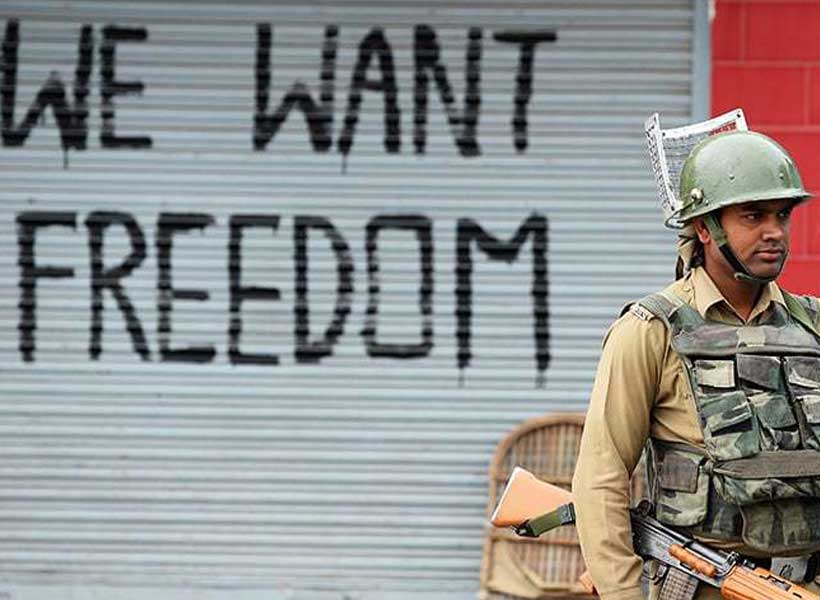
Amid all the political maneuvering, the human cost of this conflict is often forgotten. On both sides of the Line of Control, civilians live in constant fear of violence. Many are preparing for more fighting by seeking shelter and stockpiling supplies. The emotional toll on the Kashmiri population, particularly on the younger generation, has been devastating. Daily life in Kashmir is filled with disruptions, curfews, and violence. This ongoing hardship highlights how urgent it is to find a solution to the conflict that will address the suffering of the Kashmiri people.
India’s method of blaming Pakistan without solid evidence and taking actions that escalate the conflict has done nothing to solve the real issues in Kashmir. In fact, it has pushed India further away from the international community. On the other hand, Pakistan’s efforts to highlight the human rights violations in Kashmir and draw global attention to the issue have helped keep the focus on the needs and rights of the Kashmiri people. The international community has increasingly supported Pakistan’s call for a peaceful solution, emphasizing the importance of recognizing the Kashmiri people’s right to self-determination.
The calls for restraint and dialogue from the international community provide a crucial opportunity for both India and Pakistan to stop blaming each other and start focusing on the real issues. It’s time for both countries to recognize the genuine needs of the Kashmiri people and work towards a solution that prioritizes peace, human rights, and stability. The suffering of the Kashmiri people must no longer be ignored or used as a bargaining chip in political games.
📄 POLICY WIRE WHITEPAPER PUBLISHED: PAKISTAN'S NATIONAL SECURITY POLICY PRIORITIES
👉 READ BY CLICKING HEREIndia needs to change its approach and engage in meaningful dialogue with Pakistan to find a peaceful solution. For real peace to come to Kashmir, India must work with Pakistan and the Kashmiri leadership, listening to the voices of the Kashmiri people who have long wanted the right to determine their own future.
In conclusion, the recent tensions following the Pahalgam attack have brought the Kashmir issue back to the global stage. While India continues to blame Pakistan and take unilateral actions, Pakistan has been able to bring attention to the true cause of the conflict, the suffering of the Kashmiri people. The international calls for peaceful dialogue offer an opportunity for both countries to come together and focus on finding a lasting solution. Now, it’s up to India to reconsider its approach and work with Pakistan to address the needs and rights of the Kashmiri people, ensuring peace and stability in the region.
Author