


Black Sea’s Shadow: Ukraine’s Persistent Strikes Deepen Environmental Scars, Global Economic Jitters
POLICY WIRE — London, UK — The placid waters of the Black Sea, once a vital artery for hydrocarbon flows, now increasingly serve as a canvas for the grim, persistent strokes of a war that refuses to...

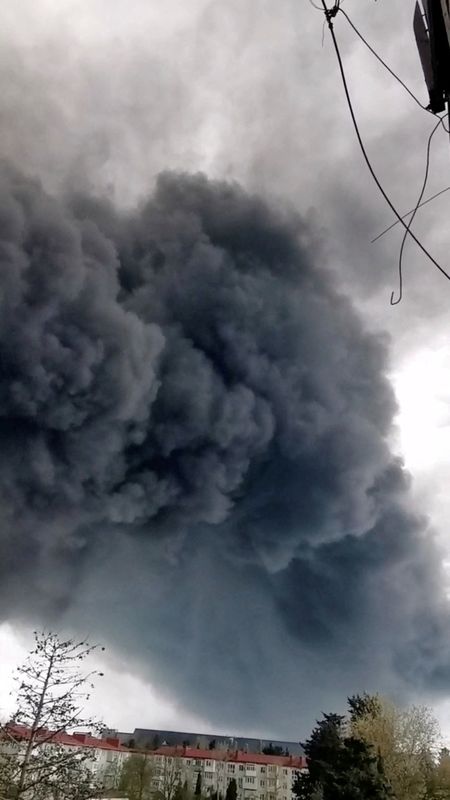
POLICY WIRE — London, UK — The placid waters of the Black Sea, once a vital artery for hydrocarbon flows, now increasingly serve as a canvas for the grim, persistent strokes of a war that refuses to be contained. Another Ukrainian drone attack on the Russian port of Tuapse, a strategic nexus for Moscow’s oil exports, didn’t just rattle windows in the Krasnodar Krai; it underscored a deepening strategic shift and an uncomfortable truth: the environmental degradation of this conflict is becoming as palpable as its human toll (and perhaps its most enduring legacy).
It wasn’t an isolated incident. Kyiv’s relentless campaign to hobble Russia’s war machine has, over recent months, expanded its ambit far beyond the front lines, targeting critical energy infrastructure deep within Russian territory. The latest strike on Tuapse, following a similar incident just weeks prior, signifies a methodical, almost industrial, approach to economic attrition. It’s a calculated gamble, meant to squeeze Moscow’s energy revenues – the very lifeblood of its military expenditure – and disrupt its logistical sinews. But there’s a collateral cost, one measured in leaked crude — and befouled coastlines.
Behind the headlines of geopolitical brinkmanship, the ecological footprint of this protracted war sprawls. Think of it: a significant oil terminal, an epicenter of refined product outflow, repeatedly assailed. The environmental ramifications aren’t mere footnotes; they’re integral to the conflict’s escalating devastation. Reports from local authorities, often heavily censored or downplayed by the Kremlin, hinted at a sizable fire and subsequent pollution after the latest engagement. And this is just one vignette in a broader tapestry of environmental despoliation, from contaminated soil in Ukraine’s agricultural heartland to the deliberate destruction of dams.
“Our strategic objectives remain unwavering: to degrade the aggressor’s capacity to wage war,” shot back Mykhailo Podolyak, advisor to the head of the Office of the President of Ukraine, when pressed on the nature of these strikes. “When critical infrastructure, particularly that which fuels their military machine, is impacted, it’s an unfortunate, yet necessary, consequence of their unprovoked invasion. We don’t target civilians, but every barrel of oil denied to the Kremlin weakens their resolve.” It’s a stark articulation of Kyiv’s rationale, one that prioritizes strategic paralysis over pristine ecosystems in the immediate term.
Still, the Kremlin’s indignation, though often dripping with hypocrisy, isn’t entirely misplaced on the environmental front. “These are acts of unadulterated terrorism, plain and simple,” asserted Dmitry Peskov, the Kremlin spokesman, his voice devoid of its usual affability during a briefing. “Kyiv’s regime, desperate and deluded, now resorts to wanton environmental destruction, heedless of the catastrophic implications for regional ecosystems and the global energy supply. Such reckless behavior won’t go unpunished.” He conveniently omitted, of course, Russia’s own documented ecological damage across Ukrainian territory.
The incident at Tuapse isn’t just a regional headache; it reverberates. Oil is, after all, a global commodity, — and disruptions anywhere tend to ripple outwards, amplifying market anxieties. For nations far removed from the Black Sea’s volatile shores, particularly those in the global south and the Muslim world, such strikes carry significant economic import. Take Pakistan, for example. Already grappling with its own economic precarity and reliant on imported energy, even minor fluctuations in global oil prices – exacerbated by Black Sea disruptions or events like the Red Sea’s volatile choke points – translate directly into inflationary pressures and heightened social unrest. It’s a cruel, distant feedback loop.
And the long-term environmental bill? It’s astronomical. According to a 2022 report by the Conflict and Environment Observatory (CEOBS), Ukraine’s conflict had already resulted in an estimated $50 billion in environmental damages by that year, a figure that continues to climb with each incident like the Tuapse strike. This encompasses everything from contaminated agricultural lands and polluted waterways to destroyed natural reserves and, yes, oil spills. The Black Sea, a relatively contained body of water, possesses a delicate ecological balance that could take decades, perhaps centuries, to recover from repeated hydrocarbon insults.
It’s an uncomfortable paradox: the necessity of crippling an aggressor’s economy clashing with the universal imperative of environmental stewardship. But in the crucible of conflict, pragmatism often trumps idealism. The immediate goal is survival; the long-term ecological reckoning, for now, remains a deferred invoice.
What This Means
The renewed assault on Tuapse isn’t just about another explosion; it’s a recalibration of Ukraine’s war strategy, signaling an intensified focus on economic strangulation. Politically, it complicates Moscow’s narrative of territorial control and domestic security, forcing the Kremlin to divert resources – both military and financial – to protect its deep-rear infrastructure (a costly, resource-intensive endeavor). It also escalates the stakes, increasing the potential for Russian retaliation against Ukrainian energy assets, albeit Kyiv has few comparable export terminals left.
Economically, persistent strikes on such pivotal oil facilities invariably inject volatility into global energy markets. While one attack might not drastically alter international crude prices, a pattern of sustained disruption — especially in a critical maritime corridor like the Black Sea — chips away at supply chain confidence. That impacts everyone, from European consumers fretting over heating bills to developing nations struggling with fuel subsidies. the cost of repairing these facilities and mitigating environmental damage becomes another drain on Russia’s already strained budget, diminishing its capacity to sustain prolonged military operations.
Environmentally, the picture is starkly grim. The Black Sea’s rich biodiversity, already under duress from climate change and past industrial pollution, now faces the direct, acute trauma of warfare. Oil spills are not merely aesthetic blights; they decimate marine life, contaminate coastlines, and disrupt fishing industries, impacting livelihoods and regional food security for years to come. The long-term ecological scar tissue will persist long after the last bullet is fired, serving as a grim testament to the unforeseen, yet ineluctable, costs of modern warfare. It’s a stark reminder that even in the pursuit of strategic victory, certain prices are exacted from the planet itself.