

Bipartisan Senate Bill Seeks to Allow Hot Rotisserie Chicken Purchases with SNAP Benefits
POLICY WIRE — Washington, D.C. — A bipartisan consortium of United States senators is advocating for federal food assistance programs to cover the cost of ready-to-eat rotisserie chickens from...

POLICY WIRE — Washington, D.C. — A bipartisan consortium of United States senators is advocating for federal food assistance programs to cover the cost of ready-to-eat rotisserie chickens from grocery stores.
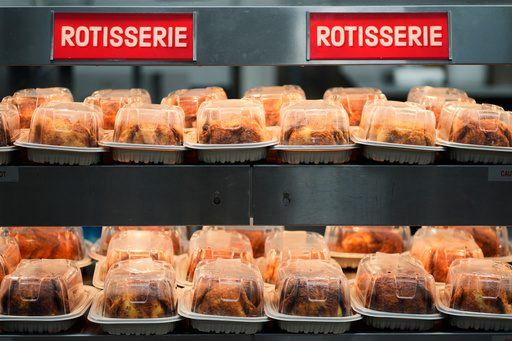
This week, lawmakers introduced the proposed Hot Rotisserie Chicken Act, legislation specifically designed to designate this popular supermarket item as an eligible purchase under the Supplemental Nutritional Assistance Program (SNAP), widely recognized as food stamps.
Expanding SNAP Eligibility for Convenience
Senator John Fetterman (D-PA), a key co-sponsor, emphasized the value of affordable and convenient meal options. “Costco’s $4.99 rotisserie chicken stands out as one of America’s most effective and delicious affordability strategies,” Fetterman remarked, expressing his pride in collaborating with Senator Jim Justice (R-WV) on this initiative. He further stressed that allocating SNAP funds to this option would effectively support families nationwide.
The current SNAP framework provides monthly financial aid to low-income households for grocery purchases, but it explicitly excludes hot, prepared food items. This longstanding exclusion, which dates back decades, was originally established with the intention of encouraging home cooking among beneficiaries.
However, critics argue that this regulation is outdated and places an undue burden on families already facing financial hardship, effectively denying them access to convenient and often nutritious food choices. Debates surrounding eligible food items for SNAP benefits are ongoing among state and federal lawmakers. Such policy discussions often reflect broader governmental efforts to adapt regulations to contemporary needs. Read More: UK-France Agreement: New 3-Year Plan to Combat English Channel Migrant Crossings
The Broader Context of Food Assistance Policy
Health and Human Services Secretary Robert F. Kennedy Jr. has previously urged states to restrict the purchase of unhealthy items such as sodas and candy through SNAP. In fact, twenty-two states, primarily under Republican leadership, have either sought or received authorization to prohibit specific food categories.
SNAP constitutes a vital component of the U.S. social safety net, serving nearly 42 million Americans, or approximately one in eight citizens, by assisting with grocery purchases. On average, participating households receive about $350 monthly, with the per-person benefit averaging around $190.
In addition to Senators Fetterman and Justice, the legislative effort includes Senator Shelley Moore Capito (R-WV) and Senator Michael Bennet (D-CO). A parallel initiative has been championed in the House of Representatives by Representative Rick Crawford (R-AR).
“We must provide people with the opportunity to put a healthy, protein-rich option on their tables that is both palatable and requires minimal preparation time,” commented Senator Justice, highlighting the practical advantages of the proposed change.
The consideration of expanding SNAP eligibility to include prepared foods like rotisserie chicken signifies an evolving understanding of food security and convenience for vulnerable populations. This type of legislative adjustment, much like other significant policy decisions, involves careful consideration of diverse needs and potential community impacts. Explore more complex policy challenges impacting communities.