


Beyond the Wicket: How a Toddler’s Playful ‘Bowl’ Illuminates Pakistan’s Cricket Economy and National Psyche
POLICY WIRE — Islamabad, Pakistan — In a nation where cricket transcends mere sport, acting instead as a pulsating artery of national identity and a significant economic conduit, even the...

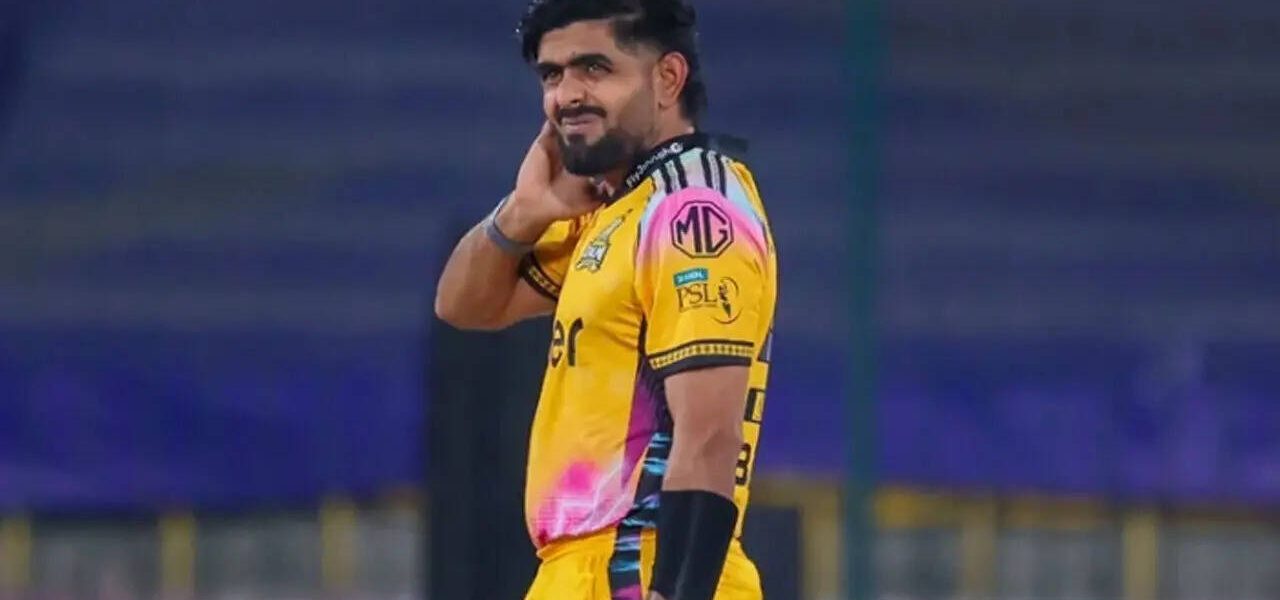
POLICY WIRE — Islamabad, Pakistan — In a nation where cricket transcends mere sport, acting instead as a pulsating artery of national identity and a significant economic conduit, even the most fleeting, unprofessional moments can carry unforeseen weight. So it was recently, when Pakistan’s undisputed cricketing monarch, Babar Azam — currently in a blistering vein of form — found himself comically disarmed not by a rival fast bowler, but by the one-year-old son of his teammate, Shaheen Afridi. The brief, viral clip, depicting young Aliyar playfully ‘bowling’ out the seasoned batter, quickly metastasized across digital platforms, offering a whimsical counterpoint to the high-stakes drama of the Pakistan Super League (PSL).
At its core, this isn’t just about a giggle-inducing internet meme; it’s a lens. Behind the headlines of comedic defeat — a ‘Bobzy getting owned by a kid lol,’ as one fan quipped — lies a fascinating intersection of celebrity culture, national morale, and the burgeoning sports economy in South Asia. Pakistan, a nation often grappling with complex geopolitical narratives and economic headwinds, clings to its cricketing heroes with a fervor that can baffle outsiders. These athletes, they’re not just performers; they’re ambassadors, symbols, — and indeed, economic assets.
The incident occurred on the periphery of a crucial PSL match at Lahore’s Gaddafi Stadium, where Afridi’s Lahore Qalandars notched a six-wicket victory over Azam’s Peshawar Zalmi. That result, despite Zalmi’s comfortable perch atop the league table with eight wins from ten matches and 17 points, underscored the competitive grit of the tournament. And still, amidst that professional intensity, a tiny human provided an unscripted moment of pure, unadulterated mirth. It was a stark, almost absurd, juxtaposition.
“These ephemeral moments of humanity, where even our giants like Babar Azam are momentarily vulnerable, they’re not just viral content,” posited Dr. Aisha Kamal, a Lahore-based sociologist specializing in South Asian cultural phenomena. “They’re vital narratives that stitch together a national fabric, offering a collective sigh of relief — a reminder that even amidst geopolitical tensions and economic anxieties, joy persists.” Kamal’s observation underscores the deeply embedded role cricket plays in Pakistani society, often serving as a unifying force across diverse demographics.
But there’s also the brass tacks: the commercial aspect. The PSL, now in its mature phase, isn’t just a domestic spectacle; it’s a critical component of Pakistan’s soft power projection and a significant economic driver. With star players like Azam — who, incidentally, boasts an impressive PSL 2026 record of 485 runs in nine innings at an average of 80.83, according to official league statistics — attracting global attention, the league generates substantial revenue through broadcasting rights, sponsorships, and merchandise. This viral footage, however unplanned, further amplifies the brand equity of its leading personalities, drawing more eyeballs, more engagement, and ultimately, more investment.
“The Pakistan Super League, it’s not just sport; it’s a multi-million dollar economic engine,” stated Mr. Raza Hashmi, an independent sports economic consultant who has advised the Ministry of Inter-Provincial Coordination. “Such viral incidents, while accidental, inadvertently amplify player brands, driving viewership, merchandise sales, and ultimately, foreign investment. It’s an unplanned, yet potent, policy accelerator for the sector.” Hashmi’s assessment highlights how even seemingly trivial interactions feed into a larger commercial ecosystem, one that policymakers are keenly aware of — or, at least, should be.
📄 POLICY WIRE WHITEPAPER PUBLISHED: PAKISTAN'S NATIONAL SECURITY POLICY PRIORITIES
👉 READ BY CLICKING HEREIndeed, the spectacle of professional sport — particularly in cricketing nations — is often meticulously managed, a grand narrative crafted for consumption. Yet, it’s these impromptu eruptions of authenticity that often resonate most profoundly, humanizing figures who, through relentless success, might otherwise seem superhuman. It’s a delicate balance, maintaining the mystique of athletic prowess while occasionally pulling back the curtain on the mundane (and adorable) realities of life beyond the boundary rope.
What This Means
The viral exchange between Babar Azam and Aliyar Afridi, while instantly forgettable in purely sporting terms, speaks volumes about the intertwined destinies of celebrity, national identity, and economic policy in Pakistan. For one, it reinforces the immense cultural capital invested in its cricketing heroes. These athletes are more than just performers; they’re national brands, their personal narratives becoming extensions of the country’s own story.
Economically, such moments, however serendipitous, contribute to the broader appeal — and marketability of the PSL. Increased global attention on its stars translates directly into enhanced sponsorship opportunities, foreign exchange earnings, and a bolstered profile for Pakistan on the international stage. This isn’t merely about entertainment; it’s a policy statement on resilience and global talent, demonstrating the nation’s capacity to nurture world-class athletes and host major sporting events. the light-hearted nature of the incident serves as a crucial emotional valve for a populace often under considerable social and economic pressure. It provides a shared moment of relief, a collective smile — an invaluable, if unquantifiable, boost to national morale.
Policymakers, don’t forget, are increasingly recognizing the ‘soft power’ dividends of sports diplomacy and the economic multiplier effect of successful leagues. The preservation and promotion of these national treasures, both the athletes and the institutions like the PSL, become an implicit — sometimes explicit — policy objective. Ensuring player welfare, stable league management, and robust infrastructure are no longer just sporting concerns; they underscore the volatile talent economy and the broader investment climate for the nation. This tiny, viral clip, therefore, isn’t just about a child’s playful interference; it’s a microcosm of Pakistan’s intricate dance between national pride, economic ambition, and the unpredictable charm of human connection.