


Beyond the Diamond: High School Sports Realignments Spark Broader Policy Debates
POLICY WIRE — Livonia, Michigan — The dust motes dancing in the late afternoon sun on a Livonia baseball diamond offered a deceptively simple backdrop to a contest steeped in far more...

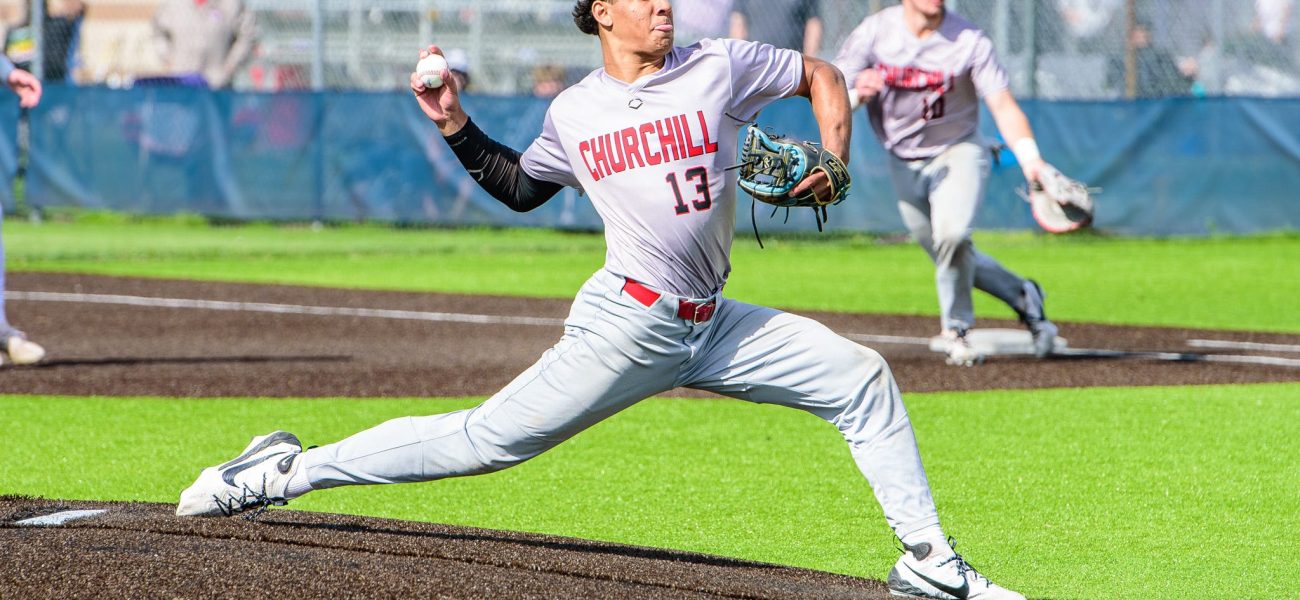
POLICY WIRE — Livonia, Michigan — The dust motes dancing in the late afternoon sun on a Livonia baseball diamond offered a deceptively simple backdrop to a contest steeped in far more complex, institutional maneuverings. While Jaylen Johnson — a junior pitcher for Livonia Churchill — wrestled with control, striking out six but walking five through four fraught innings, the real strategic play unfolding wasn’t on the mound at all. It was in the backrooms of school board meetings, where decisions have irrevocably altered the very landscape of local athletic competition, pushing Churchill out of its storied Kensington Lakes Activities Association (KLAA) for the Lakes Valley Conference.
And what a swan song it’s proving to be. The Chargers, destined for a new athletic home, currently perch atop their division — a final, poignant flexing of muscle against rivals they’re soon to abandon. Their recent 1-0 squeaker against Franklin wasn’t just a baseball score; it was a microcosm of a larger shift, where community identity, athletic development, and indeed, local economies are all part of a grander strategic realignment. It isn’t merely about wins — and losses; it’s about defining allegiances.
“This move wasn’t simply about competitive balance; it was a calculated strategic realignment to ensure the long-term viability and growth of our athletic programs and — crucially — the holistic development of our students,” asserted Dr. Elaine Thompson, Superintendent of Livonia Public Schools, in a recent Policy Wire exclusive. Her words underscore a trend: schools, much like nations forging new alliances, are continually assessing the strategic advantages of their associations. This kind of re-shuffling — though ostensibly about sports — impacts everything from booster club fundraising to local business patronage on game nights. One might draw a parallel to the nuanced and often politically charged discussions surrounding regional sporting leagues in the Muslim world, where national prestige and cultural identity are inextricably linked to athletic prowess and organizational clout, as seen with UAE’s aggressive charting of global cricket’s calendar.
Still, the immediate drama unfolded on the diamond. Johnson, who credits his father Dion’s unwavering confidence for his resilience in jams, epitomized the grit needed when stakes run high. “He wants me to compete every pitch, every day, every battle,” Jaylen revealed, reflecting on his dad’s tutelage. This resolve, born from personal mentorship, echoes the broader determination seen in communities clinging to their sports traditions, even as the tectonic plates of conference affiliations shift beneath them. It’s a fierce desire to win, yes, but also to belong.
Franklin, for its part, absorbed a gut punch. Senior pitcher Logan McLaughlin threw a gem, striking out five and yielding just one unearned run on a wild pitch — a singular, unforgiving mistake. Coach Matt Fournier was visibly frustrated. “Our situational stuff wasn’t where it needed to be today,” he grumbled, ruefully acknowledging how a handful of missed opportunities — a bunt not laid down, a runner not advanced — decided a game where his team left an astonishing 16 runners on base. It’s these fine margins, these micro-failures, that often dictate the macro-outcomes, whether on a baseball field or in the intricate dance of regional economic rivalries.
“These rivalries, they’re more than just games. They’re threads woven into the fabric of our community,” lamented Councilwoman Shana Kapoor, a long-time Livonia resident and former high school athlete. “Seeing them shift, it’s a genuine wrench, but one hopes it ultimately serves the greater good for our youth.” Her sentiment captures the perennial tension between tradition and perceived progress — a debate that plays out in town halls as often as in athletic directors’ offices. At its core, these reconfigurations are about managing human capital: ensuring young athletes have optimal platforms for development, even if it means disrupting cherished, decades-old rivalries like those found in the Rust Belt, where cities like Detroit and Cleveland once battled for supremacy not just in sports, but for economic and civic bragging rights too.
The sheer scale of this enterprise isn’t lost on observers. Annually, over 7.9 million students participate in high school sports across the United States, according to the National Federation of State High School Associations (NFHS) data from the 2022-23 school year. That’s a colossal ecosystem, one that demands constant re-evaluation of its structures — and alliances.
What This Means
The seemingly innocuous phenomenon of high school athletic conference realignment carries significant political and economic undertones. For starters, it can exacerbate existing socio-economic disparities. Larger, wealthier districts often have more leverage to seek out conferences that benefit their programs — be it through travel logistics, competitive balance, or exposure for their athletes. Smaller districts, conversely, might find themselves scrambling to maintain competitive parity or even basic financial viability for their sports programs. Don’t underestimate the economic ripple effect, either: fewer local rivalries can translate to decreased game attendance, impacting concession sales, booster club revenues, and even local businesses that thrive on game-day traffic.
Behind the headlines, these realignments also reflect broader policy debates about the purpose of amateur sports. Is it purely about competition, or about fostering community, physical health, — and character development? The decisions made by school boards and athletic directors — often under pressure from parents, coaches, and taxpayers — invariably answer these questions, shaping the experiences of thousands of young people. And these answers aren’t static; they’re constantly evolving, much like the game itself.
So, while Livonia Churchill celebrates a hard-won victory on the baseball diamond, its impending departure from the KLAA serves as a potent reminder: even in the seemingly straightforward world of high school athletics, policy decisions can echo far beyond the playing field, influencing community cohesion and economic vitality for years to come.