
Beyond the Blue Screen: New Mexico’s Outdoors as an Unlikely Policy Arena
POLICY WIRE — Albuquerque, United States — In a landscape where the daily broadcast increasingly favors dramatic spectacles and dire warnings, the quiet dedication of a single hiking coordinator in...

POLICY WIRE — Albuquerque, United States — In a landscape where the daily broadcast increasingly favors dramatic spectacles and dire warnings, the quiet dedication of a single hiking coordinator in Albuquerque— and the sudden, localized glare of a surprise media event — feels almost anachronistic. It’s an oddly framed moment of local human interest, one that pulls back the curtain, however briefly, on the overlooked machinery of civic well-being, suggesting deeper currents than initially meet the eye. For anyone parsing the priorities of a modern, attention-scarce society, such vignettes, frankly, deserve a harder look.
It’s not often a local news segment dedicated to altruism merits extended analysis on Policy Wire, but even a splash of sentimental public recognition — a KOB 4 surprise, no less — can accidentally illuminate systemic gaps and policy successes. A volunteer helps seniors find some fresh air, certainly. But this act isn’t just about walks; it’s about physical autonomy, social engagement, and a fundamental challenge to the quiet societal pigeonholing that often accompanies advancing age. We’re talking about folks whose prime hiking days might seem long past, now rediscovering the world under the New Mexico sun. It’s pretty compelling stuff, if you think about it.
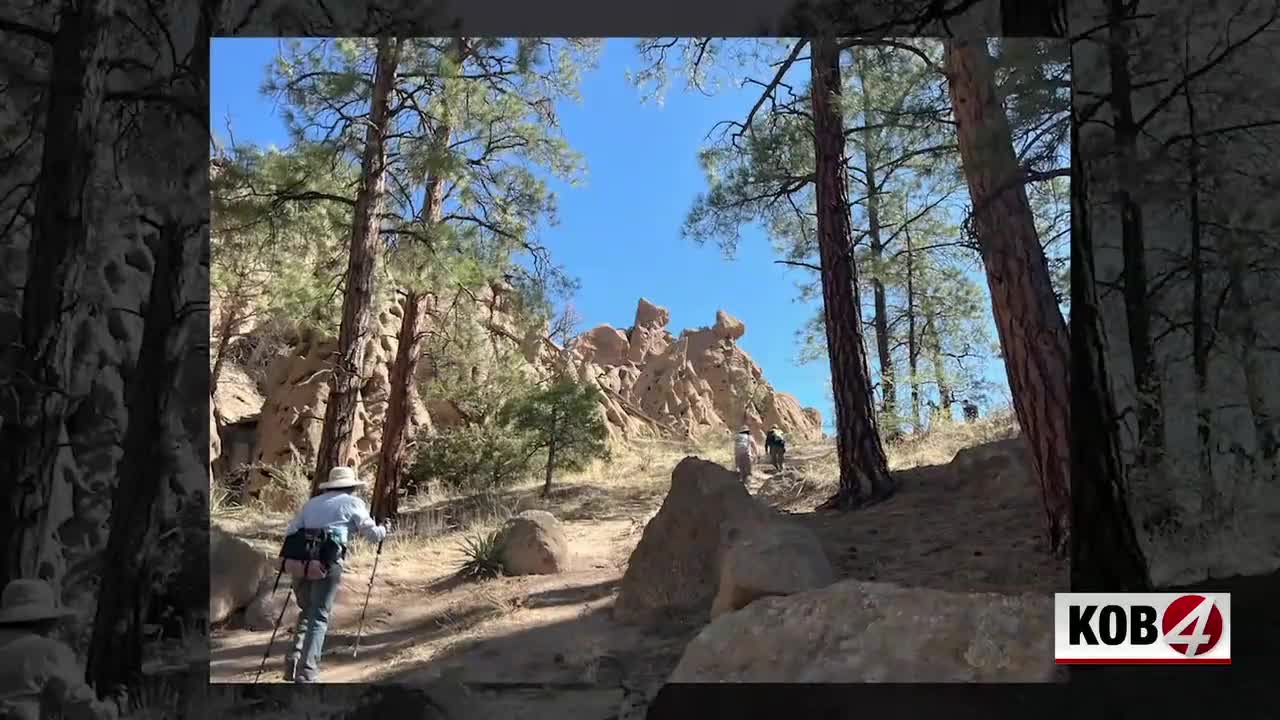
The story, a brief bulletin from KOB.com titled [QUOTE_PLACEHOLDER], focuses squarely on the feel-good narrative: A hiking coordinator helps Albuquerque seniors explore New Mexico’s outdoors, and KOB 4 surprised him with a Pay It 4ward surprise. No, seriously. But dig a bit beneath the surface of this small, almost quaint revelation, and you find threads — long, frayed ones — connecting back to some of the thorniest discussions in public health, geriatric care, and urban planning. It speaks to the ongoing, underfunded effort to maintain quality of life for an aging populace, not just in America’s arid Southwest, but globally, everywhere.
And that’s the rub, isn’t it? These small, personal acts of assistance become especially vital when formal support systems are stretched thin, or worse, non-existent. A significant body of research points to the undeniable benefits of regular physical activity for older adults, everything from improved cardiovascular health to enhanced cognitive function. According to a 2021 study by the Centers for Disease Control and Prevention (CDC), only 26% of adults aged 65 years or older met the Physical Activity Guidelines for aerobic and muscle-strengthening activity. That’s a stark figure, friends. It suggests a vast, unmet need that programs, formal or informal, barely scratch the surface of.
Because, really, when a local TV station has to parachute in with a ‘surprise’ award just to acknowledge such grassroots dedication, you’ve got to wonder about the broader societal signals we’re sending. Is it that community service is so rare it needs celebration, or that we’re so starved for good news that we’ll turn a basic kindness into a public spectacle? It’s a curious dynamic, isn’t it? Such acts are often what pick up the slack when policy doesn’t quite meet demand, when budgetary committees opt for the grand gesture over the steady, sustainable investment.
But consider this, then: How do societies prioritize the dignity — and health of their older citizens? In places like Pakistan, for instance, family structures historically bear the weight of elder care, creating a complex, often intimate, social safety net that functions very differently from the Western institutional model. Yet, even there, as urbanization accelerates and traditional bonds fray, similar discussions about the role of community engagement and accessible public spaces for seniors become ever more urgent. It’s a conversation you’d expect to hear debated during critical financial deliberations, not just when examining Pakistan’s Budget Bet: Smart Relief or Structural Reckoning?, but also in everyday community planning. The pressures might be different — resource scarcity versus institutional complexity — but the underlying human need? It’s profoundly the same.
Back in Albuquerque, this specific coordinator, whoever they’re (the report frustratingly implies, [QUOTE_PLACEHOLDER]), isn’t just helping individuals; they’re knitting together a fractured social fabric. They’re fostering a sense of community, a real belonging, among those who might otherwise face the creeping isolation of old age. And honestly, isn’t that something political leaders — and policymakers ought to be taking more notes on? The profound, understated power of facilitating simple joy, basic movement, and collective experience for seniors seems an awful lot like foundational work. The media attention might fade, the surprise forgotten, but the need, the quiet, persistent need, for connection and activity will remain.
They’re not just seeing the desert through new eyes. They’re engaging with the world, pushing past physical and social limitations, sometimes on trails that offer glimpses of breathtaking vistas. For many, this isn’t merely an outing; it’s a defiant statement against the sedentary lifestyle sometimes imposed by aging, by lack of transport, by fear, or simply by the insidious belief that older folks should just… sit still. You’ve seen it. I’ve seen it. And here’s someone actively trying to change that narrative.
What This Means
The micro-narrative of a dedicated hiking coordinator and a localized media surprise, while heartwarming, also acts as a subtle commentary on public policy’s gaps. The necessity for volunteer-driven initiatives to address issues like senior wellness indicates an underinvestment in infrastructure for an aging population, both human and physical. Politically, leaders often prefer ribbon-cutting ceremonies to sustained, often unglamorous, support for programs that benefit specific demographics. Economically, neglecting senior physical — and mental health can escalate healthcare costs significantly down the line. Preventative measures, even something as straightforward as guided hikes, aren’t always prioritized, making the ad-hoc efforts of individuals and local news media to fill those voids all the more striking — and unsettling.
This incident also forces a comparison with regions where formal social safety nets are less developed. In parts of the Muslim world, and particularly within South Asia, the emphasis often lies with familial and community networks as the primary caregivers for the elderly. While rich in cultural capital and personal devotion, these systems can face immense strain from urbanization and economic shifts. The contrast between a publicly acknowledged individual initiative in the US and the often-unseen familial dedication abroad underscores different approaches to a universal challenge: how to support a growing senior demographic with dignity and activity. There’s a quiet politics embedded in that — the question of who holds ultimate responsibility for keeping a society, all its parts, moving. It’s an issue we talk about on Policy Wire a lot, whether it’s through articles exploring global capital flows in soccer or dissecting the complexities of the desert itself. The answers are never simple, but the questions, sometimes, are startlingly clear.