


Albuquerque’s Fiscal Friction: Council Snubs Tax Hike, Signaling Broader Citizen Restlessness
POLICY WIRE — Albuquerque, USA — Even the quietest corners of the American Southwest can churn with political drama, and Monday night, Albuquerque’s City Council delivered a stark lesson in...

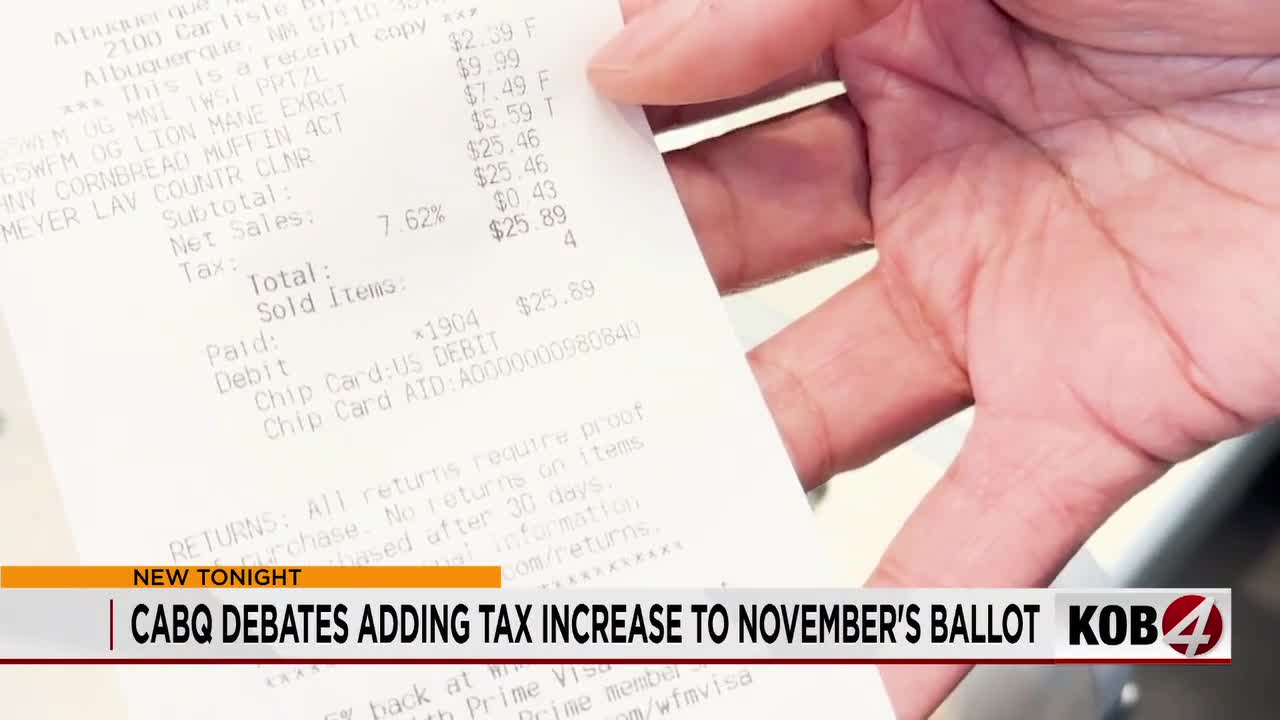
POLICY WIRE — Albuquerque, USA — Even the quietest corners of the American Southwest can churn with political drama, and Monday night, Albuquerque’s City Council delivered a stark lesson in municipal finance. They didn’t just reject a proposed tax hike; they effectively threw a wrench into the works of what many saw as a routine administrative maneuver to buttress city coffers. A slender 5 to 4 vote extinguished the proposed gross receipts tax increase, preempting what would’ve been a ballot measure and leaving budget planners back at the drawing board.
It wasn’t an ordinary Tuesday, not when the aftershocks of a simple council vote started rippling through the city’s economic landscape. Residents, already grappling with everyday expenses, won’t face an uptick in their spending on essentials, but the municipality now finds itself in a tighter spot. The rejection means that local households, businesses, and frankly, anyone buying so much as a cup of coffee won’t shoulder an additional burden from this specific tax mechanism. It’s a reprieve for wallets, sure, but a headache for administrators trying to maintain public services with limited resources. You see this kind of push-and-pull everywhere, don’t you? [QUOTE_PLACEHOLDER]
The gross receipts tax, an often-invisible cost layered onto transactions, impacts consumers at nearly every turn. Under the shelved proposal, for instance, a hypothetical $100 purchase would’ve carried about $8.11 in tax, a noticeable bump from the current roughly $7.63. This difference, a mere 48 cents on a C-note, might seem small. But, accumulated across countless daily transactions for every single person living and shopping in Albuquerque, it swells into a considerable sum – for both the city’s treasury and the collective pocketbooks of its residents. It’s an incremental strain that, as council opponents argued, was expected to prove problematic for families trying to make ends meet in a tricky economy.
And so, the decision reflects a wider citizen sentiment. Folks are simply tired of feeling the pinch. It’s a recurring theme globally, particularly in nations facing chronic economic turbulence, where citizens often bear the brunt of indirect taxation. You see this same dynamic playing out in the streets of Karachi or Lahore, where governments are often torn between the need to fund infrastructure, education, and healthcare—crucial public services—and the fear of igniting public unrest through increased levies. The resistance to these ‘hidden’ taxes, the ones you feel only when you check the receipt, runs deep whether you’re in New Mexico or Pakistan’s complex budget battles.
Because, really, no one likes paying more for things they need. The argument against the tax wasn’t complicated; opponents during Monday’s council meeting highlighted that any tax increase would be difficult for residents. It’s an irrefutable, straightforward point that, ultimately, won the day. This isn’t just about spreadsheets — and municipal budgets; it’s about the lived experiences of working families. And that sentiment, often dismissed as mere populist grumbling by economic purists, carries real weight in a democracy. It can, in fact, dictate outcomes.
It’s not just a local skirmish, either. This kind of fiscal friction, this standoff between municipal ambitions and public wallets, is playing out across numerous Western nations. Post-pandemic economic instability and inflation have eroded consumer confidence, making any new tax proposal a politically precarious tightrope walk. But the choice, or rather the refusal, by Albuquerque’s City Council isn’t a final word on the city’s financial health. It’s merely a redirect. They’ll have to find revenue elsewhere or make some tough cuts. Neither option is typically popular.
What This Means
The Albuquerque City Council’s decision is more than just local news; it’s a political signal. For starters, it telegraphs a prevailing wariness among the populace about further fiscal burdens. Councilors, by rejecting the measure before it hit the November ballot, effectively shielded themselves—and the voters—from a contentious political fight, perhaps sensing the public mood wouldn’t be favorable. It means city officials must now get genuinely creative with revenue generation, perhaps by exploring grants, bonds, or—the most dreaded of all options—service cuts.
Economically, it implies a continued tightening of the city’s belt. Without additional gross receipts revenue, already tight budgets for things like public works, emergency services, or urban development might face stricter constraints. For businesses, it’s a momentary exhale; no immediate increase in operating costs passed on through taxes. But it also means fewer potential improvements in infrastructure that might benefit them long-term. This kind of legislative resistance to taxation also often masks deeper concerns about governmental efficiency and trust—a pattern familiar in fledgling economies and volatile political landscapes across South Asia.
The broader implication here, though, lies in the power of citizen sentiment, even when expressed indirectly through political representatives. It’s a cautionary tale for any government entity: propose new taxes at your peril, especially when the everyday person feels economically vulnerable. Albuquerque has spoken, not with a roar from the ballot box, but through the decisive actions of its elected officials, signaling a clear ‘not now’ to added financial strain.