


Berlin’s Brinkmanship: Germany’s Security Stance Sparks Kremlin Ire, Rattles Global Supply Chains
POLICY WIRE — BERLIN, Germany — It wasn’t the usual grand pronouncement on European solidarity that got under Moscow’s skin, but rather the blunt talk of a German opposition leader – an...

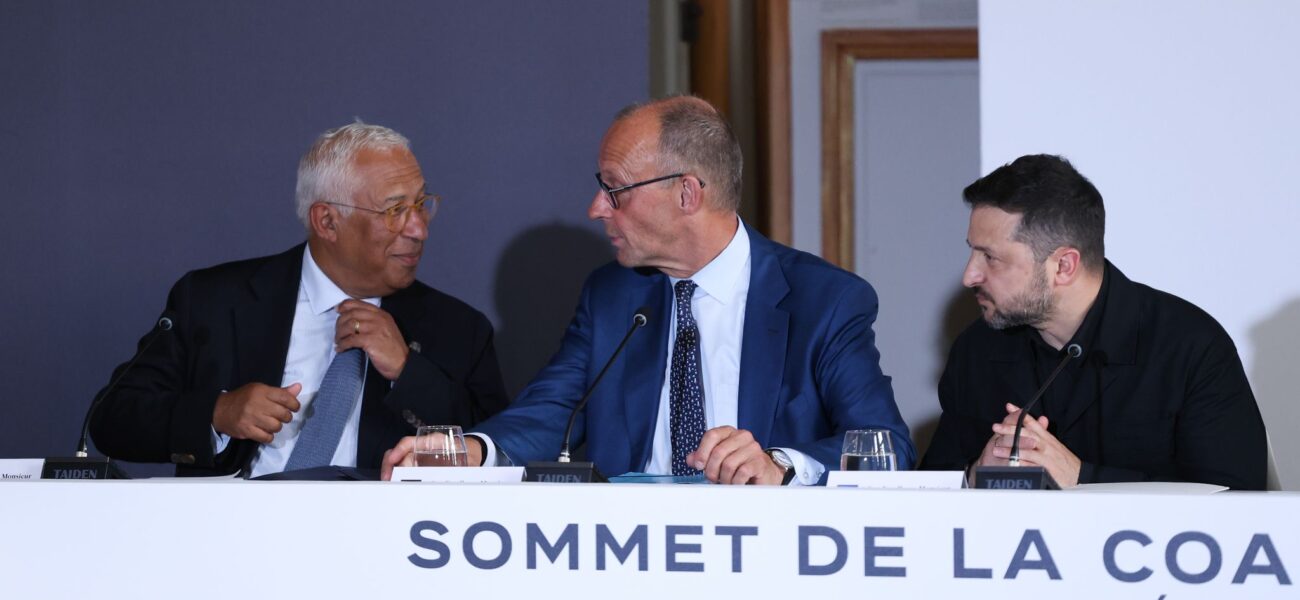
POLICY WIRE — BERLIN, Germany — It wasn’t the usual grand pronouncement on European solidarity that got under Moscow’s skin, but rather the blunt talk of a German opposition leader – an individual, mind you, without a direct government portfolio – that seems to have hit a raw nerve. Friedrich Merz, leader of Germany’s Christian Democratic Union (CDU), has lately been throwing down the gauntlet on Ukraine’s long-term security, pushing for something a little more… concrete than the diplomatic waffling many have grown accustomed to. And, wouldn’t you know it, the Kremlin has snapped back with its customary blend of indignation — and veiled threat.
Merz, never one to mince words when he’s got a political point to score, laid out his vision for Ukraine’s future protection recently, making it plain that current security assurances just aren’t cutting the mustard. He’s effectively told European leaders to stop fiddling around the edges of NATO’s Article 5 and provide Kyiv with iron-clad commitments that go beyond the usual platitudes. We’re talking real, tangible security guarantees here, not just ‘thoughts and prayers’ — or, you know, polite nods during an EU summit. His sentiment isn’t just about charity; it’s about drawing a stark line, redefining what the West actually means by support.
Because let’s be honest, everyone’s a bit tired of the constant, agonizing debate. What good are promises if they melt like ice cream in a heatwave? “We can’t afford to hesitate when democracy hangs in the balance; security guarantees aren’t just paper, they’re a shield,” Merz stated recently, echoing a growing impatience within conservative circles for more decisive action, especially as the conflict in Ukraine drags on.
The Kremlin, however, views Merz’s straight talk as little more than dangerous provocations. Dmitry Peskov, the indefatigable spokesman for the Russian presidency, didn’t hold back. His office, known for its rapid-fire condemnations, issued a blistering response, suggesting Merz’s remarks weren’t merely misguided but deliberately inflammatory. “Mr. Merz’s remarks reveal a dangerous willingness to ignore the complex realities on the ground, further escalating tensions for no tangible gain. This isn’t diplomacy; it’s saber-rattling dressed as statesmanship,” Peskov was quoted as saying, his disdain palpable through official channels. It’s a familiar refrain, sure, but one that continues to carry considerable weight in diplomatic circles, even if the world’s grown a little numb to it.
This whole kerfuffle isn’t just an exchange of harsh words between adversaries; it shines a spotlight on the increasingly frantic repositioning happening across Europe. Germany, once heavily reliant on Russian energy, finds itself having to reinvent its foreign policy and defense posture on the fly. The European Union, for instance, has committed over 85 billion euros in aid to Ukraine since February 2022, making it the country’s largest donor, according to the European Commission. That’s not small potatoes; that’s a massive reinvestment in a geopolitical recalculation.
📄 POLICY WIRE WHITEPAPER PUBLISHED: PAKISTAN'S NATIONAL SECURITY POLICY PRIORITIES
👉 READ BY CLICKING HEREAnd these shifts aren’t just impacting European stability. The scramble for alternative energy supplies, fueled by this re-evaluation of Russia, sends tremors far beyond the continent’s borders. Nations across Asia and the Muslim world, from Pakistan to Egypt, are feeling the pinch as LNG shipments get rerouted to Europe and global energy prices remain stubbornly high. Imagine being a Pakistani policymaker, juggling external debt and rising domestic energy costs, watching European debates about ‘security guarantees’ feeling completely out of your hands, yet utterly impacting your nation’s economic survival. It’s all interconnected, isn’t it?
While leaders like Merz focus on safeguarding Kyiv’s future, others are grappling with the unintended consequences of this Western realignment. The ripple effect of war and subsequent sanctions is less about high-minded political theory and more about the price of flour and petrol on the streets of Karachi or Cairo. It’s a harsh dose of reality for those navigating fragile geopolitical landscapes and trying to keep the lights on for millions.
What This Means
This escalating war of words between a prominent German opposition figure and the Kremlin isn’t mere political posturing; it signals a hardening of positions that limits pathways for de-escalation. Merz’s insistence on concrete security guarantees, rather than vague pledges, aims to pressure Germany’s ruling coalition – particularly Chancellor Olaf Scholz’s Social Democrats – into a more robust, long-term commitment to Ukraine. Such a move would be politically fraught domestically, yet aligns with the views of Washington — and Warsaw. From Moscow’s vantage point, however, any strengthening of Ukraine’s security framework is an existential threat, directly challenging its claims to a sphere of influence and potentially signaling a more direct NATO-adjacent posture. The economic ramifications are also telling. The redirection of European capital and energy flows in response to the conflict creates an intensely competitive environment for global resources, impacting developing nations heavily dependent on imports. We’re seeing a reconfiguration of global energy relationships, pushing nations further down the supply chain towards more expensive and volatile alternatives – an unsettling prospect for long-term economic stability, especially as countries like Pakistan struggle with both financial liquidity and energy security. This entire dynamic suggests a long-term geopolitical re-wiring is underway, with direct and painful consequences for a world still recovering from unprecedented shocks.