


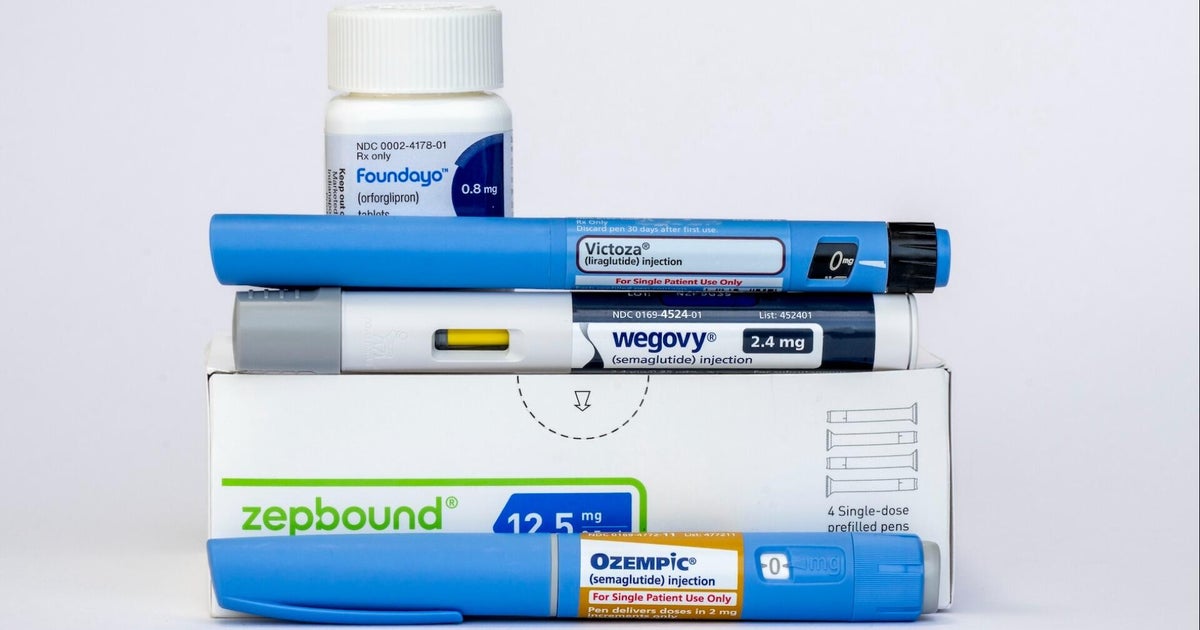
FDA Targets Compounding Pharmacy in GLP-1 Drug Controversy
FDA warns compounding pharmacy over mass production of GLP-1 weight-loss drugs. Legal battle and patient access concerns rise.

POLICY WIRE — Houston, United States — The U.S. Food and Drug Administration has issued a formal warning to Empower Pharmacy, alleging that the company violated federal law by producing large quantities of generic versions of widely used weight-loss medications.
This marks the first time the FDA has directly intervened in a dispute over whether compounding pharmacies are legally allowed to manufacture copies of patented drugs. The agency’s letter, dated September 18 and published online Tuesday, gives the Houston-based firm an opportunity to align with regulatory standards.
Empower responded by stating it had already addressed many of the issues raised in the warning and would continue working with the FDA to ensure the quality of its compounded products. The pharmacy promotes two of the most sought-after weight-loss medications on its website, which are available only to healthcare providers, not directly to patients.
Traditionally, compounding pharmacies have created customized medications for individual patients, such as liquid formulations for those who cannot swallow pills. While these facilities are inspected, the FDA does not review the specific drugs they produce, meaning they do not offer the same level of safety guarantees as FDA-approved medications.
The popularity of GLP-1 drugs has led to increased activity among compounding pharmacies. When the FDA declared a shortage of Novo Nordisk and Eli Lilly’s appetite-suppressing drugs in 2022, many compounders began producing their own versions at significantly lower prices, attracting millions of users.
The situation became more complex when the FDA ended the shortage in 2025. Federally licensed compounding pharmacies, which are subject to stricter regulations, largely stopped making copies of Eli Lilly’s tirzepatide and Novo’s semaglutide. However, smaller state-licensed pharmacies continued producing similar drugs, claiming they were modifying approved medications for individual patient needs.
Eli Lilly and Novo Nordisk have publicly opposed this practice, with Eli Lilly currently suing Empower. The company argues that the pharmacy’s marketing of “personalized” products is misleading, as it claims Empower is actually manufacturing standardized knockoffs of its FDA-approved medicines.
Empower denies these allegations, and the legal case remains ongoing. This incident represents the first time the FDA has taken a clear stance on where the line between personalized drug production and mass manufacturing lies.
A November 2025 inspection found that Empower was using a pretext to produce large quantities of FDA-approved drugs, according to the warning letter. The FDA cited three main pieces of evidence in its findings.
Scott Brunner, CEO of the Alliance for Pharmacy Compounding, noted that the warning was not solely about the volume of production but also the lack of documentation proving that the drugs were being made for individual patient needs.
Legal expert Darshan Kulkarni said the FDA may be setting a precedent. While the warning may not immediately halt compounding pharmacies from making these drugs, it could force them to re-evaluate how they distinguish their products. He added that the path for compounded weight-loss drugs is becoming increasingly restricted.
Reporting by Policy-Wire (PW)