


Beijing’s Petro-Pragmatism: China Pumps the Brakes on Pure EV Utopia
POLICY WIRE — Beijing, China — For years, the global automotive gaze fixated on Beijing’s relentless, almost zealous, march toward an all-electric future. We collectively pictured a China...

POLICY WIRE — Beijing, China — For years, the global automotive gaze fixated on Beijing’s relentless, almost zealous, march toward an all-electric future. We collectively pictured a China humming silently on battery power, leaving the internal combustion engine (ICE) to the dusty annals of industrial history. But, as with all grand pronouncements in the halls of power, reality’s gritty particulars have a way of asserting themselves. China, the undisputed colossus of EV production, seems to be performing a surprising, if subtle, U-turn, quietly injecting new life into the very fossil-fueled vehicles it appeared so eager to transcend.
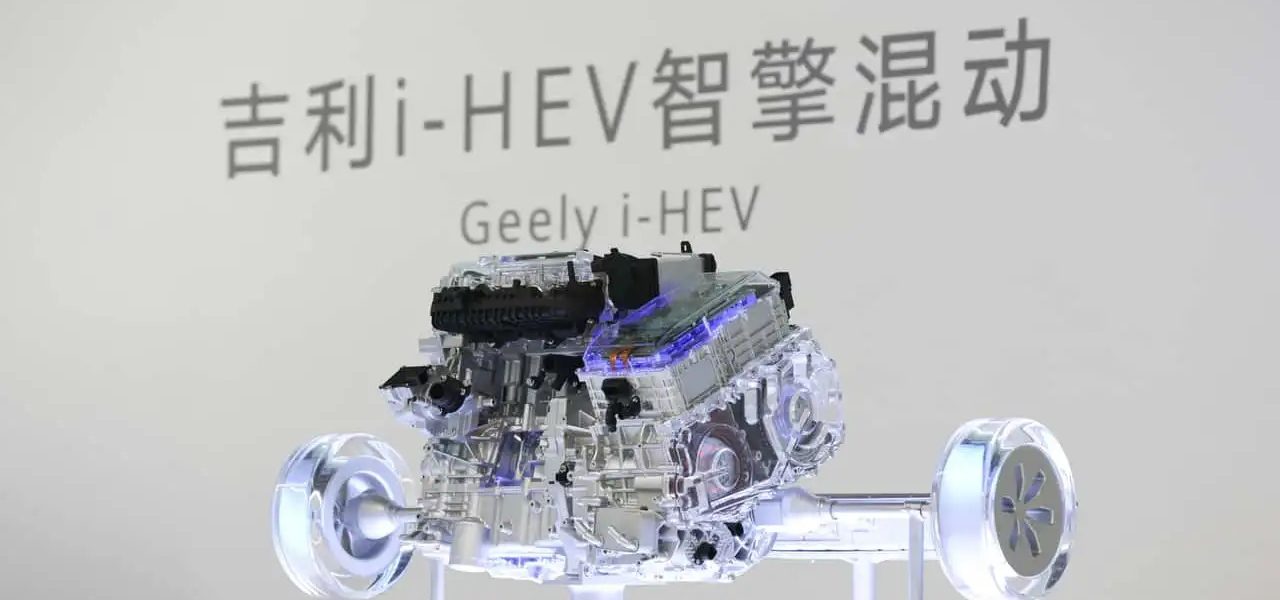
It’s not a full retreat, mind you, but a calculated recalibration. The signs are everywhere: subtle shifts in state media narratives, renewed focus on hybrid technologies that still burn gasoline, and an undeniable push to ensure that China’s vast traditional auto manufacturing base doesn’t wither on the vine. Beijing’s policy levers are, as ever, both blunt and nuanced, moving the world’s largest auto market with the deliberate precision of a well-oiled machine. And now, that machine is demanding a more diversified fuel diet.
At its core, this reorientation stems from a confluence of domestic economic pressures and evolving geopolitical imperatives. The EV sector, while booming in headlines, isn’t without its growing pains—overcapacity, intense price wars, and the still-nascent state of charging infrastructure outside mega-cities. Then there’s the inconvenient truth of electricity grids, which aren’t always ready for a wholesale national switch, especially in China’s less developed western provinces. So, it’s not simply about green ideals; it’s about stability, employment, — and market leadership.
“Our industrial policy must remain agile, responsive to both domestic demand and global opportunities,” stated Li Wei, a Senior Policy Advisor at China’s Ministry of Industry and Information Technology, during a recent, uncharacteristically candid press briefing. “A diversified energy portfolio for our transportation sector isn’t merely pragmatic; it’s an imperative for national resilience and sustaining our manufacturing prowess.” His words, usually steeped in party platitudes, betrayed a recognition of the hard truths facing China’s automotive ambitions. They’re not abandoning EVs, that’s clear, but they’re certainly acknowledging that the path isn’t a straight, frictionless line to utopia.
This pivot also holds significant implications for China’s auto giants as they increasingly look beyond their domestic borders. Many developing nations, particularly across South Asia and parts of the Muslim world, simply aren’t ready for a mass EV adoption. Their grids are fragile, disposable incomes are lower, and the established refueling infrastructure for gasoline is robust. Pakistan, for instance, a key Belt and Road Initiative partner, grapples with chronic energy shortages and limited EV charging networks. For such markets, a steady supply of affordable, efficient ICE vehicles from China remains far more appealing and attainable than aspirational EVs.
“It’s a stark reminder that even the most ambitious green transitions often collide with economic gravity,” observed Dr. Eleanor Vance, an energy policy expert at the Royal United Services Institute, in a remote interview. “China isn’t abandoning EVs, not by a long shot, but they’re certainly acknowledging that the path isn’t a straight, frictionless line to utopia. They’re masters of hedging, aren’t they?” Her point underscores Beijing’s characteristic pragmatism. They’ve built an enormous global lead in EVs, but they won’t hesitate to shore up other sectors if it means maintaining industrial might and geopolitical influence.
📄 POLICY WIRE WHITEPAPER PUBLISHED: PAKISTAN'S NATIONAL SECURITY POLICY PRIORITIES
👉 READ BY CLICKING HEREStill, the numbers don’t lie. Despite the pronounced push for EVs, gasoline-powered vehicles still constitute the dominant segment in China’s massive market. According to the China Association of Automobile Manufacturers (CAAM), 2023 saw sales of 21.7 million gasoline-powered vehicles, dwarfing the 9.5 million new energy vehicles (NEVs – which include EVs and hybrids) sold. That’s a lot of petrol-guzzlers still hitting the roads, and Beijing clearly isn’t prepared to cede that internal demand, nor the vast export potential, to foreign competitors.
What This Means
This strategic re-evaluation by China carries profound ramifications, both domestically — and internationally. Economically, it suggests Beijing is prioritizing the stability of its traditional automotive sector—a massive employer—and seeking to maximize its export potential in markets not yet ripe for an EV revolution. It’s a recognition that not all global markets move at the same pace, — and China aims to cater to every segment. Politically, it signals a renewed focus on energy security, potentially ensuring continued demand for imported oil—a critical geopolitical calculus for a nation like China. For nations in South Asia and the broader Muslim world, particularly those connected through the Belt and Road Initiative, it means continued access to diverse and perhaps more affordable Chinese vehicle options, preventing a premature, costly leap into an EV future their infrastructure can’t yet support. It also means potentially higher global oil prices if China’s demand doesn’t taper off as quickly as once predicted by EV optimists. The future, it seems, isn’t just electric; it’s also—for now, at least—still very much petrol-powered, especially when Beijing’s pragmatic eye is fixed on the bottom line and global market share.