


Behind the Headlines: India’s Human Rights Challenge
Every life lost, every home destroyed, and every family displaced tells a story far deeper than statistics. These are not just numbers, they are mothers, fathers, children, and elders whose voices...
Every life lost, every home destroyed, and every family displaced tells a story far deeper than statistics. These are not just numbers, they are mothers, fathers, children, and elders whose voices are too often drowned in political narratives. Governance is meant to protect these lives, uphold dignity, and ensure justice. Yet, in many parts of India, these fundamental responsibilities remain unmet.
At the 34th meeting of the 60th Session of the UN Human Rights Council (UNHRC) in Geneva, Indian diplomat Mohammed Hussain levied accusations against Pakistan regarding human rights. While deflecting attention outward, India faces mounting evidence of internal systemic failures that threaten its own citizens. These failures are not isolated incidents but reflect deeper institutional, legal, and political shortcomings.
Escalating Ethnic and Communal Violence
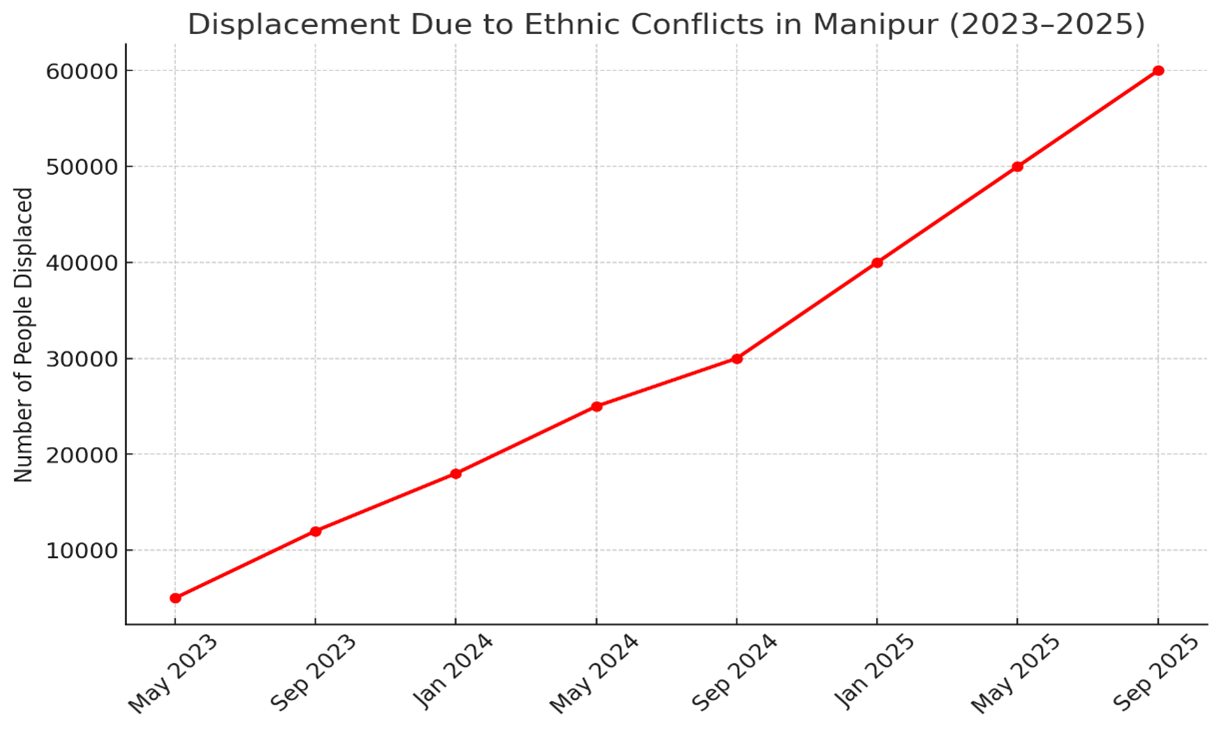
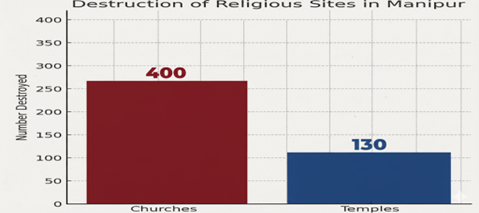
The northeastern state of Manipur provides a stark example. Since May 2023, ethnic clashes between the Meitei and Kuki-Zo communities have claimed over 258 lives and displaced more than 60,000 people. Around 400 churches and 132 temples have been destroyed, leaving communities without shelter, security, or protection. Despite the imposition of President’s Rule in February 2025, authorities have struggled to restore order, highlighting the limits of governance in protecting vulnerable groups.
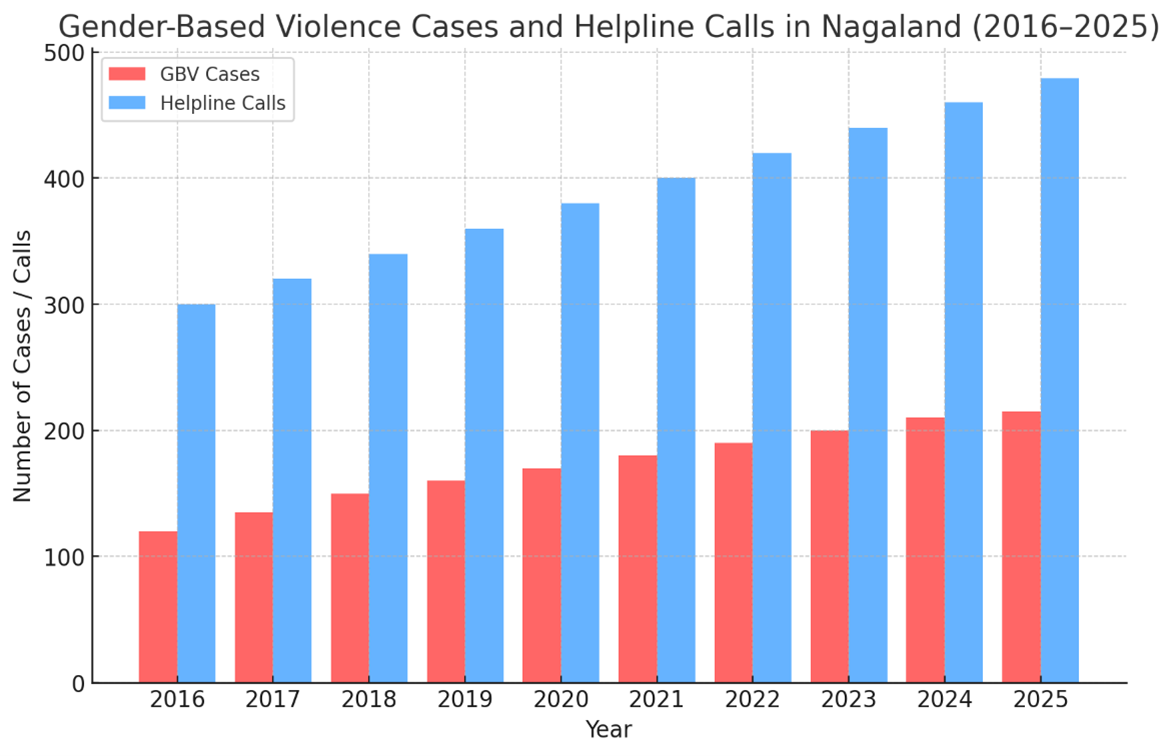
From 2016 to March 2025, Nagaland’s One Stop Centres and the 181-Women Helpline reported 1,529 cases of gender-based violence, with over 3,299 calls for help. In 2023, 56 cases of crimes against women were officially registered, including 10 rapes, 15 cases under the Protection of Children from Sexual Offences (POCSO) Act, 14 assaults intending to outrage modesty, and 7 kidnappings. About 77% of the total reported crimes were sexual offences. Most offenders were known to the victims, indicating high vulnerability within homes and communities.
Political Unrest and Marginalized Communities
The Indian government has maintained a massive military deployment of approximately 900,000 troops in IIOJK since the August 2019 revocation of Article 370, representing one of the densest military occupations globally. This security presence has been linked to widespread reports of state violence including extrajudicial killings in “fake encounters,” custodial torture, enforced disappearances, and use of pellet guns causing severe injuries and blindness among peaceful protesters. The Armed Forces (Special Powers) Act (AFSPA) grants change the rules of engagement and grants sweeping powers and immunities to troops, contributing to an environment of near-total impunity. Human rights organizations report the use of sexual violence and harassment by security forces as systematic methods of repression, particularly targeting Kashmiri Muslim women. Between 2019 and 2025, hundreds of civilian casualties and thousands of detentions for political dissent have been recorded, with some estimate placing the number of enforced disappearances in the thousands. The state has also been involved in demographic manipulation through domicile laws like the (CAA) Citizenship Amendment Act passed in 2019 and facilitating large-scale settlement of non-resident Hindus, undermining the ethnic and religious composition of the region. These actions have sparked persistent protests, curfews, and internet blackouts, severely restricting civil liberties and governance accountability in IIOJK, a context widely linked to ongoing violence and deep grievances among the local population.
In Ladakh, predominantly inhabited by Buddhist communities, protests in September 2025 resulted in four deaths and over 60 injuries. These demonstrations reflect deep-seated frustrations among local populations feeling marginalized in political representation and neglected in governance. Despite being a Union Territory administered directly by New Delhi, issues such as lack of public services, restricted freedoms, and ethnic tensions remain unresolved, resulting in sporadic unrest with serious humanitarian consequences.
Targeted Attacks on Religious Minorities
Religious minorities, especially Christians, continue to face alarming targeted violence in India. Verified attacks surged from 127 incidents in 2014 to 834 in 2024, with data from the United Christian Forum (UCF) showing over 300 incidents already reported in the first five months of 2025 alone. On average, more than two attacks against Christians occur daily, including physical assaults, property damage, intimidation, and false accusations of forced conversions under anti-conversion laws prevalent in several BJP-ruled states. Uttar Pradesh and Chhattisgarh remain hotspots, with hundreds of attacks reported. This rising violence is fueled by extremist ideologies challenging India’s constitutional commitment to secularism and equality. Failure to adequately prevent, investigate, and punish such acts undermines public trust and threatens social cohesion, putting at risk the safety and identity of India’s Christian minority.
Institutional Weaknesses and International Scrutiny
India’s human rights record has drawn global attention. The UN Human Rights Committee has highlighted misuse of counterterrorism laws and politically motivated prosecutions. Human Rights Watch criticized unlawful demolitions targeting vulnerable communities, while the European Parliament deferred accreditation of India’s National Human Rights Commission, citing insufficient protections for minorities and concerns over democratic erosion. These observations point to systemic issues: politicized law enforcement, weak accountability mechanisms, and inconsistent policy enforcement. Without addressing these root causes, recurring violence and human suffering are inevitable.
Regional Implications
Internal human rights failures also affect regional stability. Cross-border tensions, refugee flows, and escalating ethnic conflicts in India’s border states have wider implications for neighboring countries. India’s deflection of attention from its own crises undermines its credibility when raising concerns about others, especially Pakistan.
The Moral Imperative
Beyond politics and statistics lies a deeper truth: human lives demand protection. Ethical governance requires tangible reforms, accountability, and proactive measures to safeguard the vulnerable. Every displaced child, destroyed home, and unaddressed grievance represents a failure of moral responsibility. India’s global image as a democracy depends not on declarations at international forums but on real reforms, justice for victims, and consistent protection for all citizens, regardless of religion, ethnicity, or gender. Honest self-reflection and decisive institutional action are essential not only for India’s credibility but for the human lives that remain at the heart of governance.
Author