


Bangladesh’s Deadly Measles Outbreak: Critical Vaccine Gaps Drive Rising Child Mortality
POLICY WIRE — Dhaka, Bangladesh — Eighteen-year-old Rubia Akhtar Brishti gently rocks her infant, attempting to alleviate his intense discomfort and labored breathing, as she recounts the harrowing...

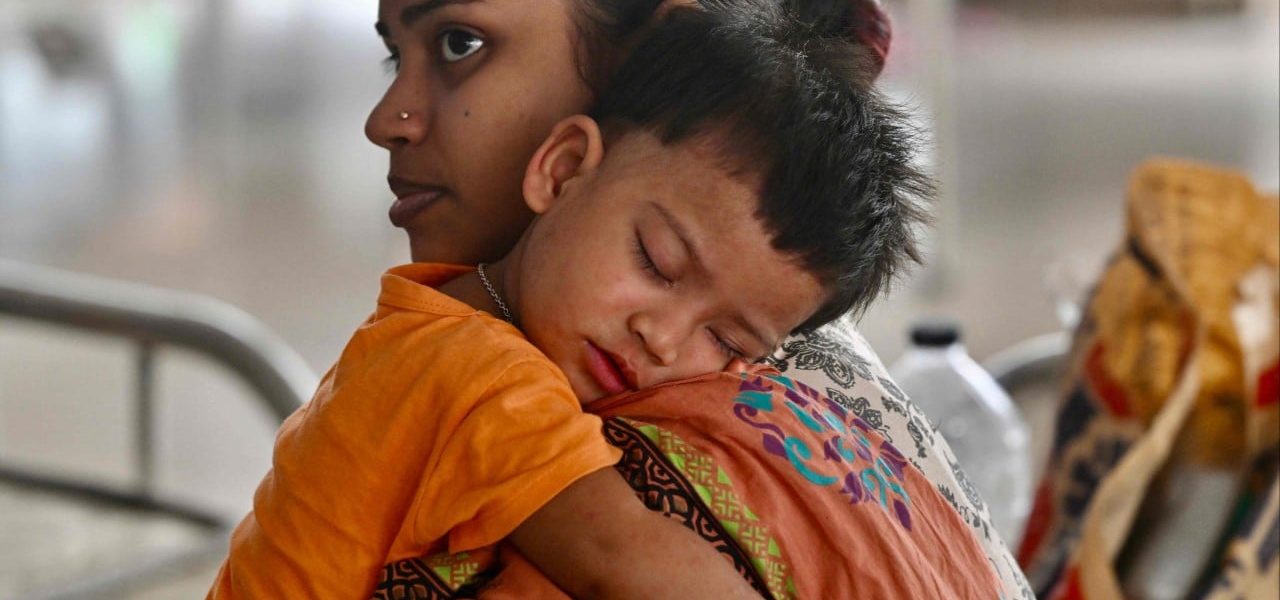
POLICY WIRE — Dhaka, Bangladesh — Eighteen-year-old Rubia Akhtar Brishti gently rocks her infant, attempting to alleviate his intense discomfort and labored breathing, as she recounts the harrowing near-death experience her son faced amidst Bangladesh’s devastating measles epidemic.
Her son, one-year-old Minhaz, battled a severe fever and struggled for air, his small body erupting in a widespread rash. His mother described his condition: “The boy had a high fever and found it hard to breathe. His whole body had rashes.”
Since March 15, this virulent outbreak has tragically claimed at least 143 lives, predominantly children, with over 12,000 suspected cases reported. This current health crisis stands as the most severe encountered in the region in recent memory.
The scale of this public health emergency underscores the persistent challenges faced by developing nations in safeguarding their most vulnerable populations. Such crises often highlight systemic weaknesses that can exacerbate the impact of disease, much like other widespread vulnerabilities that affect communities globally.
Understanding the Vaccine Coverage Deficit
Experts attribute the rapid spread and high mortality rates of the measles virus to significant gaps in vaccine coverage across Bangladesh. Insufficient immunization leaves communities susceptible to infectious diseases, turning preventable illnesses into fatal outbreaks.
The highly contagious nature of measles means that even minor shortfalls in vaccination rates can lead to widespread transmission, particularly among children who are most vulnerable to severe complications.
📄 POLICY WIRE WHITEPAPER PUBLISHED: PAKISTAN'S NATIONAL SECURITY POLICY PRIORITIES
👉 READ BY CLICKING HEREProtecting Vulnerable Children
Children constitute the overwhelming majority of both the fatalities and suspected infections in this ongoing epidemic. The tragic loss of young lives highlights the critical importance of robust public health infrastructure and consistent vaccination campaigns.
Preventative measures, primarily through comprehensive immunization programs, are essential to avert future health catastrophes of this magnitude and protect the health of future generations.
Read More: Parenthood Transforms Travel: Embracing Global Adventures Beyond Traditional Family Vacations