

Australia’s Recognition of Palestine: A Turning Point in Global Diplomacy
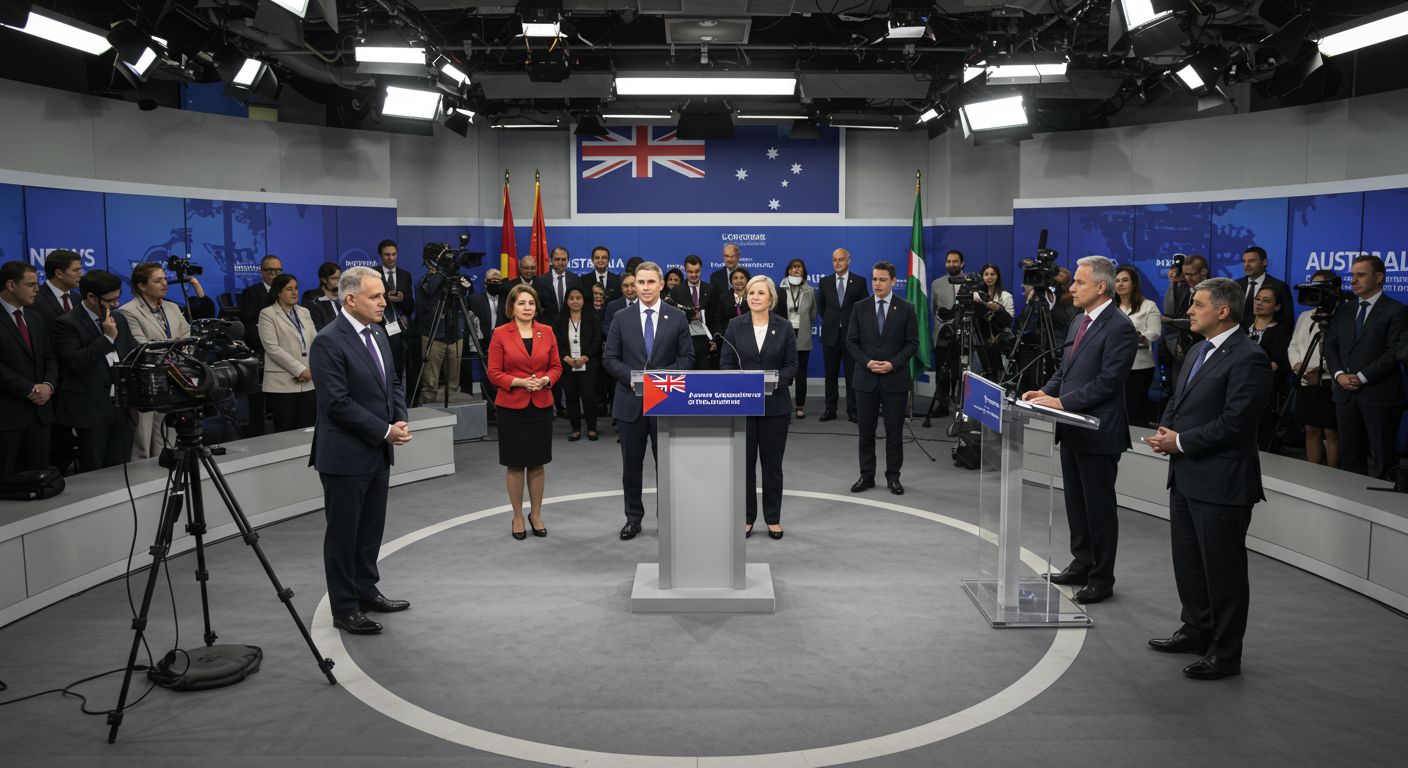
Australia’s recognition of a Palestinian state in the coming United Nations General Assembly is one of its most significant foreign policy changes in decades. Prime Minister Anthony Albanese...

Australia’s recognition of a Palestinian state in the coming United Nations General Assembly is one of its most significant foreign policy changes in decades. Prime Minister Anthony Albanese positioned the move as a strategic and moral imperative for pursuing a two-state solution, an agenda he called “humanity’s best hope” to bring peace to Gaza. This recognition puts Australia on the same side as the vast majority of UN members and comes on the heels of such commitments from Canada, France, and the United Kingdom. It is not a gesture in the abstract; it heralds a realignment of Australian Middle East policy from conflict management to diplomatic engagement on an open-ended basis.
The Albanese government has emphasized that recognition is contingent upon Palestinian Authority commitments, such as government reforms, demilitarisation, and the exclusion of Hamas from any future state institutions. These conditions match Arab League requirements for Hamas to leave the Gaza Strip, as Albanese said, “an opportunity to isolate Hamas.” This strategic phrasing is intended to override domestic criticism that recognition incentives militancy. The Australian position is also an expression of mounting anger at Israel’s ongoing settlement growth and open resistance to Palestinian statehood, which Canberra claims erodes the potential for negotiated peace.
The move takes place at a time of mounting humanitarian crisis. More than 60,000 Palestinians have been killed since Israel launched its attack on Gaza in October 2023, local health officials say, with rampant malnourishment fueled by tight controls on aid. International organizations have charged Israel with blocking food and medical aid deliberately, something Israel denies, accusing Hamas of hindering delivery. Tens of thousands of Australians have protested in solidarity with Gaza, including 300,000 last week in Sydney, a change in public opinion the government can no longer afford to ignore.
Diplomatically, the move puts Australia on the front lines of Western countries increasingly ready to take on Israel’s account of Palestine. Former foreign minister Gareth Evans labeled the timing “absolutely” correct, saying that joining reputable voices from the global North in tandem with Israel’s Arab neighbours had the potential to push Prime Minister Benjamin Netanyahu to change what he characterized as an “indefensibly destructive” direction. This is a break with Canberra’s traditionally cautious approach, usually closely aligned with American policy, which under President Donald Trump is still firmly against Palestinian recognition.
There is, however, domestic political risk involved in the move. The opposition Liberal Party has condemned the move as premature while hostages are still held by Hamas and before the militant group is broken up. Liberal leader Sussan Ley blamed the government for giving Hamas a strategic victory. Such criticism highlights the political balancing act Albanese must pursue, between a vocal pro-Palestinian grassroots movement and mainstream security alliances with a traditional ally like the United States, which has been immune to recognition.
They also contend that Australia will have increased diplomatic influence in the region with recognition. Experts in international law such as Donald Rothwell posit that state-to-state recognition provides Canberra with the opportunity to sign binding treaties, offer direct assistance for the rebuilding of Gaza, and negotiate bilateral cooperation without using only multilateral means. This change could help enable Australia to take a more proactive role in helping rebuild governance systems and infrastructure in Palestinian lands, going beyond providing humanitarian aid to active political involvement.
The regional consequences are important. Other powerful middle power recognition adds to pressure on Palestinian statehood, likely to nudge fence-sitting states like New Zealand, which this month has announced it will reconsider its position. The synchronized timing with Canada, France, and the UK indicates an orchestrated attempt to create diplomatic momentum before the UNGA, indicating the political cost of disregarding Palestinian statehood is increasing even among Israel’s traditional allies.
Australia’s recognition of Palestine is a strategic diplomatic move influenced by changing public opinion, mounting humanitarian emergencies, and waning confidence in the status quo. Whether it produces tangible change on the ground will be determined by how well Canberra can use its recognition to nudge Israel and the Palestinian Authority back towards negotiations. But symbolically, it is a departure from decades of restraint an acknowledgment that inaction has permitted a cycle of destruction to continue. By acting now, Australia takes not the role of bystander, but of participant in seeking a just and enduring peace.
Author