


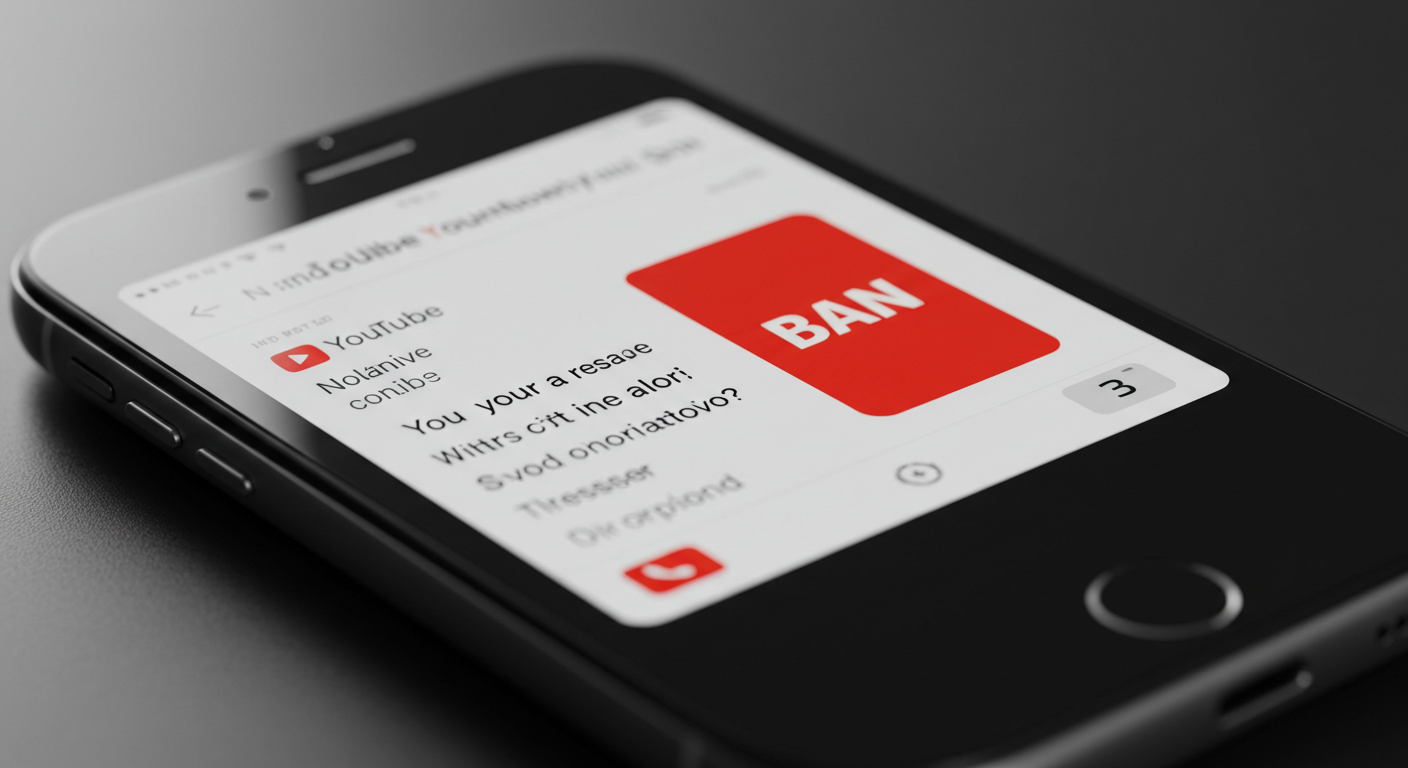
Australia Includes YouTube in Landmark Social Media Ban for Children Under 16
In a historic and controversial move, the Australian government has decided to ban children under the age of 16 from having social media accounts, making it the first country in the world to take...
In a historic and controversial move, the Australian government has decided to ban children under the age of 16 from having social media accounts, making it the first country in the world to take such a sweeping step. Initially, the popular video platform YouTube was expected to be exempt from the ban. However, in a significant reversal, the government has now confirmed that YouTube will be included alongside TikTok, Instagram, Facebook, Snapchat, and X (formerly Twitter) when the new law comes into effect in December 2025.
The ban means that while children will still be allowed to watch YouTube videos, they will not be able to create or operate accounts. That includes the ability to post videos, comment on content, subscribe to channels, or interact on the platform in any way that requires a sign-in. YouTube, owned by tech giant Google, had argued that it should not be included in the ban, claiming that its platform is not social media and instead serves as an educational and creative outlet for young Australians. In a statement issued earlier, YouTube emphasized that its services provide “benefit and value” and should not be grouped with traditional social media apps, but the Australian government remained unconvinced. E-Safety Commissioner Julie Inman Grant played a key role in pushing for YouTube’s inclusion. She pointed out that YouTube was the most frequently cited platform where children aged 10 to 15 encountered harmful or disturbing content. Based on that evidence, she recommended that YouTube be added to the list of restricted platforms, a suggestion the government has now accepted.
The decision has already stirred backlash from the tech sector. Reports surfaced last week that Google was threatening to take legal action against the Australian government over YouTube’s inclusion in the ban. The company argued that such a move could limit freedom of expression and restrict political and social access for young Australians. But federal officials have stood firm in the face of this pressure. Communications Minister Anika Wells responded bluntly, saying the government “will not be intimidated by legal threats” when it comes to protecting children. She likened the internet to a vast and dangerous ocean, saying that trying to safeguard kids online is like teaching them to swim with sharks and strong currents. “We can’t control the ocean,” she said, “but we can police the sharks.”
Prime Minister Anthony Albanese echoed these concerns during a press briefing, where he said social media is doing serious harm to the mental and emotional health of Australia’s children. He acknowledged that the ban alone is not a complete solution, but stressed that it will make a meaningful difference in reducing online harm. “We want Australian parents to know we have their backs,” he said.
The new legislation will place serious obligations on tech companies. If they fail to comply with the age restrictions, they could face fines of up to A$50 million (about US$32.5 million). Platforms will be required to deactivate all accounts held by users under 16, prevent new underage accounts from being created, and shut down any loopholes or workarounds that children might try to exploit. Companies will also need to act swiftly to fix any violations or errors related to age enforcement.
Notably, the ban will not apply to all digital platforms. Apps used primarily for online gaming, messaging, education, and health services will remain available to children under 16. According to the government, these platforms are less likely to expose children to addictive algorithms, public interactions, or harmful content, and are therefore not considered as high a risk as mainstream social media.
Australia’s bold move is drawing global attention. Other countries, such as Norway, have already announced similar policies, and the United Kingdom has signaled it is seriously considering following Australia’s lead. Experts in child psychology and digital safety say the world is watching closely, and that Australia’s actions could influence a wider international debate on how to regulate social media for young users.
📄 POLICY WIRE WHITEPAPER PUBLISHED: PAKISTAN'S NATIONAL SECURITY POLICY PRIORITIES
👉 READ BY CLICKING HEREFor now, more details about the ban’s enforcement and monitoring mechanisms are expected to be presented in federal parliament in the coming weeks. The road ahead may include legal challenges from tech giants, especially companies like Google, who stand to lose significant user engagement. But the Australian government appears determined to move forward, putting the wellbeing of children above corporate concerns.
This new law marks a turning point in the global conversation about children’s safety online. It raises critical questions about how societies balance freedom of access with the responsibility to protect the most vulnerable. Whether other nations will follow suit remains to be seen, but one thing is clear: Australia has taken a bold first step, and the world is paying attention.
Author