


Asia’s Logistics Domino: FedEx Fiasco in Vietnam Echoes Across Supply Lines
POLICY WIRE — Hanoi, Vietnam — When a crucial artery of global commerce starts sputtering, you feel it, don’t you? It’s not just a delayed package; it’s the quiet erosion of trust, the...

POLICY WIRE — Hanoi, Vietnam — When a crucial artery of global commerce starts sputtering, you feel it, don’t you? It’s not just a delayed package; it’s the quiet erosion of trust, the missed deadlines that snowball into real financial pain for folks way beyond where the trouble started. For weeks, whispers turned to shouts as FedEx, the titan of parcel delivery, seemed to hit a snag here in Vietnam, leaving an ever-growing pile of packages stranded and a lot of businesses — big and small — utterly bewildered.
It’s a tough pill to swallow when you’re counting on a system to just… work. And for countless companies relying on prompt logistics out of Vietnam’s burgeoning manufacturing hubs, FedEx’s operational stumble wasn’t just an inconvenience; it felt like a direct punch to their bottom line. We’re talking everything from crucial machine parts meant for factory floors in Malaysia to e-commerce goods bound for markets across Europe and North America.
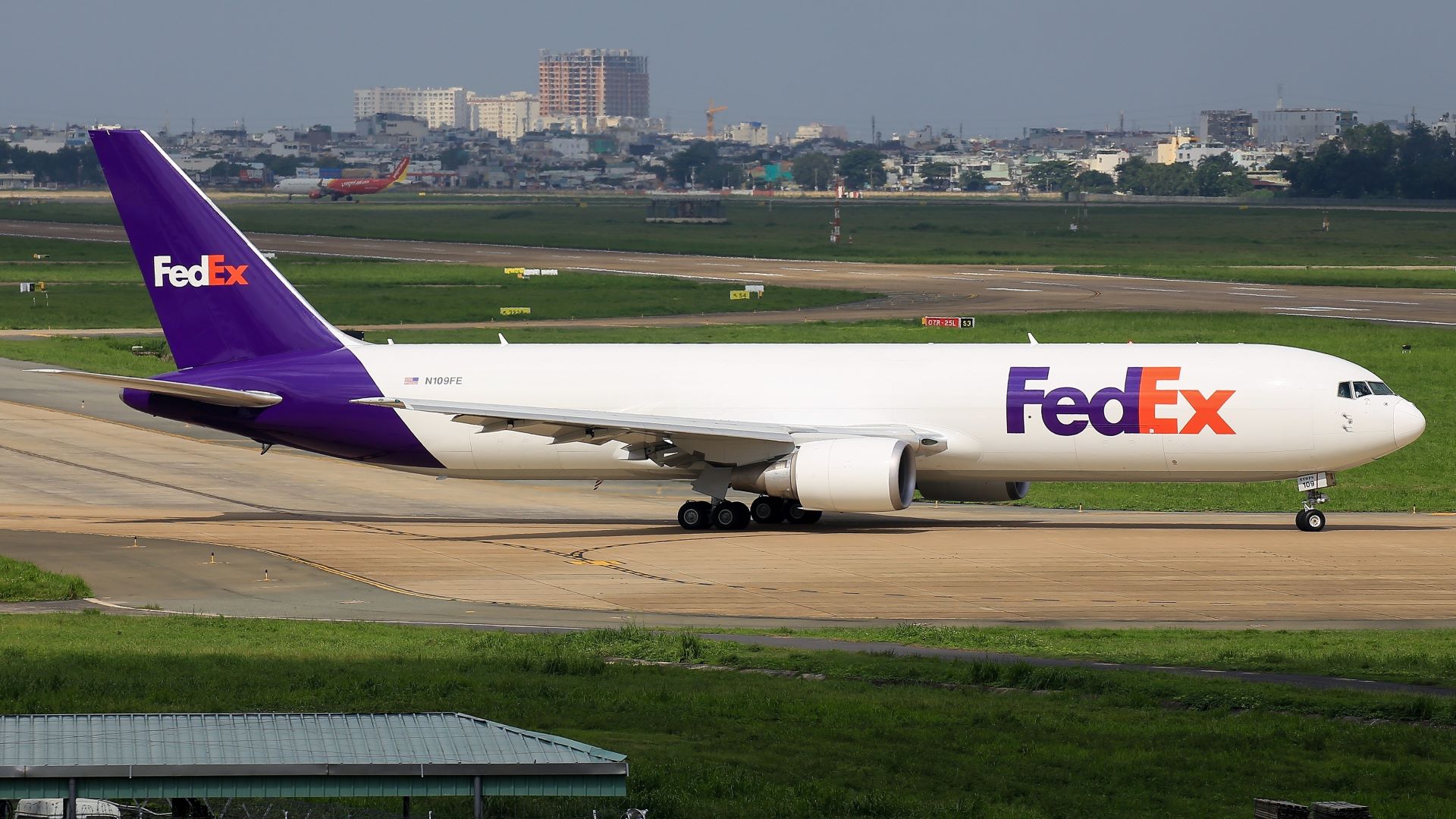
What exactly triggered the snarl? It wasn’t one thing, naturally. Analysts are still dissecting the mess. But, initial reports painted a picture of cascading failures: a sudden, unexpected spike in inbound cargo, personnel shortages exacerbated by local public health measures—not unlike those we’ve seen elsewhere—and perhaps a system straining at its seams even before the unexpected pressure points emerged. Some sources indicated the bottleneck stemmed from a specific cargo sorting facility near Tan Son Nhat International Airport, where capacity issues collided with a massive increase in volume. You couldn’t just throw more trucks at it; the fundamental process itself needed rethinking, fast.
The company, for its part, wasn’t exactly forthcoming with granular details early on. Customers and business partners often heard a variation of (Awaiting official quote), which left many more frustrated than placated. Because when your entire business model hinges on getting goods from Point A to Point B on a specific timetable, vague assurances just don’t cut it. One local garment manufacturer told Policy Wire, they’d (Awaiting official quote), directly impacting their cash flow and customer satisfaction. It’s a chain reaction, you see.
But credit where it’s due, there appears to be a concerted push now toward righting the ship. Extra shifts are being run. More cargo flights are reportedly being diverted to handle the backlog, even rerouting through regional hubs before returning to Vietnam for final distribution. And we’re hearing tales of management teams being flown in to personally oversee ground operations. The situation, while still a bit sticky, is definitely showing signs of improvement. The sheer volume of delayed packages has reportedly dropped by 40% in the last week, according to a recent report from industry monitor FreightWaves, indicating a slow, painful climb out of the hole.
For regions like Pakistan, these kinds of logistics mishaps in key Asian manufacturing hubs reverberate. Think of it: a delayed component from Vietnam can stall production in a Karachi-based electronics assembly plant, delaying shipments of finished goods to clients in the Middle East. It’s a stark reminder of how utterly intertwined global supply lines have become. Countries like Pakistan are actively seeking to bolster their own logistics infrastructure, particularly within the context of the China-Pakistan Economic Corridor (CPEC), learning from both successes and failures elsewhere. They can’t afford these kinds of chokepoints.
Because every hiccup here means lost revenue there, a damaged reputation everywhere. It’s not just about a few parcels; it’s about the underlying reliability of the whole damn system. This FedEx saga—a miniature earthquake in the global supply chain—really hammers home that no major player is immune to these operational quagmires, especially in an era of unpredictable demand shifts and labor market volatility.
It’s easy to assume these giant logistics firms operate with robotic precision. Turns out, they’re often just as human and susceptible to chaos as anyone else, but the scale of their operation makes their problems global problems. And sometimes, that’s what makes the recovery such a laborious slog. It’s a logistical chess game, only with millions of actual pieces.
What This Means
The FedEx operational blip in Vietnam isn’t just a corporate headache; it’s a geopolitical tremor, underscoring the delicate balance of the globalized economy. For countries, particularly emerging markets looking to attract foreign investment and build their manufacturing bases, logistics resilience isn’t a nicety, it’s foundational. If international carriers can’t guarantee timely transit, then the allure of low-cost production begins to wane. This incident will undoubtedly prompt other carriers and governments to review their contingency plans and perhaps invest more aggressively in regional hub redundancy and smart automation. Nobody wants their national economic strategy held hostage by a backed-up sorting facility.
Economically, expect companies reliant on ‘just-in-time’ inventory to seriously reconsider their risk exposure. Diversifying supply chains isn’t a new concept, but the tangible pain felt by manufacturers who suddenly couldn’t get their goods out of Vietnam will sharpen boardroom focus. This could lead to a minor but noticeable re-shuffling of investment toward countries with more robust and redundant logistics infrastructure, or even a pull-back to domestic production for particularly sensitive components. Pakistan, for instance, in its bid to attract more manufacturing through projects like Special Economic Zones, needs to showcase not just labor costs or incentives, but an Ironclad guarantee of logistical fluency. The incident serves as a brutal reminder: modern trade runs on reliable delivery, not just production.