


Chocolate Wars: German Shrinkflation Spat Highlights Global Consumer Crunch
POLICY WIRE — Berlin, Germany — You know the feeling. You tear open that familiar wrapper, expecting the usual sweet embrace, only to find… well, less. The weight’s a little off, the...

POLICY WIRE — Berlin, Germany — You know the feeling. You tear open that familiar wrapper, expecting the usual sweet embrace, only to find… well, less. The weight’s a little off, the segments aren’t quite as chunky. It’s not just your imagination playing tricks, and now, what some call a corporate sleight-of-hand has landed a major confectionery giant square in the German legal crosshairs. A spat over reduced chocolate bar sizes isn’t exactly high geopolitics, but it perfectly illuminates a silent, global economic struggle hitting everyday people right in their wallets (and their cravings).
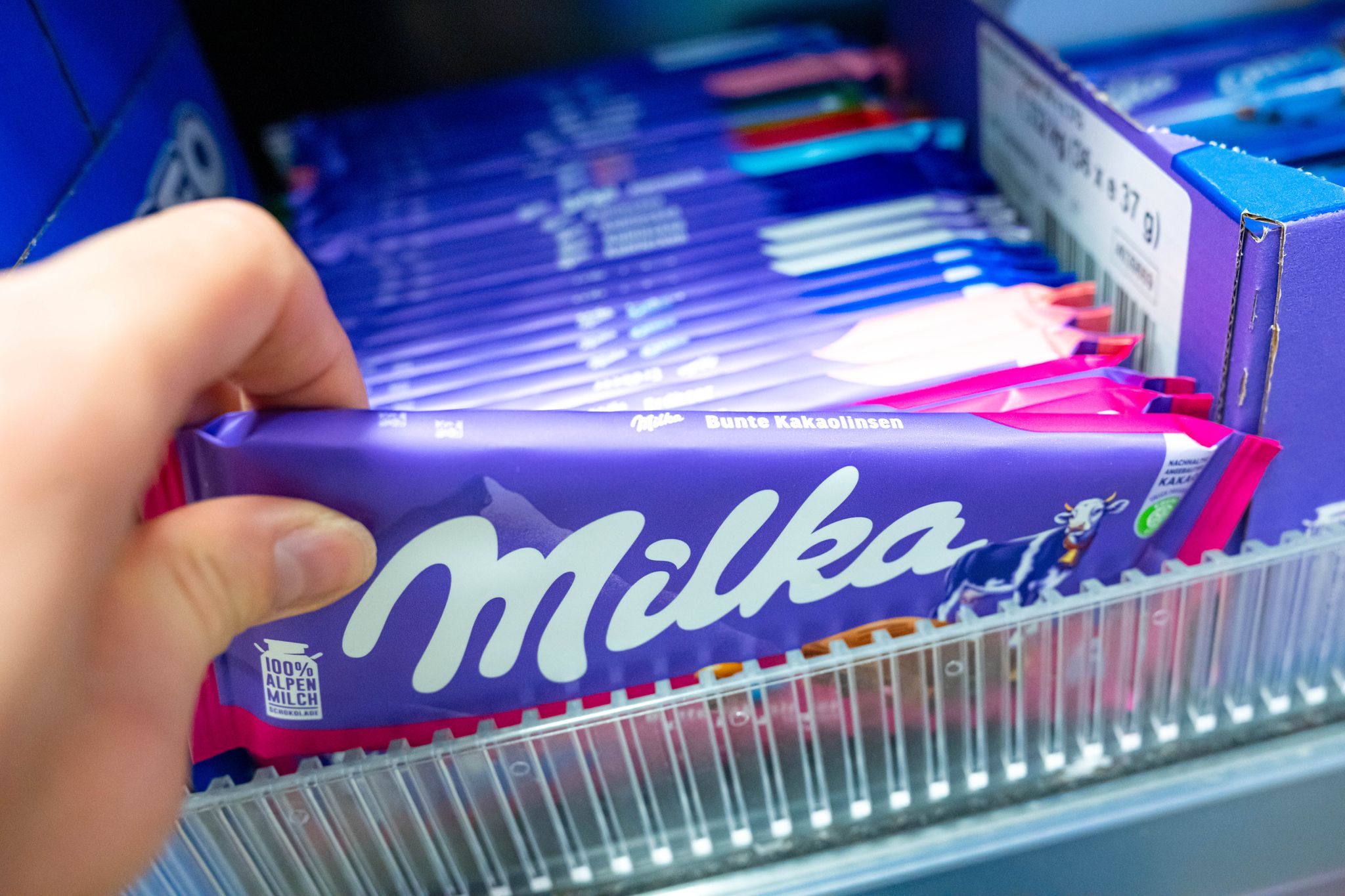
Mondelez International, the Goliath behind Europe’s beloved Milka bars, isn’t taking its lumps lying down. The company recently launched an appeal after a regional German court essentially sided with the average chocolate-lover, finding them to have misled consumers. Specifically, the Hamburg consumer protection center, a sort of tenacious watchdog, kicked off this whole mess, arguing that Milka’s new (Awaiting official quote) — and the accompanying decrease in weight from 100 grams to 87 grams—didn’t get nearly enough transparent fanfare for a product sold at the same price. They called it textbook shrinkflation; the company, predictably, disagrees. But hey, it’s not like the consumer needs a degree in economics to notice their favorite treat got skinny overnight, right?
And so, we’re watching the legal dance unfold. The Hamburg folks first pointed out the reduction way back when, in November 2022. They flagged the ‘Alpine Milk’ chocolate for what they saw as an egregious downgrade. Then a court in Bremen had a look, — and you know what? They issued an injunction, agreeing that the labeling, or lack thereof, wasn’t good enough. That’s why Mondelez has appealed to a higher court in Celle, probably hoping to get that injunction squashed like a half-eaten Kit Kat. One source indicated (Awaiting official quote). Because when profits are on the line, every gram counts, not just for the consumer, but for the company too, especially in the tight margins of consumer goods.
This isn’t some isolated German peculiarity, mind you. Oh no. The struggle against getting less for the same, or more, money is a universal lament. Inflation’s a cruel beast, — and manufacturers around the globe are under immense pressure. Commodity prices, energy costs, labor — they’ve all been spiraling, particularly post-pandemic and with all the geopolitical churn. Reducing product size while holding the price point often feels like the least jarring option for them, much smoother than just jacking up prices, which screams at you from the shelf. Consumers notice, though. Oh, they always notice. The German government, for instance, reported that food prices were up 0.9 percent in February 2024 compared to the previous year, following even steeper rises in 2023. These numbers don’t capture the subtle sting of a shrinking snack bar.
But what does this corporate squabble over chocolate in Central Europe have to do with the broader policy landscape, you ask? Everything, actually. This isn’t just about Milka; it’s about transparency, consumer rights, — and ultimately, economic justice. For many, a chocolate bar is a small indulgence. But multiply that across every item in your grocery basket, from toilet paper to crisps, — and you’re talking real money. This issue has resonance far beyond the neat rows of German supermarkets, reaching into homes in Karachi and Lahore, where economic precarity means every rupee saved, or unknowingly spent on less product, counts for an awful lot.
What This Means
This ongoing legal battle, which could drag on, isn’t going to collapse the German economy, naturally. But it sends a strong message. It’s a barometer of consumer frustration, and frankly, government willingness to intervene when it feels companies are stretching the bounds of ethical marketing. If regulators win big here, it could embolden consumer protection agencies elsewhere, forcing manufacturers to be far more upfront about weight reductions. Imagine that, clear communication before you unwrap. A truly revolutionary concept, wouldn’t you say?
Economically, it shows the difficult tightrope manufacturers walk. They’ve got to manage shareholder expectations — and rising input costs without alienating their customer base. They can hike prices, reduce volume, or try to cut costs internally—often a mix of all three. This legal challenge complicates the second option, potentially forcing them toward more noticeable price increases or innovation that adds perceived value. For markets like Pakistan, where annual inflation has historically soared, consumers are especially vulnerable to such practices. A small change in a biscuit packet can drastically impact the monthly budget of a low-income household. Policies encouraging market transparency—even for things like chocolate—aren’t just niceties; they’re essential tools for consumer protection against hidden inflation. And when you look at it through that lens, even a shrinkflated chocolate bar becomes a proxy for a much larger economic struggle, one playing out from affluent German cities to bustling markets in the Muslim world. It’s all connected, isn’t it?
Ultimately, this case underscores a growing global pushback against corporate opaqueness. It’s a reminder that even in the pursuit of profit, there’s a line, and consumers, alongside their advocates, are getting a whole lot better at spotting when it’s crossed. It doesn’t matter if it’s chocolate in Germany or sugar in Sindh; people expect to get what they pay for. It’s that simple.