
Art’s Hard Numbers: New Mexico’s Grand Gamble on the ‘Creative Economy’
POLICY WIRE — Albuquerque, New Mexico — It’s often romanticized, this idea of the starving artist, the pure visionary toiling in obscurity. But let’s be real; even Van Gogh eventually...

POLICY WIRE — Albuquerque, New Mexico — It’s often romanticized, this idea of the starving artist, the pure visionary toiling in obscurity. But let’s be real; even Van Gogh eventually needed rent money, didn’t he? That raw truth—that creativity, no matter how profound, needs coin to survive—is the rather unvarnished foundation of New Mexico’s latest state-backed economic push. Because a good idea, turns out, can’t just float on its own. It needs a spreadsheet. And probably a lawyer.
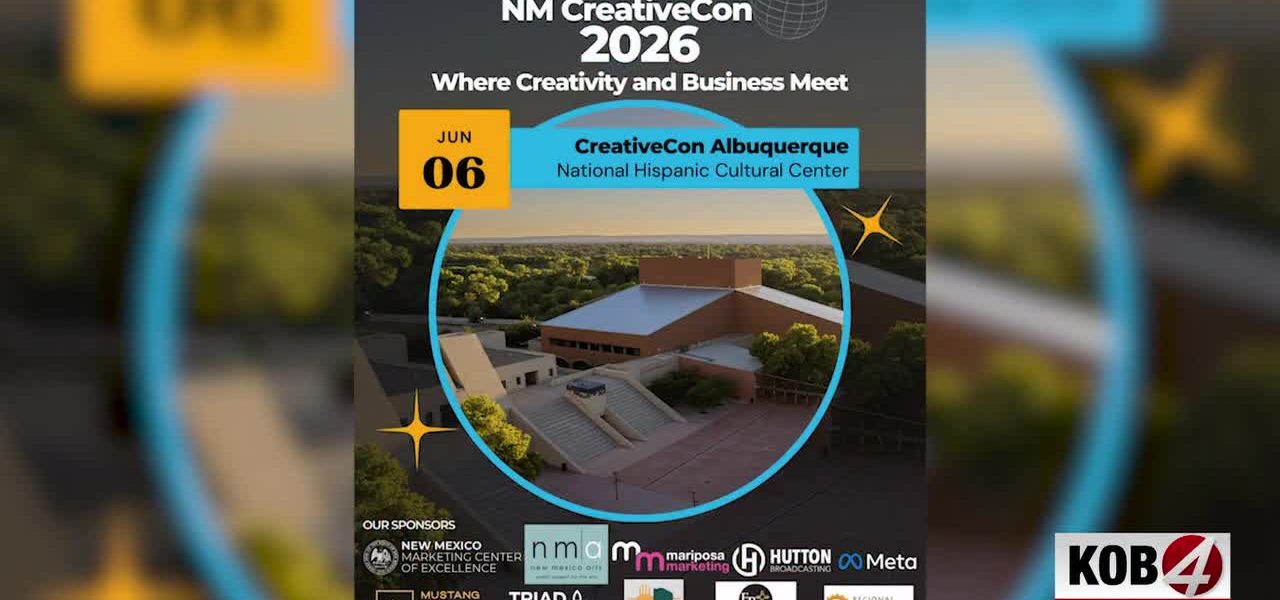
Enter ‘CreativeCon.’ Sounds like a comic book gathering, doesn’t it? But no, it’s New Mexico’s Economic Development Department trying to morph paint-splattered dreams into taxable enterprises. They’re running a roadshow, dragging resource tables and workshop tracks across the desert, aiming to prove that an Instagram portfolio can, actually, pay for groceries.
The state has been at this since March, fanning out across New Mexico’s far-flung corners. Their target? Anyone with a brush, a guitar, a loom, or a nascent brilliant concept who also harbors the deeply inconvenient need to eat. But that’s the deal: state bureaucrats are betting that an organized creative class isn’t just nice-to-have, it’s a solid, job-creating bloc. That’s the hope, anyway.
“We’ve been on the road since March in almost all four corners of the state. And we’re bringing together the different resources, services, grant programs, and business development that’s available for creatives and creative business owners,” observed Shani Harvie, Director of the Creative Industries Division. Her voice carries the particular cadence of someone who’s made this pitch dozens of times, trying to bridge the gap between artistic spirit and cold, hard ROI.
Albuquerque’s turn is next week, June 6, at the National Hispanic Cultural Center. It’s part of a concerted effort—a bit like herding cats, one might imagine, given the independent streak of most artists—to formalize the informal economy of creation. And it isn’t just about painters and sculptors; it’s about musicians, writers, digital artists, even artisan bakers if their wares qualify as sufficiently ‘creative.’ Think of it as a starter kit for self-employment, state-sponsored.
The resource center? It’s practically an archive. “It has over 600 different assets that can help a creative to understand what business resources are in their area, local area, like small business development centers,” explained Arlen Nelson, Coordinator of the Creative Industries Division. They’ve stocked it with everything from how-to guides on navigating tax forms to locating venture capital. For an artist, it’s often like finding an instruction manual for a space shuttle when all they want to do is make pretty lights blink. But they’re trying. Genuinely.
Three distinct workshop tracks are on offer. One for the absolute newbies—the folks who are still sketching on napkins. Another for those who’ve already tried selling a few pieces but haven’t quite cracked the code of capitalism. And then there’s the policy track, aimed squarely at local officials, politicians, — and community developers. Because they’re the ones who really need convincing, aren’t they? The ones who hold the purse strings — and need a nice, neat business case to invest. What’s this creative economy, really? Why bother funding it? Fair questions, maybe. Especially when public budgets are perpetually squeezed tighter than a dry sponge.
A mere $16 gets you in. That modest sum helps fund their grant program—a small but concrete win for participants—and covers the essentials: lunch, plus endless New Mexico Piñon Coffee. You might even snag some magazine placement or social media perks. Sounds almost quaint, doesn’t it, given the larger ambitions at play? But that’s how you get started. One coffee, one conversation, one potential small business loan at a time.
What This Means
This initiative, while seemingly hyper-local, represents a broader, unspoken shift in economic thinking across the globe. No longer is industrial manufacturing or even pure tech considered the sole engine of prosperity. The ‘creative class’ – once considered an aesthetic indulgence – is increasingly being viewed as a legitimate, even hard-nosed economic actor. New Mexico isn’t alone here. Across South Asia, from the vibrant tech hubs of Bengaluru to the bustling craft markets of Lahore, governments and non-profits are similarly grappling with how to formalize and empower their own creative talent pools. Often, it’s the sheer number of young people in places like Pakistan entering the digital and artistic fields that forces the issue, necessitating policies that move beyond patronage to real business support. They too, have to reconcile grand traditions with marketplace realities.
And let’s be blunt: state-sponsored creativity isn’t without its tensions. Is the goal simply to produce more ‘sellable’ art, or to truly foster a rich cultural landscape that can also, occasionally, pay its own way? The cynic might observe it’s an effort to commercialize passion, to stamp a SKU on every inspiration. But pragmatism dictates this is how many states believe they’ll keep talent from bolting for more established creative economies. This isn’t just about charity; it’s about job creation. The U.S. Bureau of Economic Analysis reported in 2022 that the arts and cultural sector contributed a stunning $1.1 trillion—that’s a full 4.3%—to the U.S. economy. That’s real money, even if it often comes from an invisible, ethereal source. Governments are slowly waking up to the fact that supporting a viable creative economy is less about fluffy cultural enrichment and more about actual GDP growth. It’s a quiet revolution, transforming state economic departments from focusing solely on heavy industry to nurturing delicate artistic endeavors, even if it feels a little unnatural for everyone involved. But hey, it’s about time art got its proper economic due, right?