
Arbaeen, Security, and the Sacred Duty of the State
Every year, as the holy month of Muharram passes and the 40th day of mourning Arbaeen approaches, a spiritual tide begins to rise in Pakistan. From small towns to major cities, thousands prepare...

Every year, as the holy month of Muharram passes and the 40th day of mourning Arbaeen approaches, a spiritual tide begins to rise in Pakistan. From small towns to major cities, thousands prepare their hearts and bodies for a journey that is more than a pilgrimage. It is a declaration of love for Imam Hussain (A.S.) the grandson of the Prophet Muhammad (PBUH) who stood against tyranny in Karbala. That journey, for many Pakistanis, begins not in Iraq or Iran, but in Balochistan.
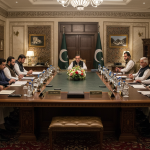
But this year, the road to Karbala has been closed and the reason is not indifference or negligence, it is protection. It is the state fulfilling its sacred duty. Faced with a deteriorating security situation in Balochistan where militant attacks have intensified and pilgrim routes have become high-risk zones the Government of Pakistan has made the difficult decision to suspend overland travel for Arbaeen pilgrims. In its place, special flight operations have been arranged under the direct orders of Prime Minister Shehbaz Sharif.
This is not a restriction of faith. It is a protection of life. The roads of Balochistan have long been vulnerable. Pilgrims traveling through this region have previously been targeted ambushed, bombed, and gunned down by sectarian outfits and separatist militants. The grief of past tragedies is still fresh. And while the love for Karbala remains eternal, no state with conscience can allow history to repeat itself. Those who seek to politicize the move must ask: what should a responsible government do when credible threats emerge? Should it ignore intelligence? Should it risk the lives of elderly mothers, young children, and pious travelers on the most volatile terrain in the country?
No. It should act and it has. The Interior Ministry’s consultation with security agencies, the Balochistan government, and the Ministry of Foreign Affairs reflects a proactive state not a reactive one. A state that is not waiting for bloodshed to react. A state that is not gambling with the lives of its zaireen (pilgrims). The flight arrangement is not an alternative, it is a lifeline. Pakistan International Airlines has already launched a special Arbaeen flight operation. More are being added. While fare concerns are valid especially for lower-income pilgrims the solution is not to demand open roads in an unsafe zone. The solution is to demand affordability, government-backed subsidies, and maximum capacity for air travel.
This is where public pressure should be focused: not against the ban, but for better facilitation. That’s what a mature, united, pro-Arbaeen voice should call for. For too long, pilgrimages to Iran, Iraq, and Syria were managed informally. Unregistered operators, unchecked convoys, overstayed visas, and undocumented border crossings plagued the system. Host countries raised concerns. Pakistan, in response, has finally started to implement a structured system for pilgrimages a long-overdue reform.
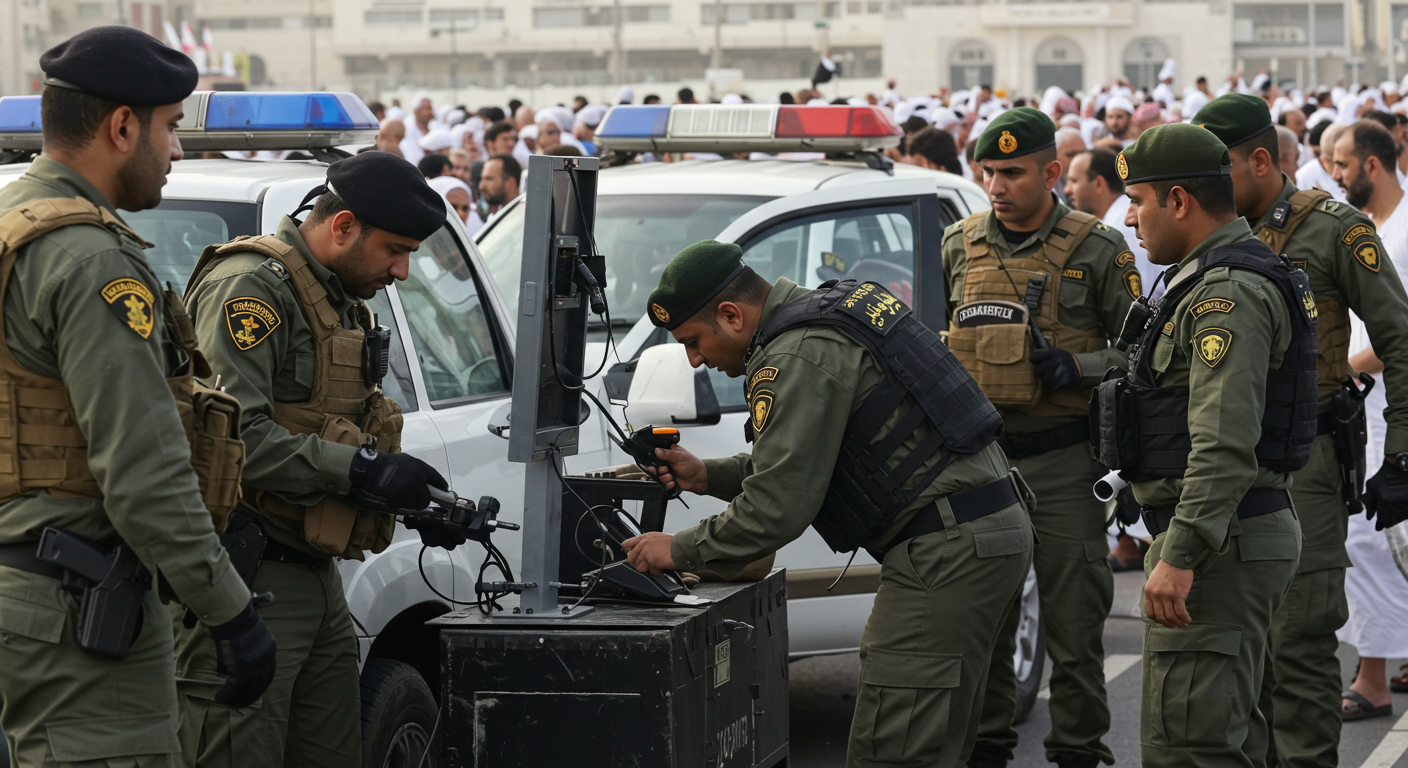
Order is not the enemy of spirituality. It is its protection. It’s easy to romanticize the road to Karbala. But it’s harder to secure it. In a region where terrorism, insurgency, and geopolitical instability intersect, safeguarding thousands of religious travelers is not just a logistical task, it’s a national security priority.
Yet, amid this, what remains unwavering is the spiritual heartbeat of Pakistan. No other country in the region sends as many pilgrims for Arbaeen as Pakistan does. No other country has witnessed such deep-rooted emotional commitment to Imam Hussain’s message across sects, classes, and generations. The love for Karbala in Pakistan is unmatched. And it is that very love that the state now seeks to protect.
📄 POLICY WIRE WHITEPAPER PUBLISHED: PAKISTAN'S NATIONAL SECURITY POLICY PRIORITIES
👉 READ BY CLICKING HEREIt must also be said: the government cannot stop here. The emotional and financial distress caused to pilgrims by last-minute changes must be addressed. There must be emergency compensation options for those who had invested in road travel. There must be urgent communication with private airlines to prevent exploitative fare hikes. And there must be transparency in how group organizers are registered under the new Zaireen policy. But these are demands for improvement not reasons to reject the policy altogether. The Islamic Republic of Pakistan is not turning its back on Arbaeen. It is turning its full attention to how it can be observed with honor, safety, and dignity. For Imam Hussain (A.S.) sacrificed his life not for a route but for a principle. For justice. For protection of the vulnerable. For standing tall when others remained silent. In that spirit, Pakistan’s decision to close dangerous roads and open safer skies must be seen for what it truly is:
A reflection of duty.
A reflection of love.
A reflection of Hussaini courage.
Author