

Ankara’s Scathing Rhetoric Sparks Fresh Diplomatic Tempest with Jerusalem
POLICY WIRE — Jerusalem, Israel — It’s a familiar drumbeat across the diplomatic landscape: another sharp elbow thrown, another diplomatic slight that sends ripples across the already volatile Middle...

POLICY WIRE — Jerusalem, Israel — It’s a familiar drumbeat across the diplomatic landscape: another sharp elbow thrown, another diplomatic slight that sends ripples across the already volatile Middle East. But this time, it’s not just the usual suspects making noise. Turkey, under President Recep Tayyip Erdoğan, has seemingly decided to abandon even the pretense of measured diplomacy when it comes to Israel, launching rhetoric so acidic it leaves little room for nuance. And frankly, the region’s no stranger to harsh words, but these? They’re different.
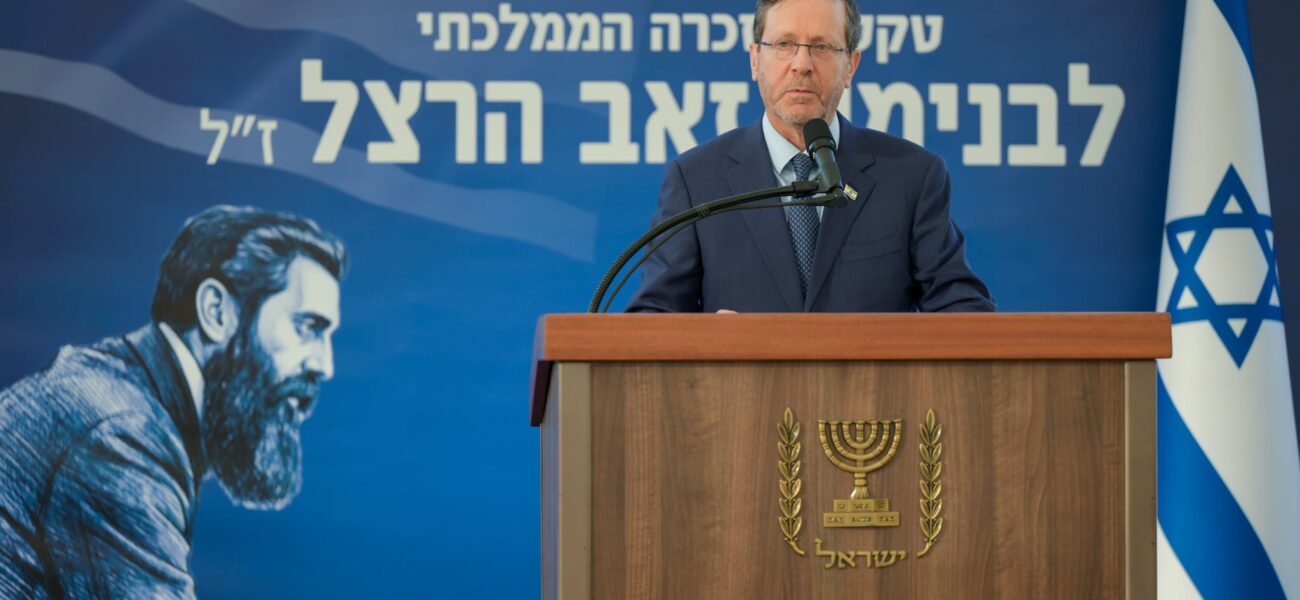
Israeli President Isaac Herzog didn’t mince words this week, hitting back hard at Ankara’s latest salvo. Turkish Foreign Minister Hakan Fidan, a man known more for his shadowy intelligence background than diplomatic finesse, recently declared Israel an “absolute burden on the world.” A direct hit, wasn’t it? Herzog called it for what it was: a baseless, antisemitic attack designed to fan the flames of regional hatred rather than seek resolution. “Such outlandish accusations don’t just destabilize regional discourse; they play directly into the hands of those who wish to see no peace whatsoever,” Herzog remarked, his voice edged with frustration during a press briefing. “It’s a deeply irresponsible stance, insulting to our people, — and frankly, unhelpful to everyone seeking stability.”
Because Ankara’s diplomatic playbook often seems ripped from an old Cold War manual, these comments fit right in. But it’s also clear that Fidan isn’t speaking off the cuff. This aggressive posture aligns perfectly with Turkey’s broader push for greater influence within the Muslim world, often at the expense of established regional powers. “Israel’s actions continue to challenge the very conscience of humanity,” Fidan reportedly stated last month, doubling down on the narrative that positions Turkey as a righteous champion for perceived injustices. “When an entity repeatedly inflicts suffering and ignores global condemnation, it doesn’t just alienate; it isolates itself from the global family—and frankly, makes our path forward that much harder.” He certainly isn’t wrong about isolation, just about who’s isolating whom.
And let’s be honest, Turkey’s internal political calculus often dictates its external pronouncements. With elections on the horizon, or perhaps a consolidation of power, stirring anti-Israel sentiment resonates deeply with certain segments of their electorate. It’s a convenient distraction, too, from their own domestic economic struggles, which, according to the World Bank, saw Turkey’s annual inflation rate hover around 70% in 2023—a grim reality for many of its citizens. Such fiery statements often provide a convenient vent for popular frustrations. But it isn’t sustainable.
This isn’t just about two nations lobbing verbal grenades; it reflects a deeper ideological clash reverberating across continents. Turkey has been actively courting countries like Pakistan, offering a narrative of shared Islamic brotherhood against what it frames as Western-backed hegemony. Look no further than their collaborative efforts in various international forums, often presenting a united front on issues pertaining to Palestinian rights or broader Muslim identity. For Islamabad, aligning with Ankara provides a counter-balance to other regional dynamics, positioning itself as a key player in an emerging, if nebulous, pan-Islamic bloc. It’s an interesting partnership, watching two ambitious players jockey for regional — even global — influence, often through the lens of shared faith. You’d think they’d have bigger fish to fry, right?
📄 POLICY WIRE WHITEPAPER PUBLISHED: PAKISTAN'S NATIONAL SECURITY POLICY PRIORITIES
👉 READ BY CLICKING HEREBut the realpolitik here can’t be ignored. While such harsh words generate headlines, they simultaneously undermine any realistic pathway to dialogue. Neither Jerusalem nor Ankara benefits from escalating hostility, particularly as regional instability — think Iran’s nuclear ambitions or the ongoing conflict in Ukraine — demands greater unity, or at least a cessation of open hostility, from global actors. Diplomatic relations, already strained, often bear the brunt, leading to economic repercussions that hurt ordinary folks on both sides. And let’s not forget the security implications; fiery rhetoric has a way of encouraging less measured actions from fringe groups. That’s a mess no one really needs right now, is it?
What This Means
Turkey’s increasingly sharp public critiques of Israel signal a deepening of its post-normalization reset in the Mideast, moving decidedly away from any immediate prospect of genuine diplomatic rapprochement. This isn’t just about inflammatory soundbites; it represents a strategic decision by Ankara to solidify its standing within a specific geopolitical alignment—one that seeks to position Turkey as the dominant voice for a particular segment of the Muslim world, challenging not only Israel but implicitly, any nation that supports its existence. Economically, this persistent friction stifles potential trade and investment, limiting crucial partnerships in energy and technology that could otherwise benefit both nations and the broader Eastern Mediterranean. The echoes of these words will be heard across the Muslim world, from South Asia to North Africa, potentially emboldening other actors to adopt similar confrontational stances, making any form of future reconciliation—even a guarded one—significantly more challenging. It complicates alliances, period. And honestly, no one’s better off for it.