

Anfield’s Unsettling Cadence: Liverpool Weighs Pragmatism Over Public Face Amid Whispers of Change
POLICY WIRE — Liverpool, UK — The rumour mill in European football usually churns slowly, a languid waltz of speculation and whispers. But at Anfield, the rhythm’s shifted to a sharp,...

POLICY WIRE — Liverpool, UK — The rumour mill in European football usually churns slowly, a languid waltz of speculation and whispers. But at Anfield, the rhythm’s shifted to a sharp, unsettling drumbeat, signalling more than just another managerial carousel ride. It’s an administrative dilemma playing out in the full glare of the global sporting arena, casting a shadow over Liverpool FC’s immediate future. And it’s not just about wins and losses; it’s about the very calculus of club governance, especially when millions of devoted fans — from Bootle to Bangladesh — hang on every decision.
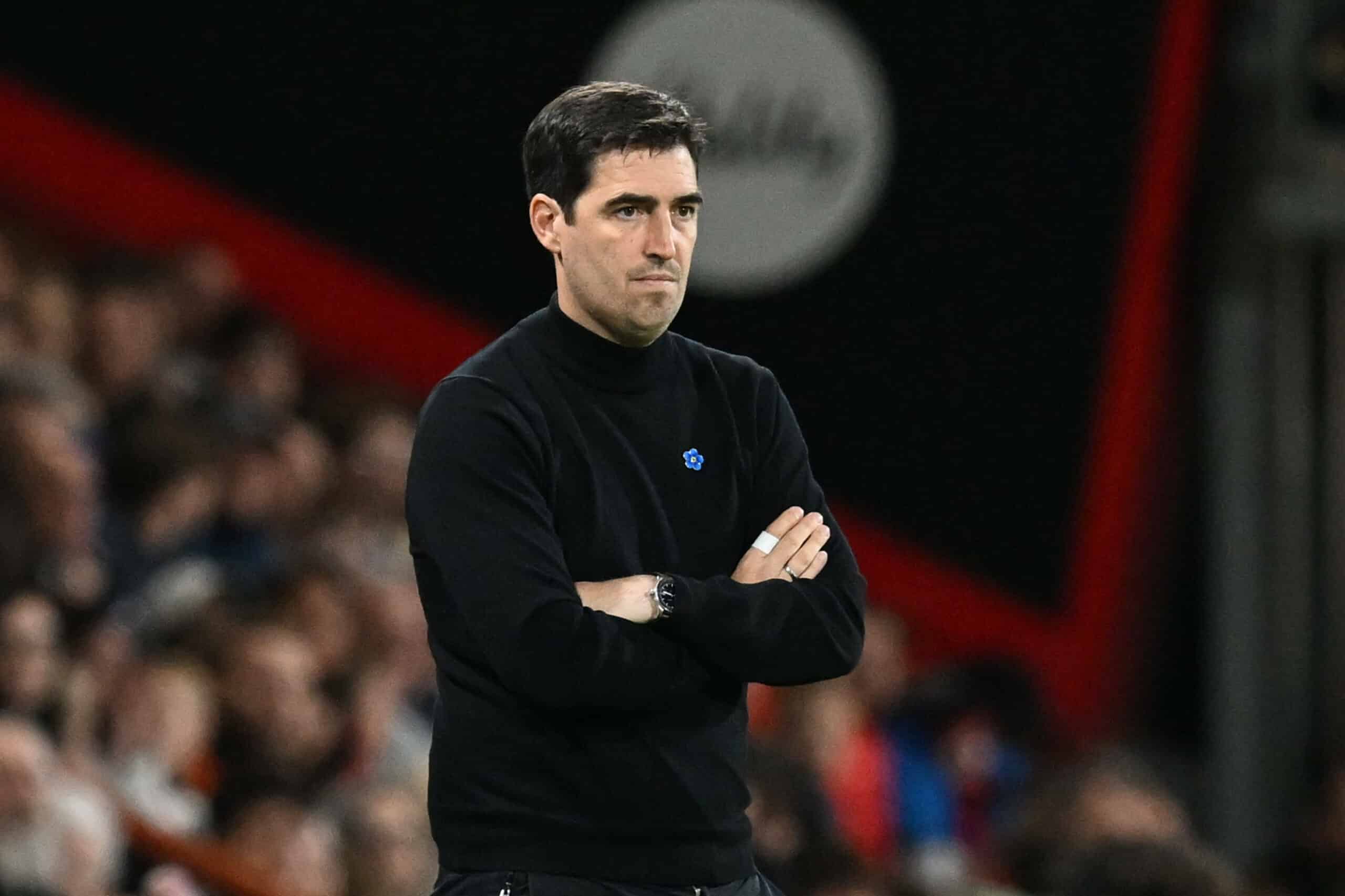
After a campaign that, by any objective measure, has unravelled with disquieting speed, questions about Arne Slot’s tenure have reportedly moved beyond mere fan chatter. They’re now being debated, quietly but intensely, in the hallowed corridors of Anfield’s executive suites. The Dutchman arrived with big shoes to fill, a challenging successor to Jürgen Klopp’s era-defining reign. Yet, reports out of France suggest that rather than letting things play out, the club’s new sporting director, Richard Hughes, has already — and discreetly, mind you — begun exploring contingency plans. Call it shrewd foresight or a nervous twitch, but Foot Mercato claims Hughes has ‘activated a lead he knows perfectly well’ in Andoni Iraola, the Spanish manager he’d first brought to Bournemouth.
That personal connection between Hughes — and Iraola isn’t just interesting; it’s telling. Hughes isn’t known for knee-jerk reactions. He’s the type who builds systems, plans for tomorrow while managing today. His recruitment philosophy, many say, values character and adaptability just as much as talent, and Iraola fits that mold precisely. We’re talking about a guy who, operating on a relative shoestring at Bournemouth, still managed to transform them into a legitimately aggressive, tactically fluid Premier League outfit. His teams press like mad, attack with purpose, — and don’t shrink from a challenge, no matter the opposition. This season alone, Bournemouth demonstrated impressive tactical maturity alongside sheer intensity, going on an extended unbeaten run that few predicted.
Because the Premier League is a leviathan, a global entertainment product generating staggering revenues—roughly £5.3 billion in international broadcast rights alone in 2023, according to Deloitte’s latest analysis—no club at Liverpool’s stature can afford sustained underperformance. Every decision is amplified, every misstep scrutinised, not just in Merseyside, but in vast, passionate markets like Pakistan and across the Muslim world, where English football is almost a religion unto itself. The merchandising revenue alone from such regions forms a significant chunk of many top clubs’ bottom lines. Fans there, as much as anywhere, demand a competitive team, something Slot’s Liverpool hasn’t consistently been lately.
But Hughes isn’t just about pragmatism. He’s also about reducing risk. This isn’t some impulsive play, not when an existing relationship already bridges the trust gap. Hughes understands how Iraola operates on the training ground, how he navigates recruitment challenges, and how he manages complex dressing-room dynamics. That familiarity reduces variables, which is gold dust in modern football management. Remember, FSG, Liverpool’s owners, don’t typically do emotional appointments. They favour candidates who slot into a clearly defined institutional model.
Still, you’ve got to wonder. A change of this magnitude, so soon after a lauded predecessor, screams desperation in some quarters. Senior sources, however, maintain a carefully composed exterior. Speaking to Policy Wire off the record, one official close to Hughes acknowledged, “We’re always scanning the horizon, looking for talent that fits our model, our ethos. That’s just smart business; it’s not about present performance, but future potential. We owe it to the club to be prepared for every eventuality.” Mike Gordon, President of Fenway Sports Group, also recently stated, “This club operates on stability, on a foundation of long-term vision. Any decisions regarding personnel are made with the institution’s future, and its global impact, firmly in mind.” That sounds like measured corporate speak, which could be interpreted in many ways.
Now, while public declarations maintain a facade of calm and support for Slot, the quiet manoeuvres tell a different story. If Iraola is indeed a serious option, it implies deep internal concern. This isn’t just speculation among the fan forums anymore. It’s the whisper that grows louder when the stakes are highest, when Champions League football and hundreds of millions in prize money hang in the balance. Liverpool are approaching a defining summer, alright. The big decision, which feels like it’s coming, might just hinge on what the bean counters say more than what the supporters sing.
What This Means
This isn’t just a football story; it’s a window into the evolving, cut-throat economics of elite global sport. The potential ousting of a manager within months isn’t just a sign of impatience; it’s a testament to the immense financial pressures bearing down on mega-clubs. Modern football, with its colossal broadcast deals, merchandising empires, and intense competition for talent, demands instant gratification and continuous, measurable success. There’s no room for a grace period anymore. For FSG, who typically play the long game, this rumoured early move signals a perceived failure in their ‘stability over panic’ approach regarding Slot. But it also shows an almost ruthless efficiency from Richard Hughes, indicating that perhaps the romanticism of football is increasingly giving way to a colder, harder, data-driven analysis of human capital. The political implication? Leadership in such high-stakes environments must appear decisive, even if that means abandoning a previous strategy swiftly. Any hesitation could be seen as weakness, costing not just trophies, but significant market share in an intensely competitive global industry. The ripple effect, financially and emotionally, on vast fan bases like those in South Asia, could also impact brand loyalty, which isn’t just sentimental — it’s cash.
The club has consistently tried to present a picture of composure. They always do. But underneath that calm exterior, you can sense the tension. The question isn’t just who manages the team; it’s who steers the whole colossal ship when the waters get choppy. And that, dear reader, is always a political question.