

Ancient Guardian’s Demise: Major Oak’s Fall Sparks Heritage Reckoning
POLICY WIRE — Nottingham, United Kingdom — It isn’t often that the demise of a singular organism, rooted for centuries in an English forest, compels a national reckoning with shared memory and...

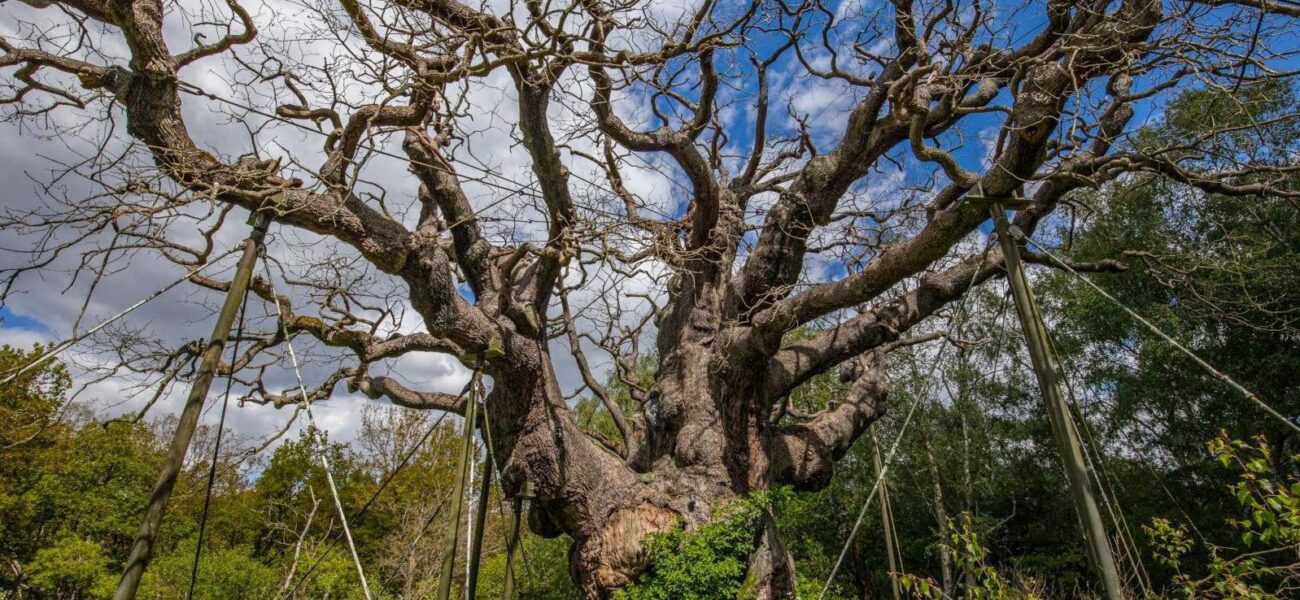
POLICY WIRE — Nottingham, United Kingdom — It isn’t often that the demise of a singular organism, rooted for centuries in an English forest, compels a national reckoning with shared memory and policy oversights. But here we’re. The passing of the famed Major Oak, an arboreal monarch in Sherwood Forest and a silent witness to countless generations, has done precisely that.
It wasn’t a sudden axe or a wildfire’s fury, but an inexorable decline. A slow, quiet relinquishing of life, much like many an aging policy or fading political promise. This tree, storied to have sheltered Robin Hood himself—if such tales weren’t entirely woven from moonbeams and desire—represents something far weightier than mere timber. It’s a national emblem, a cultural touchstone. And its fading prompts a public outpouring, not of grief for a plant, but for what it represented: permanence, heritage, and perhaps, a quiet reflection on our own transient impact.
Officials aren’t just letting it go. They’ve launched an unusual, almost poetic appeal: a call for photographs. It’s not about capturing the moment of its final breath, but about collecting the visual legacy, thousands upon thousands of snapshots people have taken over the decades, images that tell stories of visits, family, history. This push, we’re told, aims to [QUOTE_PLACEHOLDER] preserve its story for generations to come, as if digital pixels can truly bottle the oxygen and shadow it once offered.
But there’s a sharper edge here, a question that scrapes beneath the bark. Is this photo drive merely a sentimental exercise, a public relations palliative for a loss that could, perhaps, have been better managed? Or does it hint at a deeper governmental recognition of nature’s often-underestimated role in national identity and public sentiment? For instance, similar grand old trees or historical natural sites in countries like Pakistan — think of the ancient Banyan trees that dot historical landscapes or Sufi shrines — often receive fluctuating attention, sometimes revered, sometimes neglected in the face of rapid urbanization or economic pressures. The preservation of such landmarks isn’t just an ecological concern; it’s a political act, often reflecting a nation’s commitment to its intangible heritage.
And let’s be frank, this tree wasn’t some unknown sapling. It was a tourist magnet. It was an identity pillar for Nottinghamshire. Now, in the aftermath, the county council, along with English Heritage, finds itself grappling with not just sentimental loss but also potential economic fallout from the demise of a prime attraction. You don’t just replace 1,000 years of slow growth with a fresh planting. It takes time, policy, and serious cash.
One regional tourism report, for example, quietly noted that the Major Oak alone contributed an estimated 3.2 million GBP annually to the local economy through visitor spend, an almost incomprehensible figure for a stationary wooden entity. That’s a lot of revenue for an old tree, isn’t it? Its passing, therefore, isn’t just an ecological footnote; it’s an economic tremor.
Because, well, symbols matter. Across the Muslim world, ancient trees often hold immense spiritual and cultural significance, marking holy sites or offering respite as community gathering points. Their existence isn’t merely biological; it’s a living archive of community — and belief. Losing one is rarely just about environmental decay; it’s a fragment chipped from a larger cultural narrative.
This situation highlights an undercurrent we often ignore in policy circles: the sheer political weight of environmental conservation. It’s not always about polar bears or disappearing ice caps; sometimes it’s about the very roots of our local identity. When those roots wither, people tend to notice. They don’t just send in old photos; they might start asking harder questions about resource allocation, about what gets prioritized when budgets are tight, and whether their elected officials truly grasp the long-term value of maintaining these quiet, green monuments.
What This Means
The death of the Major Oak isn’t a isolated botanical event. It’s a bellwether. Economically, Nottinghamshire now faces the challenge of re-branding or diversifying its attractions to mitigate the loss of such a significant draw. While there are other draws to Sherwood Forest, an icon is gone. That 3.2 million GBP figure, if not completely recovered, represents a tangible hit to local businesses — and employment. It’s a reminder that natural assets are economic assets.
Politically, the public appeal for photographs, while heartfelt, also serves as an act of damage control, a demonstration of concern in the face of loss. It’s an attempt to channel public sentiment into engagement rather than critique. The conversation invariably shifts towards preventative measures: how well are other national treasures being cared for? Are conservation efforts adequately funded? These questions will undoubtedly surface in local council meetings and perhaps even in parliamentary debates about environmental policy and heritage protection.
Globally, the Major Oak’s fall resonates with a growing consciousness about climate change — and deforestation. For nations like Pakistan, already battling severe environmental degradation and rapid urbanization, the public reaction to this tree’s death underscores the universal human connection to ancient natural symbols. It highlights how, regardless of geography, the slow erasure of such landmarks forces a confrontation with legacy and responsibility. It isn’t just about preserving trees; it’s about safeguarding history, identity, and the very fabric of our communities. And sometimes, you know, it takes the death of a thousand-year-old oak to make us really see it.