


MLB 4th of July Paywall: Culture vs. Commerce
MLB's 4th of July games went behind a paywall, sparking debate. Is the 'national pastime' sacrificing cultural access for profit? Unpack the controversy.

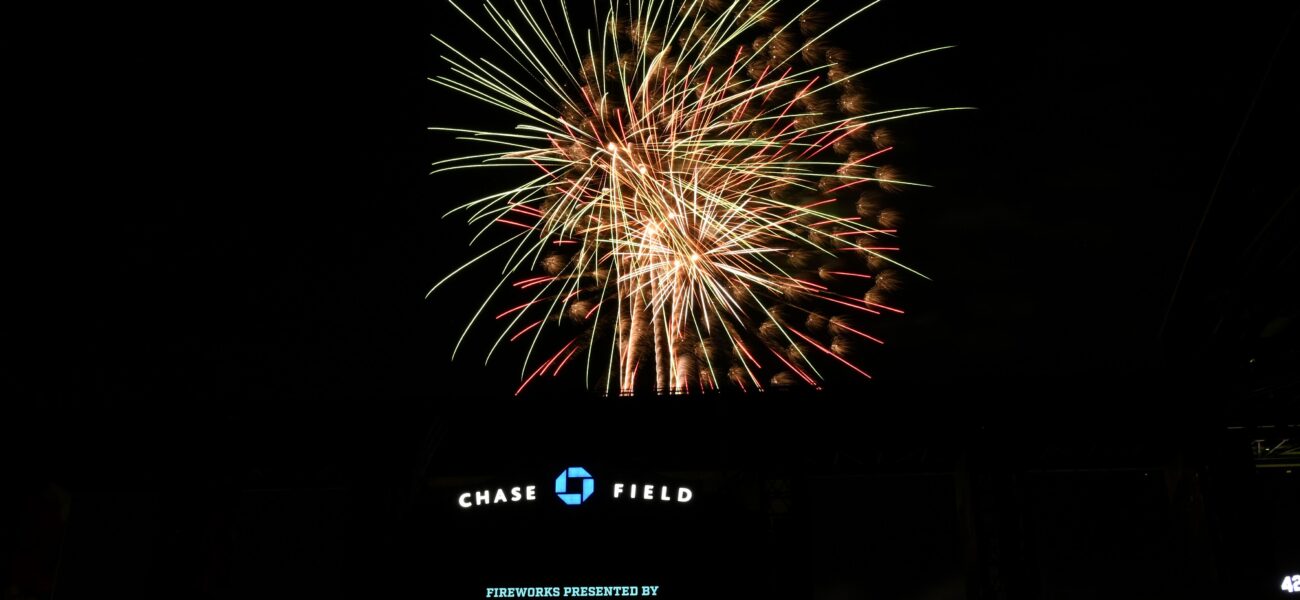
POLICY WIRE — PHOENIX, AZ — It wasn’t the fireworks that marked Independence Day, at least not the ones illuminating Phoenix’s evening sky. And it certainly wasn’t the plucky, albeit precarious, 4-3 victory the Arizona Diamondbacks scraped from the Milwaukee Brewers on a night dripping with corporate irony. No, the real spectacle of this Fourth of July, 2025, played out not on the diamond but across America’s ever-fracturing media landscape.
While fans in Chase Field enjoyed their hot dogs — and heroic swings, a peculiar silence settled over millions of homes. Most of Major League Baseball’s Fourth of July slate — including the very game that saw the D-Backs’ Adrian Del Castillo launch a first-inning, three-run homer and Merrill Kelly somehow wrestle out of repeated jams — was held hostage behind a paywall. Comcast’s Peacock streaming service, in a bold marketing maneuver it branded “Star-Spangled Sunday,” decided that celebrating the nation’s 250th birthday meant excluding any fan unwilling to cough up for a premium subscription. Just a couple of games made it to broader television. The rest? Pay up, America.
It’s not just a commercial transaction; it’s a statement. And it’s one that doesn’t sit well with everyone. “You tell me that on America’s birthday, the ‘national pastime’ is reserved for those who can afford yet another streaming service?” asked Representative Eleanor Vance (D-CA), her voice thick with barely concealed exasperation. “This isn’t about patriotic tradition; it’s about profit maximization. Our national treasures, even our cultural ones, shouldn’t be held for ransom.”
But the tech world, ever the pragmatist, sees it differently. Julian Thorne, CEO of a prominent digital rights management firm, shrugs off the criticism. “The market decides value. Consumers want choice, convenience, — and unique content,” he posited from his silicon-sheathed office. “Broadcasters are simply innovating to meet demand in a shifting landscape. Besides, they’re investing heavily in the future of the sport.” Funny, it didn’t feel like investment to the frustrated grandpa trying to watch the Diamondbacks win on his old antenna.
The Diamondbacks’ actual game felt almost anachronistic against this backdrop of digital skirmishes. They scored three quick runs in the first — thanks to Del Castillo’s blast — then largely went quiet until a late eighth-inning rally padded their lead. Pitcher Merrill Kelly, against all odds and his own dismal form (a 5.84 ERA coming into the game), somehow survived several innings of Milwaukee threats. It was, let’s just say, an exercise in managerial heartburn. The bullpen, including Jonathan Loaisiga and Brandyn Garcia, managed to hold the line, too, until Paul Sewald gave up a solo shot in the ninth that narrowed the gap. They just held on. They just barely held on.
📄 POLICY WIRE WHITEPAPER PUBLISHED: PAKISTAN'S NATIONAL SECURITY POLICY PRIORITIES
👉 READ BY CLICKING HEREThe entire affair, this celebrated triumph, feels symptomatic of a broader ailment. Consider for a moment the cultural implications. How do we explain this increasingly fragmented access to a global audience, say, in Pakistan or other South Asian nations where baseball remains a curiosity at best, a novelty sport if it’s noticed at all? Countries where cricket reigns supreme often make their national sporting events broadly accessible — sometimes even on state-run television. But here, the supposed “American pastime” gets parceled out. It’s a digital divide that extends beyond our borders, too.
According to a 2024 analysis by MediaSense, revenue from exclusive live sports streaming rights is projected to top $27 billion globally this year, representing a 15% increase over 2023 figures. This isn’t just growth; it’s a stampede. Companies aren’t just looking for eyeballs; they’re looking for credit card numbers, a new kind of patriotism driven by subscriptions. So, while Phoenix lit up for a home run and a July 4th win, much of America was left in the digital dark, wrestling with an uncomfortable question: what exactly are we celebrating, and for whom?
What This Means
This incident, far from being a simple inconvenience for baseball fans, represents a deeper ideological struggle over the nature of public goods and cultural access in an increasingly monetized digital economy. Politically, it provides fertile ground for — you guessed it — populism. Lawmakers, especially those facing reelection, will invariably leverage public frustration against what they term corporate greed. They’ll decry the “erosion of shared experiences,” even if their proposed solutions often falter on the intricacies of free-market capitalism and broadcast rights. Economically, this model generates significant short-term revenue for content owners and distributors, but it risks alienating a broader, less tech-savvy, or economically disadvantaged audience. The long-term impact on the sport’s popularity, especially among younger generations accustomed to free, readily available content (or entirely different sports), remains uncertain. You can’t just keep squeezing the orange. The cultural cost of a fractured audience — particularly for something historically tied to national identity — could outweigh the immediate financial gains. It’s a calculated gamble, to be sure, and one that feels distinctly un-American, at least in spirit, on the Fourth of July.