


Albuquerque’s West Side: Decades-Long Vision Culminates in Community Hub
POLICY WIRE — ALBUQUERQUE, N.M. — It only took a shade under thirty years. Thirty years for an idea, a community whisper really, to congeal into steel — and glass on Albuquerque’s West Side. An...

POLICY WIRE — ALBUQUERQUE, N.M. — It only took a shade under thirty years. Thirty years for an idea, a community whisper really, to congeal into steel — and glass on Albuquerque’s West Side. An endeavor that — let’s be honest — seemed more likely to be buried under another generation of bureaucratic inertia than actually come to fruition. But it did. Because sometimes, the grind just pays off, doesn’t it?
This isn’t just about another place to, you know, lift weights. Not according to the folks running the show, anyway. The new Westside Family YMCA, located rather inconspicuously near Coors — and Alameda, opens its doors this weekend. And for many longtime residents, it’s a bit like seeing a mythical creature finally land on your front porch, sans the fire-breathing, naturally. The Rio Grande separating east from west here in the Duke City isn’t just a geographical divide; it’s always felt like a barrier to equitable resource distribution too. So, this isn’t insignificant.
Christopher Martinez, the executive director, didn’t mince words on the public’s sustained badgering for a facility of this ilk. “The West Side community has been asking for a YMCA and we wanted to deliver,” he said. And he wasn’t stopping there, hammering home the point: “We’re so much more than a gym. We’re really about being a community anchor, a community hub, a community gathering space.” It’s a good line. They’re betting the ranch, metaphorically speaking, on proving it true.
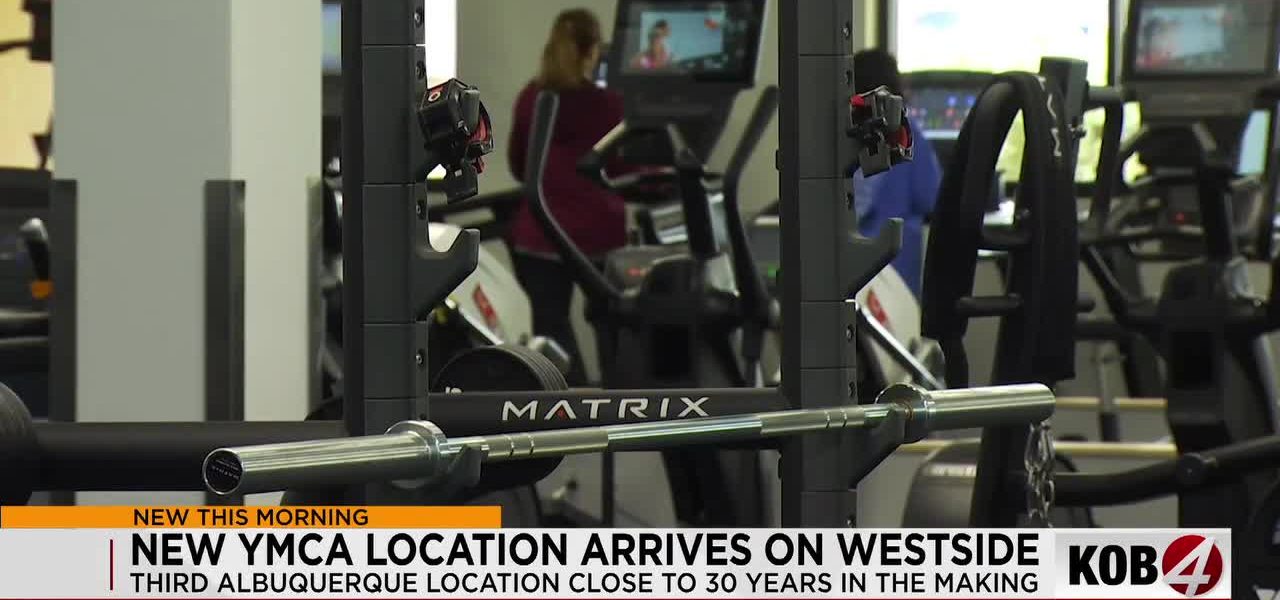
The facility, though tucked away in a strip mall, appears to be the real deal. You’ve got all the cardio gadgetry— [QUOTE_PLACEHOLDER] They’ve also got these two distinct studio spaces. Think yoga. Think cycling. They’re asking members to basically crowdsource the curriculum. [QUOTE_PLACEHOLDER] That’s a bold promise for a spot that’s only just throwing open its doors, but Martinez sounds like he means it. You get the sense they’ve waited too long to just phone it in.
But the true policy impact — and perhaps where its potential influence truly resides — isn’t just in adult fitness classes. It’s in the often-overlooked necessity of childcare. They’re jumping into that fray with both feet. The Westside YMCA will provide care for children “for six weeks and up, so we even take the little infants.” Yes, infants. And if that isn’t enough, they’ve [QUOTE_PLACEHOLDER] Come August, there’s even a promise of universal pre-K classrooms. That’s not a gym, that’s infrastructure, a bona fide piece of social safety net, albeit privately managed. This new location, we’re told, is expected to add an extra 40 childcare slots to the growing supply here in Albuquerque.
📄 POLICY WIRE WHITEPAPER PUBLISHED: PAKISTAN'S NATIONAL SECURITY POLICY PRIORITIES
👉 READ BY CLICKING HEREAnd it’s a nonprofit, so accessibility is their mantra. Money shouldn’t be an issue, according to Martinez. [QUOTE_PLACEHOLDER] A single adult membership starts at a respectable $29, making it a viable option for many families on a budget. It’s this sort of commitment, perhaps more than the treadmills, that resonates.
What This Means
The protracted, almost glacial, emergence of the Westside Family YMCA speaks volumes about the challenges and aspirations of urban development in the American Southwest. A three-decade gestation period isn’t merely a delay; it’s a symptom of deeper structural issues, perhaps including initial planning missteps, funding hurdles, or shifts in demographic priority. But its eventual arrival underscores a recognized and sustained community need, one that transcends just physical fitness to touch upon education, family support, and community cohesion. For municipalities across the globe, from the burgeoning satellite cities of Islamabad to the sprawling suburbs of Karachi, the absence or presence of such inclusive, multi-generational community hubs dictates more than just leisure options. They become essential pressure valves for social dynamics, offering constructive outlets — and critical services. This facility in Albuquerque’s West Side, much like well-funded community centers might in Lahore’s newer districts, won’t solve every societal ill. But it provides a locus, a focal point where shared activity can foster belonging, a concept that feels increasingly precious in a fractured world. It signals that investment in civic infrastructure — even the ostensibly simple ones — can create real social capital, binding people beyond their immediate consumer choices or employment.