


The Looming Deluge: Desert Cities Brace for a Shifting Climate Normal
POLICY WIRE — Albuquerque, N.M. — In the relentless cycle of a warming planet, even the promise of rain isn’t quite what it used to be. You’d think a few drops, enough to nudge rainfall...

POLICY WIRE — Albuquerque, N.M. — In the relentless cycle of a warming planet, even the promise of rain isn’t quite what it used to be. You’d think a few drops, enough to nudge rainfall totals above average for May, would be a clear win in a thirsty landscape. But, here in New Mexico, amidst the desert’s quiet desperation for moisture, the sentiment is less triumphant sigh, more anxious holding of breath.
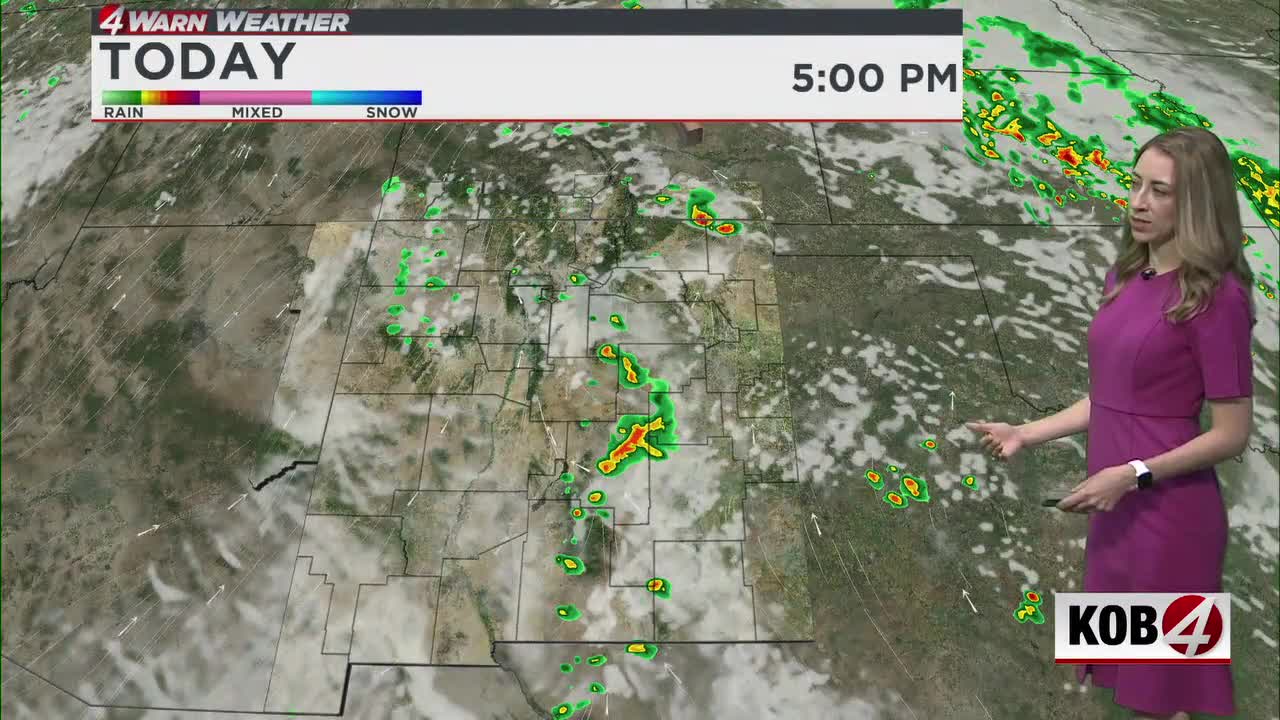
It’s late May, and the high desert’s been playing a cruel trick on everyone, showing glimpses of its future—maybe a prelude to some wild times ahead. This past week saw what some local observers considered almost that preview of monsoon season, a brief respite where very beneficial rains started taking shape over a good majority of the state. Lower rain chances on the board for central and western areas suggested a slightly uneven distribution, yet a welcome drink nonetheless. Now, the forecast is getting twitchy. We’re still technically just 17 days from today is the start of monsoon season, which usually holds its predictable grip from June 15 to Sept. 30. [QUOTE_PLACEHOLDER]
But predictability? That’s a relic these days. Because, for all the talk about beneficial showers, Meteorologist Amanda Goluszka’s Forecast for May 27, 2026 confirms that it won’t last forever. In fact, after this momentary coolness, the heat’s coming back, just as the arid land braces for another sweltering summer. This isn’t just about an inconvenience; it’s about the future of water, agriculture, and urban sustainability in places already living on the edge. You see, when the moisture finally does roll in, it often doesn’t come gently. And temperatures warming up but some showers — and storms may pop up Thursday in New Mexico.
It’s a peculiar irony that in places like Albuquerque, residents watch not just for the welcome rain, but for the potential destruction it brings. That’s because these monsoons aren’t just gentle drizzles; they’re increasingly violent downpours on parched earth, creating flash floods that carve canyons through neighborhoods and agricultural fields. This volatility impacts more than just immediate weather; it’s a slow-burning crisis for the global water table, reshaping geopolitical concerns in regions that rely on these seasonal shifts. And this isn’t just an American West problem; it’s a global reality. From Pakistan’s Indus River basin—where monsoon-driven floods displaced millions in 2022 and damaged two million acres of agricultural land, causing estimated losses of $30 billion—to the Nile’s vital flow, such extreme weather events stress infrastructure and social cohesion.
Globally, water scarcity is projected to affect over 50% of the world’s population by 2050, according to data compiled by the United Nations. New Mexico, with its high desert ecology, is a canary in the coal mine, mirroring challenges faced in vast swaths of South Asia and the broader Muslim world, where livelihoods depend entirely on the rhythm of seasonal rains. One good deluge might lift the stats for a few days, giving folks false hope, but it does little to replenish deep aquifers or protect against the ensuing rapid dry spells that characterize a hotter planet. Red flag warnings are in place for some other places in the state, signaling dangerous wildfire conditions that only exacerbate the problem once the heat settles in. It’s a cyclical nightmare: drought, fire, then unpredictable, destructive downpours. What’s beneficial in one moment often transforms into an emergency in the next.
We’re closing out May and getting into June with that creeping awareness of just how much hinges on these seasonal weather systems. This year, the Albuquerque metro could see a slight chance of rain this Thursday, a small hope for local residents, but the bigger picture remains. How do cities, states, and nations adapt when their weather patterns — the very bedrock of their existence — are being so fundamentally rewritten?
What This Means
The immediate political implication of this seemingly mundane weather report is a subtle, yet undeniable, strain on public infrastructure and governance. When monsoons become less predictable and more aggressive, it forces local administrations to reroute budgets, focusing on emergency preparedness over long-term development. This isn’t just about flood barriers; it’s about public trust eroding as governments struggle with challenges that seem insurmountable—and in fairness, many truly are. Economically, this translates to increased insurance costs, decreased agricultural output for small-scale farmers who can’t adapt, and ultimately, a depressed regional economy that struggles to attract new investment. You can’t plan for growth if your baseline climate is shifting under your feet every five years.
Geopolitically, the echoes of New Mexico’s struggle are heard loudly in arid or semi-arid nations across the globe. When we consider nations like Pakistan, Afghanistan, or Yemen—countries already facing political instability, conflict, and humanitarian crises—the impact of volatile monsoons or prolonged droughts isn’t just an environmental issue; it’s a national security threat. Water, or its scarcity, becomes a tool, a leverage point, and often, a trigger for internal displacement and regional conflict. The inability to secure basic resources due to erratic weather patterns directly feeds into radicalization, migration, and power struggles. What we’re seeing in Albuquerque—a town preparing for the known unknown of monsoon season—is a microcosm of a larger, global fight for resources and stability that hinges on how we manage, or mismanage, our warming world. This isn’t just about umbrellas — and rain boots; it’s about strategic national survival.