

Albuquerque’s Irony: Distillery’s Dream Derailed by a Vanishing Fence, Echoing Global Scarcity
POLICY WIRE — Albuquerque, New Mexico — It wasn’t the broken windows, the graffiti, or the petty pilfering Frank Holloway had braced himself for when expanding his Hollow Spirits Distillery to the...

POLICY WIRE — Albuquerque, New Mexico — It wasn’t the broken windows, the graffiti, or the petty pilfering Frank Holloway had braced himself for when expanding his Hollow Spirits Distillery to the city’s supposedly safer Northeast Heights. No, what actually materialized was far more audacious, and frankly, more bewildering: the wholesale disappearance of a brand-new, ten-thousand-dollar fence, spirited away in broad daylight by individuals masquerading as a legitimate work crew.
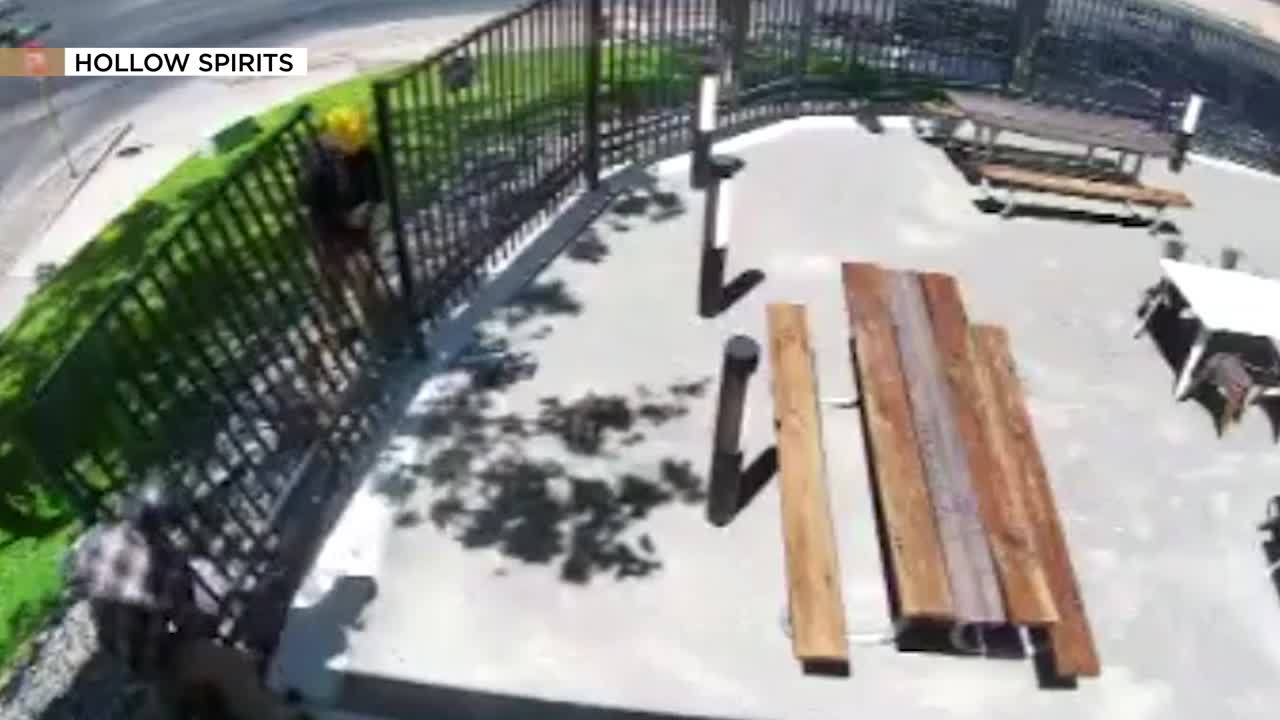
For eight years, Holloway’s downtown establishment had navigated the unpredictable currents of urban life—homelessness, minor incidents, the usual grit. He’d envisioned the Heights as a reprieve, a calmer pasture for his second venture. “We’re all like we’re moving up to the Heights, it’s going to be way better,” Holloway lamented, the irony now stinging. But instead, what transpired on April 30th was less a break-in and more an elaborate, hour-and-a-half-long industrial heist, meticulously captured on surveillance footage.
Two men, donning hard hats and an air of professional nonchalance, systematically dismantled approximately 100 yards of steel fencing from the nascent distillery property at Eubank and Spain. They sawed, they severed, they loaded section after heavy section onto a flatbed truck, vanishing as quickly as they’d appeared. “They knew what they were doing. They were professionals,” Holloway observed, still wrestling with the sheer audacity. Passersby, even neighbors, simply assumed it was routine construction work. Why wouldn’t they? It looked like work, not larceny.
And that’s the rub, isn’t it? The mundane transformation of valuable assets into liquid cash. This isn’t merely local mischief; it’s a micro-snapshot of a broader, more cynical global appetite for raw materials. The illicit trade in scrap metal, often fueled by demand from rapidly industrializing nations and re-export hubs, from Turkey to Pakistan’s burgeoning construction sectors, provides a ready, albeit shadowy, market for such hauls.
“I didn’t realize people steal fences,” Holloway candidly shot back during an interview, encapsulating the public’s incredulity. Yet, law enforcement officials know better. Bernalillo County Undersheriff Maria Chavez, commenting on the rising trend of such thefts, underscored the underlying economic calculus. “The average person may not think of fencing as something someone would steal, but offenders often do. Materials like metal fencing can be valuable for scrap, resale, or reuse, and that makes them attractive targets for quick-profit property crimes.” Indeed, according to law enforcement intelligence shared with local media, these illicit materials can fetch up to 80% of their market value on secondary markets, rendering the enterprise shockingly profitable for the perpetrators.
The financial wound is acute for Holloway, who now faces an unexpected $10,000 bill to re-secure a property he thought was already secure. “It’s gonna cost us $10,000 to get them $100. So, to tell you the truth, I was just more disappointed in the crime. It’s like, be better,” he articulated, the frustration palpable. Insurance might cover some of it, but the disruption, the breach of trust, that’s harder to quantify. It’s a setback, sure, but Holloway insists it won’t stop them. He just wants a fair shot.
Still, the incident illuminates a particular vulnerability for small businesses navigating a landscape where even their perimeter defenses aren’t sacrosanct. The Albuquerque Police Department is currently investigating, urging anyone with surveillance or dash cam footage from the timeframe to come forward. It’s a reminder that even in supposedly ‘better’ neighborhoods, the lines between legitimate enterprise and illicit opportunism are increasingly blurred, demanding a vigilance that goes beyond mere locks and cameras.
What This Means
At its core, this seemingly petty theft in Albuquerque mirrors a more consequential economic — and social shift. It’s not just about a fence; it’s about the erosion of perceived security, the ingenuity of opportunistic crime driven by fluctuating commodity prices, and the very real financial strain placed on small businesses. Such incidents, when widespread, can chill investment and entrepreneurship, particularly in sectors requiring significant upfront infrastructure. The rising value of scrap metal globally, partly driven by supply chain disruptions (see: Red Sea turmoil impacting shipping costs), makes once-unattractive targets suddenly appealing. the brazen, ‘professional’ nature of the theft suggests organized networks rather than spontaneous acts, posing a deeper challenge to urban policing and business resilience. For aspiring entrepreneurs, especially those in developing economies grappling with similar challenges of property crime and informal markets, Holloway’s plight serves as a stark, cautionary tale: don’t underestimate the resourcefulness of those seeking to exploit the value of your most basic assets.