

Hamilton in Albuquerque: Broadway’s Cultural Reach
Hamilton hits Albuquerque! Broadway star workshops democratize high art, boost local economy, and showcase cultural outreach beyond theater capitals.

POLICY WIRE — Washington D.C. — Imagine the relentless pulse of revolutionary fervor, the intricate verbal dexterity of history retold through hip-hop, now imagine it simmering beneath the vast, sun-drenched skies of New Mexico. That a cultural juggernaut like Hamilton, a production that’s reshaped Broadway and global stages alike, would set up temporary shop in Albuquerque isn’t just news; it’s a statement about accessibility, the unexpected itineraries of cultural export, and perhaps a subtle nod to America’s sprawling, often underappreciated interior.
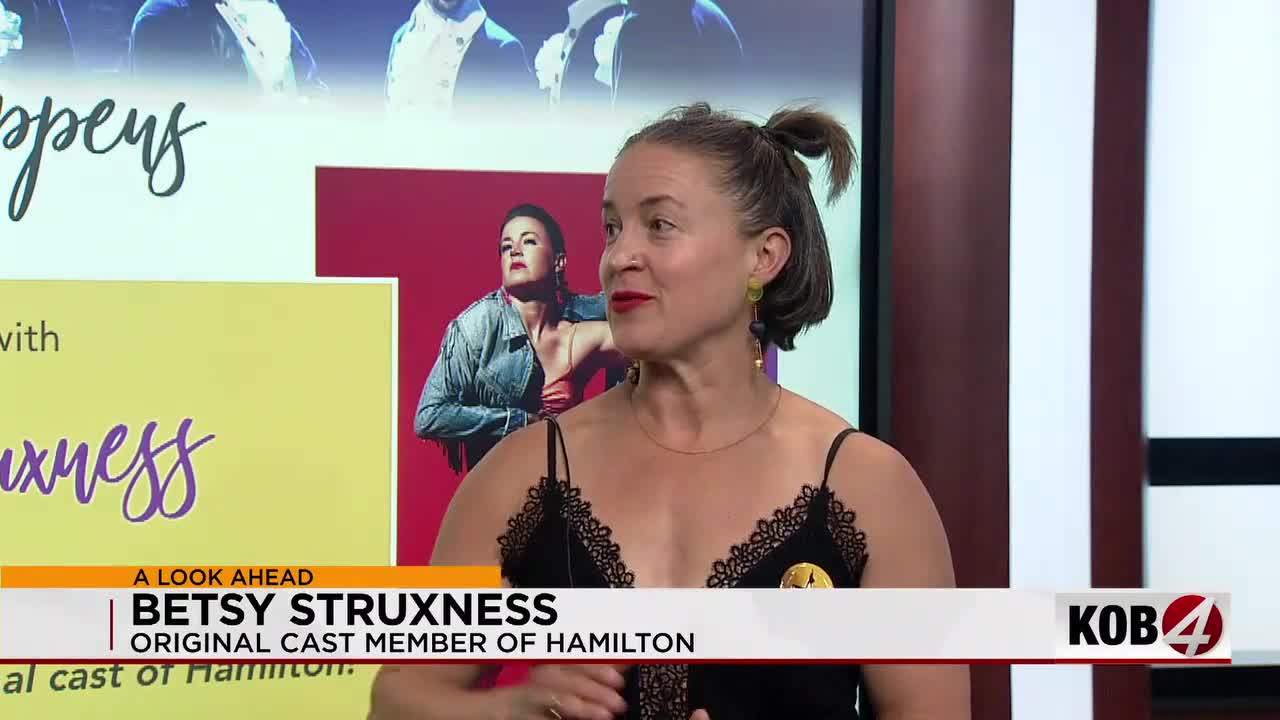
It’s here, amidst the arid landscapes and a populace more typically associated with turquoise and chili peppers, that an original ‘Hamilton’ cast member, Betsy Struxness, arrived to bridge the gap between million-dollar lights and local community theaters. Her presence isn’t for another long-run residency; it’s for a couple of days – a Thursday and Friday to be exact—at The Hiland Theater, featuring a free screening and “exclusive master classes and workshops.” This initiative, a collaborative effort by NDI New Mexico and Musical Theatre Southwest, seeks to democratize, if only for a fleeting moment, the sort of experience usually reserved for those with the price of a ticket and travel to theater capitals.
Broadway isn’t just a physical locale anymore, is it? Its influence radiates outwards, seeking purchase in smaller markets, proving that the appetite for meticulously crafted narratives about nation-building runs deeper than mere metropolitan centers. And why wouldn’t it? The tale of Alexander Hamilton, an outsider navigating a tumultuous political landscape to forge a new destiny, resonates. It always will—it has universal threads.
For two days, then, the desert winds might carry strains of American history, presented not just as passive entertainment but as an interactive offering. Attendees will literally have the chance to train like you’re a “Hamilton” cast member. The idea is to transform spectators into participants, if only briefly. It’s an interesting move; one that subtly reinforces the notion that high art needn’t be sequestered behind velvet ropes and prohibitively expensive tickets.
But the practicalities? This isn’t just about cultural largesse. These sorts of events, even when free, invariably generate a local economic bump. Attendees might grab dinner, buy coffee, maybe even extend their stay if they’re from out of town— Albuquerque’s modest tourism infrastructure sees an opportunity, however small. They’ve gotta capitalize on anything that pulls folks in. Think of the peripheral benefits, however fleeting.
This initiative comes as the U.S. endeavors, somewhat clumsily at times, to project its cultural identity abroad, an effort mirrored by many nations, including Pakistan. Just as Islamabad promotes its classical arts and contemporary film to foster a softer image, so too does this event in Albuquerque act as a micro-cosmic exercise in cultural diplomacy. Pakistan’s cultural footprint, often expressed through music and Sufi traditions, contends with geopolitical complexities, much like America’s Revolutionary narrative, for all its idealism, wrestled with its own contradictions. The power of narrative, of song, to transcend boundaries—it’s something that plays out globally, whether on a Lahore stage or an Albuquerque one.
The numbers don’t lie, after all. Global theatre productions, led by giants like Hamilton, represent an industry valued in the tens of billions. Broadway alone generated approximately $1.53 billion in revenue during its 2022-2023 season, according to Statista. And this New Mexico stop? It’s a tiny tributary, sure, but a connection nonetheless to that vast river of cultural commerce — and influence. This is a deliberate, shrewd outreach, cloaked in artistic generosity.
What This Means
This localized spectacle in Albuquerque isn’t just a quirky sidebar on the national cultural circuit; it’s a tangible data point in the ongoing economic and political discussion surrounding accessible art and cultural outreach. First, economically, free community events like this, while not direct revenue generators for the presenters, significantly bolster local businesses. Every coffee bought, every gas tank filled, represents a small but cumulatively significant stimulus for New Mexico’s economy—an economy that’s always eager for reasons for people to spend money. Small towns, cities, they thrive on this kind of visitor. It can impact everything from local diners to gift shops. There’s no big secret there, is there?
Second, politically, such initiatives function as soft power plays, both domestically — and internationally. They reinforce the idea that ‘American’ culture is diverse and geographically distributed, not solely concentrated in coastal elites. This particular flavor of American history—a multicultural, energetic take—can resonate surprisingly far afield. In a world where perceptions of American influence wax and wane, disseminating an idealized, if dramatized, version of its founding ideals provides a nuanced layer to its international messaging. It’s a quieter form of diplomacy, perhaps more potent than grand declarations, especially when trying to connect with communities in places like Karachi or Dhaka where narratives of independence and national identity are equally fervent. And it humanizes it, right? It makes it feel approachable.
Third, from a policy perspective, the emphasis on [QUOTE_PLACEHOLDER] and “exclusive master classes and workshops” points towards an understanding among cultural institutions that art needs to meet people where they’re, rather than expecting them to always come to a Broadway ticket counter. Public funding for the arts, though always a contentious topic, often champions exactly this type of grassroots engagement. It makes culture, or the pretense of it anyway, an actual part of civic life—something that’s become increasingly rare in the digital age. It’s an affirmation of local arts bodies as keepers of civic spirit. They’re still essential; can’t forget that.
As the curtains temporarily close on Albuquerque’s Hamilton Experience, the reverberations might just be felt longer than the initial applause. It reminds us how powerful art can be in uniting diverse audiences—a phenomenon not unlike the global spectacle of a World Cup, where nations temporarily forget old rivalries, however briefly, in shared awe. Even in a high-desert theater, the story of America’s fiery beginning can stoke conversations well beyond its run.