

World Cup: Manzambi’s Rise, AI’s New Narrative
Explore World Cup phenom Johan Manzambi's rise & the AI translating his story. Uncover how automation is reshaping global sports narratives & media's future.

POLICY WIRE — Vancouver, Canada — You might think the big news from a Round of 32 clash at the World Cup would be, well, the score. Or maybe the raw athletic prowess on display. But the fine print often tells a different story—or rather, raises a peculiar eyebrow. Forget for a moment the electrifying footwork; let’s talk about the byline.
It’s no small thing when a major sporting event generates its own ghost in the machine. Here we’re, witnessing the nascent legend of Johan Manzambi, the Swiss phenom, and right there, at the bottom of breathless dispatches, is the quiet admission: This article was translated into English by Artificial Intelligence. That little detail, usually brushed aside as a technicality, speaks volumes about how information, even the most visceral, human-driven kind like sports, is now disseminated. It isn’t just a football match; it’s a peek behind the curtain of our increasingly automated global narrative, translated and disseminated by algorithms often quicker than human editors. [QUOTE_PLACEHOLDER]
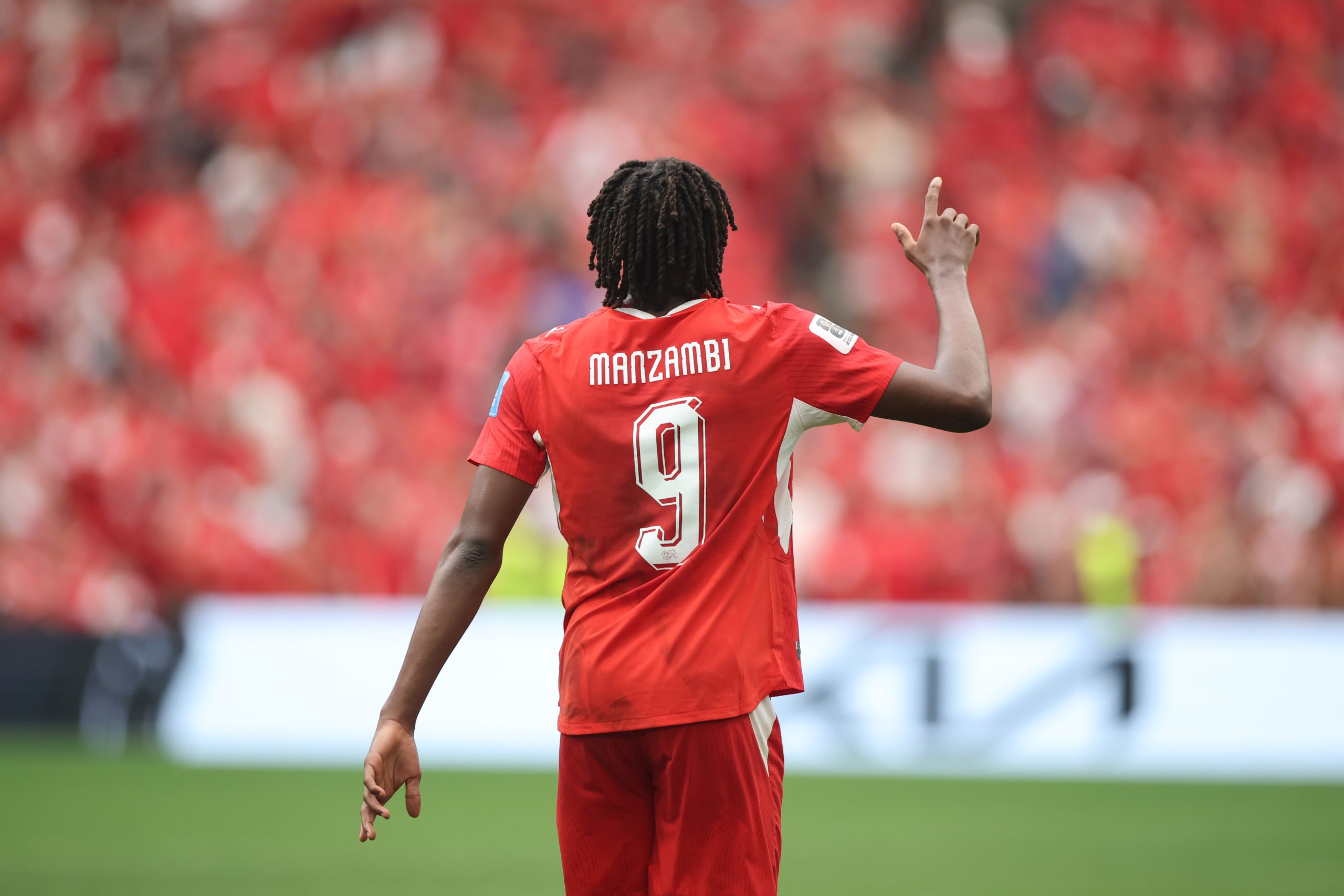
And Manzambi? Oh, he’s a story. The 20-year-old Swiss gem has set the tournament alight. Just imagine: you’re competing in the global spectacle, a fresh face, and already you’re bending the narrative to your will. On Friday morning, as Switzerland locked horns with Algeria, Vancouver felt the collective buzz of expectation. The Swiss opened the scoring quickly in the 10th minute thanks to a goal from Breel Embolo. The Stade Rennais striker was wonderfully set up by… Johan Manzambi, they said, a name that’s fast becoming synonymous with on-field wizardry. And frankly, this Freiburg attacking midfielder did what he’s been doing all tournament, producing a magnificent solo run to set up his teammate, making a fool of poor Aïssa Mandi in the process. It’s a cruel game, isn’t it?
It’s not just the assists, either. In this 2026 World Cup, a single player has racked up three goals and provided two assists before the group stages are even a distant memory. All of that at just 20 years old, — and this match against Algeria? It’s only his second match of the tournament where he’s actually started. But here’s the thing about burgeoning stardom: the brighter the light, the longer the shadow. And who’s polishing that star? Not always a flesh-and-blood observer anymore. It’s an intriguing tension: the raw, undeniable humanity of athletic excellence processed through the cool, dispassionate logic of an algorithm.
Because ultimately, a player like Manzambi represents something bigger. He’s not just a Swiss midfielder; he’s a symbol of youth, aspiration, and the almost unbelievable global reach of a sport that captivates billions, from Swiss alpine valleys to bustling markets in Lahore. A standout performance, particularly one originating from an Artificial Intelligence translated report, doesn’t just entertain; it dictates conversation across continents. The tournament’s breakout player award seems to be his for the taking! But the methods of its telling, that’s where the intrigue lies for those of us observing the deeper currents.
The burgeoning careers of young players, especially those with ties to nations like Switzerland, underscore a quiet shift in global football. These aren’t just athletic narratives; they’re economic ones. FIFA’s 2022 World Cup generated an eye-watering $7.5 billion in revenue, according to its official financial report, a sum reflecting the immense economic gravity of these tournaments. But how that wealth — and narrative is distributed, consumed, and even generated, is changing right before our very eyes.
What This Means
The juxtaposition of human brilliance—Manzambi’s sublime control, his almost balletic agility—and the algorithmic ghostwriter is more than an editorial curio; it hints at significant shifts in media consumption and geopolitics. For nations like Algeria, representing the North African and broader Muslim world on such a grand stage, football is never just a game. It’s a statement, a rallying point, an assertion of identity — and global presence. While they didn’t prevail in this specific contest, their presence in the Round of 32 validates the deep talent pools and fervent fanbases across the region.
Politically, the seamless translation of content—even by machines—facilitates a kind of soft diplomacy, allowing sporting narratives to transcend linguistic barriers instantaneously. This amplifies cultural exchange, but also standardizes it. The implications for policy makers? Understanding that public discourse, even seemingly trivial sports reporting, can be shaped by increasingly automated, non-human entities requires a re-evaluation of information flow and influence. It’s an odd new wrinkle, a very contemporary challenge to navigate. But it’s here now, isn’t it?
Economically, the commercial machine of global sports, powered by media rights — and sponsorship, is only set to grow. As algorithms become more adept at generating and disseminating content, the cost structures of global journalism—especially for wire services like ours—are bound to change. But quality and nuance, that human spark (or perhaps, a dash of subtle irony) will always, hopefully, maintain its premium. This particular intersection of technology — and athletic performance offers a snapshot of our times. For a more comprehensive look at the intricate web of sports, economy, and individual struggles, you might find The Price of Perfection: Ben Stokes’ Quiet Exit Exposes Sport’s Relentless Toll informative.
One wonders how long before the ‘AI translation’ disclaimer becomes a quaint artifact, a historical footnote in a world where machine-generated content is indistinguishable, if not preferred. Manzambi’s run might just be getting started, but the story of how his legend is told has already taken a fascinating turn. It’s a lot to consider while just watching a guy kick a ball, we know. But then, it always is.