


Iron Rails, Smoldering Futures: Historic Steam Battles New Mexico Blazes
POLICY WIRE — Chama, New Mexico — The romance of steam locomotives, with their soot-spewing stacks and a melancholic whistle cutting through canyon winds, often paints a picture of simpler times. But...

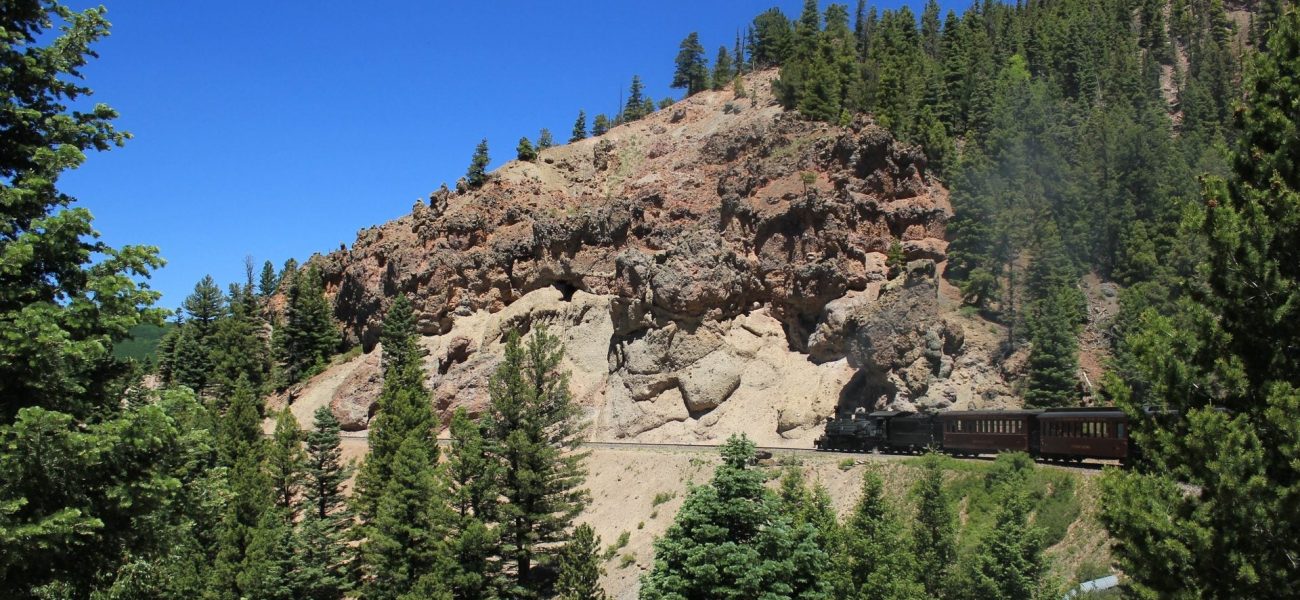
POLICY WIRE — Chama, New Mexico — The romance of steam locomotives, with their soot-spewing stacks and a melancholic whistle cutting through canyon winds, often paints a picture of simpler times. But in New Mexico, that sepia-toned fantasy just got a rather rude, fiery interruption. The historic Cumbres & Toltec Scenic Railroad, a relic cherished by many, found itself in a chokehold this week, not from competing modes of transport, but from the relentless, dry grip of an evolving climate and its very modern, very dangerous consequences.
It wasn’t a broken coupling or a failed boiler that brought this particular journey to a halt, but a rising dread you could practically taste in the parched air. Officials at the storied narrow-gauge line threw up the red signal, pulling the plug on all train rides for two critical days—June 30 and July 1. You see, the landscape is simply too combustible right now. There’s a blaze, aptly named the Beehive Fire, stirring up trouble just 15 miles west of Tres Piedras. And because a coal-fired engine, charming as it’s, tends to chuck out sparks along with nostalgia, continuing operations just wasn’t in the cards. It’s an inconvenient truth, this intersection of treasured heritage — and environmental peril. [QUOTE_PLACEHOLDER]
Passengers who’d booked their jaunt through time—folks probably picturing majestic mountain vistas and the chug-chug of yesteryear—they’ve been told to ring up the Reservations Office at 888-286-2737. They can rebook their trip, if they’re feeling lucky about future conditions, or, more likely, request a refund. For a small operation like this, those lost ticket sales—even for just a couple of days—they hit. Hard.
And let’s be real, this isn’t some rogue incident. This isn’t the first cancellation for the railroad this season, not by a long shot. The line, which generally kicks off its tourist season a little earlier, had already delayed its summer opening. Originally, May 23 was the target. But drought conditions and wildfire danger forced the Cumbres & Toltec Scenic Railroad Commission to pump the brakes, delaying the inaugural run until June 9. It’s a pretty stark illustration of how weather patterns, once fairly predictable, are now dictating even the most steadfast of schedules, making a mockery of old-school planning.
It’s fascinating, isn’t it? These living history museums—like the Cumbres & Toltec with its historic steam locomotives and those draw-card coal-powered engines—they offer a tangible link to a past many of us only read about. But in their very essence, their modus operandi, they’re becoming entangled in a very current crisis. It’s not just a North American problem, either. You look at railways in South Asia, particularly in a country like Pakistan, where historical steam engines, many inherited from the British Raj, are sometimes pressed into service for heritage tourism. Their operating regions, often arid or semi-arid, face increasing climate pressure too—extreme heatwaves, flash floods, or indeed, the risk of brush fires, especially along poorly maintained tracks. They don’t just carry passengers; they carry the weight of both history — and a precarious future. Pakistan, for instance, experienced an unprecedented heatwave in April 2022, with temperatures exceeding 49 degrees Celsius in some areas, according to reports from the Pakistan Meteorological Department. Conditions like that make any outdoor activity risky, let alone running a fire-spewing contraption through dry landscapes.
📄 POLICY WIRE WHITEPAPER PUBLISHED: PAKISTAN'S NATIONAL SECURITY POLICY PRIORITIES
👉 READ BY CLICKING HEREIt’s all about priorities, apparently. The railroad issued a statement, as these organizations always do, claiming, “The safety of our passengers, employees, volunteers, and the communities we serve is always our top priority.” Sure. And for now, that priority means the engines sit idle, cooling their heels—quite literally—while fires rage elsewhere. It’s a pragmatic concession to a world that’s decided to turn up the heat.
What This Means
The cancellations of a relatively niche tourist attraction in the American Southwest might seem a small ripple in the grand scheme. But let’s connect some dots here, because they’ve a habit of forming a pretty uncomfortable pattern. Economically, this means revenue losses for the Cumbres & Toltec, certainly. But it also means fewer tourist dollars circulating through Chama and surrounding small towns that cling to every visitor during peak season. Think local diners, souvenir shops, gas stations—the entire precarious ecosystem built around what, for some, is a fleeting, charming indulgence. Prolonged disruptions translate into palpable economic pain for these communities, forcing them to contemplate futures less dependent on romanticized history and more aligned with the brutal realities of climate change.
Politically, this little saga underscores a growing, uncomfortable tension between heritage preservation and climate adaptation. How do you maintain historical integrity—which, in this case, means running coal-fired steam engines—when the very act poses an environmental threat? It forces a re-evaluation of what ‘preservation’ truly entails. Is it about static recreation, or is it about adapting, innovating, even reimagining, to ensure longevity? Policy-makers in states like New Mexico, and indeed globally in climate-vulnerable regions with significant historical infrastructure, are confronting choices that pit sentiment against sustainability. Do we invest in electric conversions for historic engines? Or do we, in our dogged commitment to authenticity, inadvertently hasten the very demise of the environments that make such experiences special? It’s not a trivial debate. These localized stoppages, born of environmental necessity, aren’t just an inconvenience; they’re a stark preview of policy challenges that require far more than just a quick cancellation notice. They demand real thought, and maybe, just maybe, some imaginative adaptation—before the heat makes all our nostalgic plans go up in smoke.