

Albuquerque’s Bleeding Edge: Helping Hands Worsen Homeless Stats Amid Economic Headwinds
POLICY WIRE — Albuquerque, New Mexico — It’s a curious reward for trying to help. For having the audacity, even, to extend a hand. Because Albuquerque, a city in the high desert trying to...

POLICY WIRE — Albuquerque, New Mexico — It’s a curious reward for trying to help. For having the audacity, even, to extend a hand. Because Albuquerque, a city in the high desert trying to mitigate a sprawling homelessness crisis, now faces statistics that paint a bleak picture, partially because its neighboring towns aren’t bothering to offer squat.
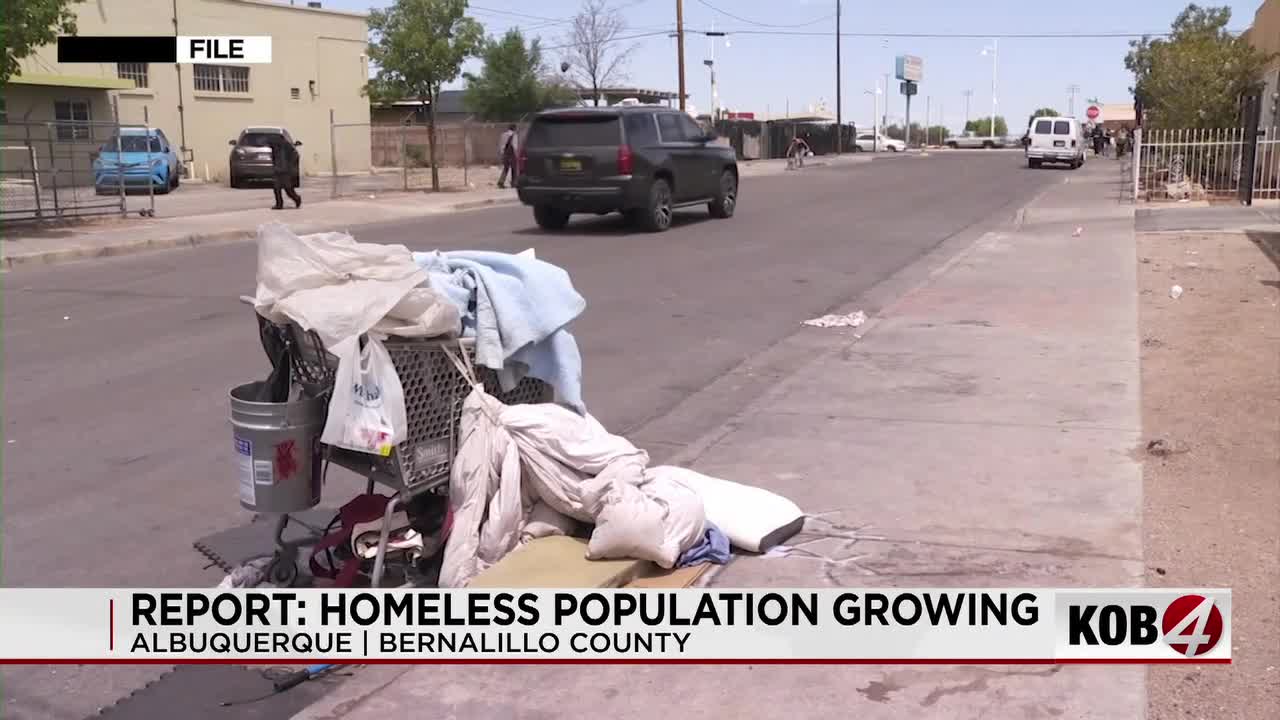
It’s an inconvenient truth for city officials, that commitment to social services — however strained — seems to inflate the very problem they’re battling on paper. A new state report didn’t mince words. It revealed New Mexico’s homeless population shot up sharply. But then again, doesn’t it always? We’re talking numbers, not just anecdotes, here. Bernalillo County saw its unhoused population double in two short years. And right in the middle of that, Albuquerque experienced an 83% surge. [QUOTE_PLACEHOLDER]
Those numbers aren’t just figures on a page; they’re lives lived on the streets, in cars, in parks. And it’s brutal. But city leaders, with a kind of weary resignation, quickly point to the usual culprits: housing costs spiraling out of control, relentless inflation, wages stubbornly stagnant, and gas prices that just won’t quit. Sound familiar?
The state-level picture is equally grim. More than 10,000 people were unhoused in 2022 across the state, primarily in Bernalillo, Dona Ana and Santa Fe counties, according to the same report (ALFC 051926 Item 7, Status of 2025-2026 Housing Appropriations and Albq Gateway Center). Think about that for a second. Ten thousand souls without a consistent roof, their existence a testament to systemic failures and a market unforgiving to the poor. The report even estimates that New Mexico needs up to 40,000 additional rental units for low-income residents, just to catch up. That’s a grand canyon-sized gap.
Jennifer McDonald, the city’s Health, Housing and Homelessness Department official—her title alone should indicate the magnitude of the problem she’s grappling with—is candid about the city’s unenviable position. Her team and their nonprofit allies are scrambling, expanding shelters, shoring up support services through places like the Gateway Center. They’re trying, you know? They really are. They’ve opened new programs, a men’s program just opened in October, and their respite program just celebrated its year anniversary. Small victories, certainly.
But the money, McDonald says, isn’t keeping pace. She observed, So the economic factors are increasing faster than the funding to go in and fix the problem is coming in. But I will tell you, the money that the city of Albuquerque has received has gone to programs. Some of them are very new. That’s the cold hard truth of it: the fire’s raging hotter and faster than the water hoses can pump. Because, honestly, the problems just don’t stop piling up.
Then there’s the peculiar magnet effect. McDonald points out that Albuquerque’s willingness to actually *do* something exacerbates its apparent crisis. So when you talk about the homeless numbers in Albuquerque, especially central New Mexico, our surrounding communities don’t have shelter or services, she stated plainly. The result? Albuquerque becomes the de facto haven. It means people converge, drawn by the faint glimmer of assistance. So it’s not always just new locals joining the ranks of the unhoused. And, of course, that’s not to blame the vulnerable. It’s just a reality. McDonald put it best: So Albuquerque bears the brunt of that burden by being the one that has the services for people to go to. And so I think that makes it a little bit harder for us. That’s some raw political economy right there. The compassionate city looks worse for its pains.
They’re not just throwing up their hands, though. McDonald revealed that the city’s linking arms with Bernalillo County, aiming to shepherd 1,000 people—a significant chunk, that—off the streets and into actual housing. A thousand lives changed, or at least a shot at stability. That’s something.
What This Means
This isn’t just about Albuquerque. It’s a snapshot of a deeper American malaise, where economic disparities, an underfunded social safety net, and the unforgiving calculus of real estate markets collide. Politically, this presents a nightmare: leaders are damned if they do (look at Albuquerque’s inflated numbers) and damned if they don’t (abandoning the most vulnerable). Economically, the cost of not housing people – healthcare, emergency services, policing – far outweighs the cost of providing stable housing. Yet, the upfront investment feels insurmountable to many local governments, caught between budget constraints and public expectation. The invisible tax of a growing unhoused population, it turns out, is paid by everyone, even if they don’t see the line item on their receipt.
And you see versions of this crisis play out globally, though perhaps with different textures. Think about the sprawling, unplanned settlements on the fringes of megacities like Karachi or Dhaka. They don’t track homelessness with the same methodology as New Mexico, sure. But the root causes—rapid urbanization, internal migration for economic opportunity, systemic lack of affordable housing, and often, an overwhelming tide of inflation that erodes purchasing power—are hauntingly familiar. In many Muslim-majority nations, the informal economy offers a semblance of livelihood, but offers zero safety nets against sudden economic shocks or health crises, pushing families into extreme vulnerability. Their cities too often bear a disproportionate burden of human need, just like Albuquerque. The specifics change, the human struggle, tragically, often doesn’t.