


Albuquerque Dodges Mass Eviction at Ailing RV Park, Slaps Owners with Heavy Fines
POLICY WIRE — Albuquerque, NM — For those perched on the brink of housing uncertainty, often with limited options, the prospect of a city sweep can feel like a storm hitting hard. But,...

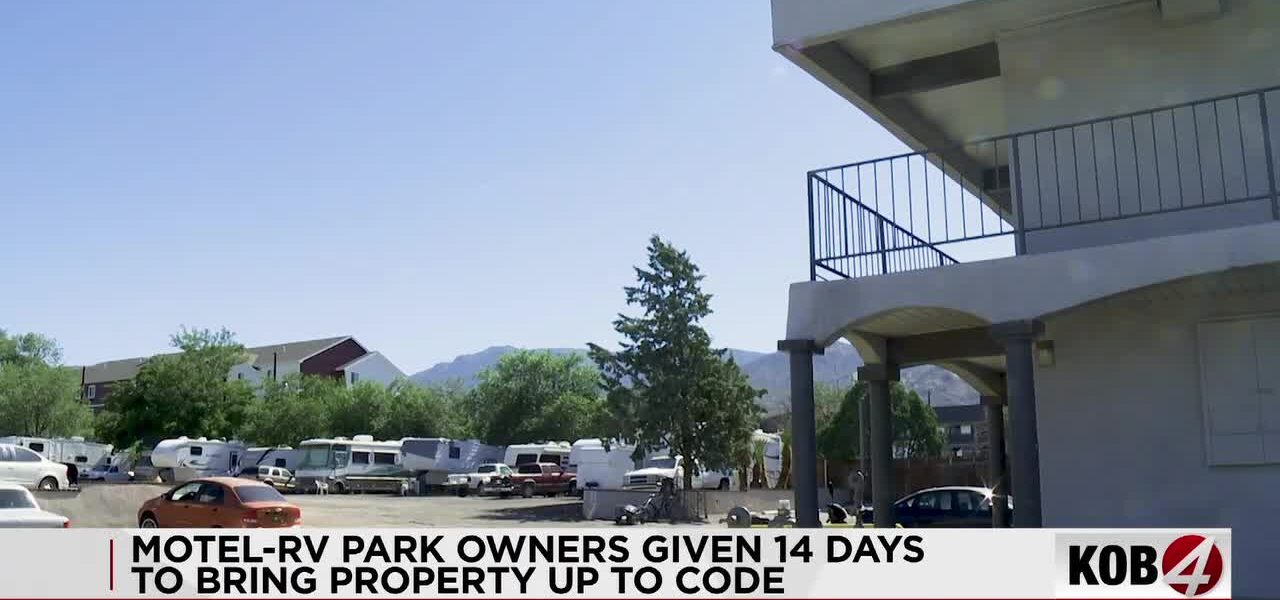
POLICY WIRE — Albuquerque, NM — For those perched on the brink of housing uncertainty, often with limited options, the prospect of a city sweep can feel like a storm hitting hard. But, hey, sometimes the storm swerves. Folks living at a particular RV park and extended stay motel on Central Avenue in Albuquerque, despite their dwellings rotting around them, can breathe a slight sigh of relief — at least for now. The city decided against a mass eviction, a move that often spares the most vulnerable from another catastrophic scramble.
It’s not all sunshine — and rainbows, though. The owners of the Extend a Suites & RV Park at 12999 Central Ave. — they’re not so lucky. They’re facing fines that could really hurt the wallet, and city officials gave them a tight deadline to clean up a real mess. The property’s been cited for nearly everything short of alien invasion: plumbing issues, electrical nightmares, unsafe conditions (duh), fire hazards, water damage, mold, and let’s not forget the bed bug and cockroach infestations. You can’t make this stuff up. For a grand total of $14,100, these aren’t minor infractions; they’re symptoms of prolonged neglect, and frankly, a bit of an insult to the residents paying rent.
Now, the proprietors have a mere two weeks. A fortnight. Fix it, or risk an extra $3,500 tacked on daily until things get sorted. That’s a strong incentive to get off your derrière. For residents like Brandy Hanlin, that reprieve — no immediate eviction — is big news. “We work. We pay our taxes. We pay our rent,” she explained to KOB 4. She made it plain: “It’s not that we’re squatting on the property. This is an RV park. This is a long-term RV park. A lot of us have been here for ten years.” Finding another place? Almost impossible, given the cost of moving — and a scarce supply of RV spots in the city.
But this isn’t some fresh crisis, a sudden shock. Nah. A city spokesperson acknowledged the property has been on their radar for several years. Albuquerque Press Secretary Dan Mayfield chimed in, saying, [QUOTE_PLACEHOLDER] Right. It always seems to be ‘just time’ after years of inaction. Code Enforcement Deputy Director Jeremy Keiser tried to clarify why this place wasn’t simply shuttered like others. He offered, [QUOTE_PLACEHOLDER] Comforting, isn’t it?
Beyond the grime and electrical spaghetti, there’s another inconvenient truth: the property might not even hold a valid permit for long-term RV stays, despite some folks calling it home for a decade. Imagine that — living somewhere for ten years, only to find out the paperwork’s all wrong. Mayfield was crystal clear on who bears the brunt there: [QUOTE_PLACEHOLDER] The burden, as always, falls where it falls. Plus, the cops have been kept quite busy here. According to city reports, law enforcement logged a significant 69 calls for service in just the past 12 months, dealing with everything from theft to drug use and fraud — a statistic published by KOB 4, painting a vivid picture of persistent disarray.
📄 POLICY WIRE WHITEPAPER PUBLISHED: PAKISTAN'S NATIONAL SECURITY POLICY PRIORITIES
👉 READ BY CLICKING HEREAnd so, Mayor Tim Keller — perhaps in an attempt to signal a stern yet reasonable approach — declared, [QUOTE_PLACEHOLDER] Good policy. Then he dropped the hammer: “If their responsibilities under the law are not met, we will hold negligent property owners accountable.” Fair enough, but many wonder why it takes so long for accountability to knock.
What This Means
This Albuquerque saga isn’t just about an eyesore RV park; it’s a micro-drama reflecting macro-level governance challenges. The city’s decision to fine rather than evict highlights a balancing act many urban centers — especially those with strained housing markets — face: address blatant violations without exacerbating homelessness. This policy choice carries distinct economic — and political implications. Economically, significant fines serve as a deterrent — and potentially fund future code enforcement. Politically, averting evictions often garners goodwill, reducing the public relations headaches associated with mass displacements. But letting issues fester for years, then only acting when things become dire, suggests a systemic lag in enforcement or perhaps a reluctance to intervene decisively until the sheer volume of complaints or danger becomes undeniable. This kind of bureaucratic inertia isn’t unique to American municipalities. Consider, for example, the struggles within sprawling, rapidly expanding cities across Pakistan or much of South Asia, where informal settlements or poorly regulated housing — often with similar plumbing, electrical, and sanitation woes — persist for years, if not decades. Regulatory frameworks exist, but enforcement often falters, leading to prolonged hazardous conditions that impact vulnerable populations the most. The cycle of deferred maintenance and reactive, rather than proactive, oversight is a universal problem — a complex brew of inadequate resources, political considerations, and plain old human procrastination. Ultimately, this local battle over basic living standards underscores a broader, enduring policy paradox that leaves communities at risk while official wheels turn ponderously. It makes you wonder how many other similar properties, perhaps off the official radar, are out there, quietly deteriorating.