


Pakistan Hosts Iranian Officials Amid Heightened US-Iran Tensions
POLICY WIRE — Islamabad, Pakistan — Pakistan has extended invitations to Iran’s parliament speaker and foreign minister for urgent consultations regarding the evolving regional situation, as...

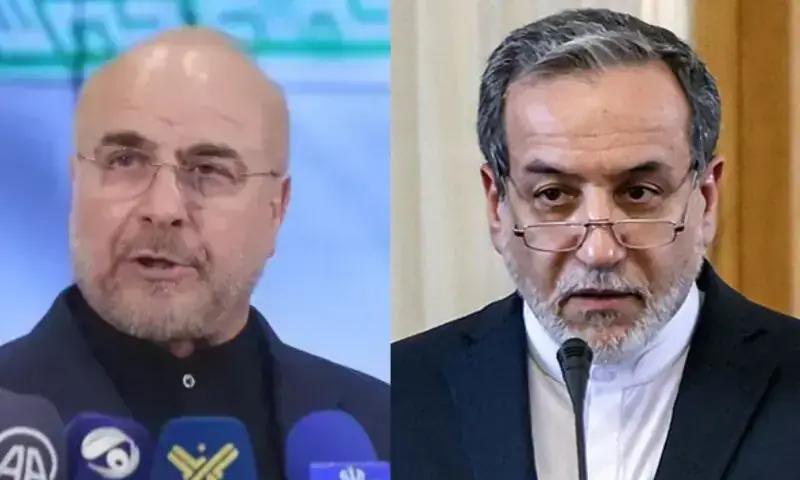
POLICY WIRE — Islamabad, Pakistan — Pakistan has extended invitations to Iran’s parliament speaker and foreign minister for urgent consultations regarding the evolving regional situation, as Tehran has identified Islamabad as its primary mediator with the United States. National Assembly Speaker Ayaz Sadiq extended an invitation to Mohammad Bagher Ghalibaf, Iran’s chief negotiator with Washington and parliament speaker. Meanwhile, Foreign Minister Ishaq Dar invited his Iranian counterpart, Seyyed Abbas Araghchi. The invitations were conveyed in Tehran late Monday night following a discussion between Dar — and Araghchi. “They exchanged views on regional and international developments, including the deteriorating situation in Occupied East Jerusalem,” the Foreign Office stated. The exact travel dates for Ghalibaf and Araghchi to Pakistan remain uncertain, though a diplomatic source indicated that both officials have been urged to visit as soon as possible for discussions on regional and international developments. Araghchi was in Iraq on Monday for the observance of Arbaeen.
The invitations follow US President Donald Trump’s announcement that he had canceled imminent strikes against Iran, citing urgings from allies who indicated that a deal seemed imminent. Saudi Crown Prince Mohammed bin Salman, along with leaders from the UAE and Qatar, reportedly persuaded Trump to call off the planned military action. Iran has been engaged in talks with Oman regarding the future of the Strait of Hormuz. Iranian authorities claim they’re close to an agreement but haven’t specified whether the waterway will reopen or remain closed.
Pakistan, which has been relatively subdued in its mediation efforts compared to previous initiatives that led to the Islamabad MoU, has remained engaged through back channels with Iran. Alongside Qatar, Pakistan proposed a ceasefire plan during a nearly 13-day period of heightened tensions. Iran’s foreign ministry reiterated on Monday that Pakistan is the main mediator in discussions between Iran — and the US. Spokesman Esmail Baqaei stated: “The mediator in the discussions related to Iran and the US is Pakistan, and Qatar also helps in cases where necessary. To say that we have added a new mediator to the existing mediators is not, in the strict sense of the word, the case.”
Meanwhile, President Trump accused Iran’s leadership of being “unbelievably duplicitous” after Tehran denied that any negotiations were underway with the US. The exchange renewed threats from Trump, who warned Iran faced “decapitation” and said he would maintain military pressure until there was a “deal, or total surrender.” “I think we’re going to maybe get something, but I want to give them every last chance before decapitation,” Trump said, reiterating his threat to launch a major attack on Iran. This war of words is reminiscent of the five-month conflict between Washington — and Tehran. The president, who indicated on Sunday that renewed talks would begin “tomorrow afternoon” without specifying a venue or participants, added that the US Navy maintains complete control over the Strait of Hormuz. “Nothing gets through to Iran, unless we want it to, and nothing will get through, unless a deal, or total surrender, is accomplished,” he said.
Reporting by Policy-Wire (PW)