


AI Truce in Tinseltown: Actors Cede Ground, or Just Buy Time?
POLICY WIRE — Los Angeles, United States — For a town obsessed with spectacle, Hollywood sure can make peace feel awfully quiet. They’ve done it now. The grand capitulation, or maybe just a sensible...

POLICY WIRE — Los Angeles, United States — For a town obsessed with spectacle, Hollywood sure can make peace feel awfully quiet. They’ve done it now. The grand capitulation, or maybe just a sensible retreat, from the picket lines is finally codified. It’s done, or so they’d like us to believe, this battle between flesh-and-blood performers and the phantom menace of artificial intelligence.
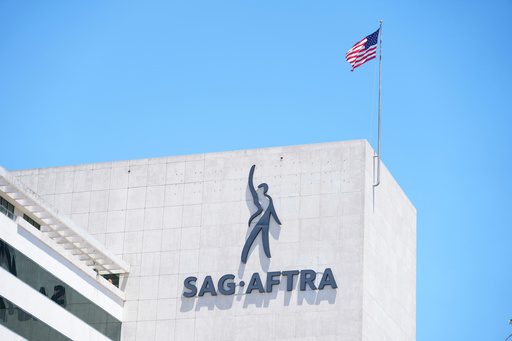
It’s barely a month after those marathon negotiating sessions wrapped. Now, the Screen Actors Guild-American Federation of Television and Radio Artists, or SAG-AFTRA for those keeping score, officially inked its new four-year pact with the industry’s giants. They’d negotiated a deal they say provides protections against synthetic actors created by artificial intelligence. But honestly, who actually believes any industry titan, particularly in tech-hungry California, really wants to *minimize* anything that cuts costs or expands perceived profit margins?
The vote itself? It didn’t exactly break news. Nobody sane thought the membership, still nursing wounds from last year’s bruising dual strikes—the one with the writers, and then their own—would reject something, anything, that offered stability. It’s not like another walkout seemed to be in the cards during drama-free negotiations, was it? That mess seriously shook the entertainment industry. So yes, it was ratified overwhelmingly. But get this: only about 19% of eligible voters casting ballots actually bothered to weigh in, according to reporting by The Associated Press. Nineteen percent. That’s not a thunderous mandate, it’s more like a weary shrug.
Sean Astin, bless his earnest heart, the president of SAG-AFTRA, said in a statement that the contract delivers meaningful gains in compensation, strengthens protections around artificial intelligence and digital identity, reinforces the long-term security of members’ benefit plans and recognizes the realities of how performers work today. Sounds grand, doesn’t it? Like a shiny, bow-tied package hiding a ticking clock.
Because the real battle isn’t over paychecks—it’s over existence. The contract’s boldest claim, they tell us, is its guardrails around AI. Apparently, AI performers must bring significant additional value over a live actor or a digital capture of them if producers are to use them. Union leaders say this — and other provisions will keep use of AI actors minimal. And I bet the Alliance of Motion Picture and Television Producers—that shadowy coalition of studios, streamers, and production companies—congratulated the union on the ratification with barely concealed glee. They even put out a statement: SAG-AFTRA’s leadership brought a genuine commitment to partnership, and together with the WGA agreement, these deals demonstrate what’s possible when the industry works toward practical solutions. It’s a beautifully constructed paragraph of corporatespeak, a nod to collaboration as they probably just cemented their future ability to bypass human talent when it suits them.
And let’s be real, a four-year term for this deal, like the Writers Guild of America’s contract that landed in April, just kicks the can down the road. They needed that extra layer of labor stability in the industry. But four years? In tech-time, that’s an eternity. The AI landscape will be utterly unrecognizable by 2028. This isn’t just about actors anymore. Think about the Directors Guild of America, who are in talks right now. Their contract’s up June 30. Every corner of this industry’s grappling with this phantom.
What This Means
This SAG-AFTRA deal, despite the high-fives and mutual back-patting, is less a victory and more a strategic pause in the inevitable march of automation. Politically, it signals a begrudging acceptance that AI isn’t just coming; it’s already here, demanding a seat at the table, or rather, on the server farm. Unions—once formidable bastions of worker power—are now reduced to negotiating for humanity’s continued relevance in roles machines can emulate. It’s a tricky balance between securing immediate economic benefits for members and inadvertently legitimizing technologies that might eventually render those members obsolete. This isn’t just a Hollywood problem; it’s a global blueprint, or perhaps a cautionary tale.
Economically, expect this to create a two-tiered system. Studios will exploit the “significant additional value” clause for every cent it’s worth, pushing the boundaries of what constitutes ‘human’ and what’s merely ‘human-adjacent’ for a fraction of the cost. Budgets for high-profile projects will continue to inflate, while the vast majority of secondary roles, extras, and even international dubbing might increasingly fall prey to algorithms. This sets a dangerous precedent for creative industries worldwide. For example, in a country like Pakistan, where the film and television industry is a major employer, albeit on a different scale than Hollywood, these sorts of concessions by major unions in the West can influence local labor discussions and potentially accelerate the adoption of AI-driven tools without adequate local protections. Pakistan’s vibrant media landscape, from Lollywood to its prolific drama serials, employs thousands. But if global production houses and streaming giants increasingly opt for digitally synthesized voices or bodies developed from a common AI pool, the unique cultural nuances and the sheer employment numbers in creative fields across the Muslim world could face considerable pressure. Because let’s face it, they’ve often been reliant on foreign content — and tech to varying degrees.
So, is this a happy ending? Hardly. It’s an intermission, a fleeting calm before the next act. The unions bought themselves some time. The studios secured their operational flexibility. And somewhere, an algorithm hums, waiting patiently for its cue. The human element, that undefinable spark of real performance, just became a commodity with an expiry date, and frankly, that’s unsettling. Remember when we said that Hollywood changes slowly? Well, those days are long gone. It’s morphing in real-time, sometimes with hardly anyone noticing until it’s too late. These agreements? They’re really just stop-gap measures. They’re delaying the inevitable. This isn’t a peace treaty; it’s a ceasefire, a temporary one at that. It doesn’t actually answer the bigger question of what human artistry means in an AI-dominated world. And it never really will, not with these kind of patch-up deals.